UP government orders hospital pharmacies to display purchase, sale prices of medicines from Nov 1
Source Entity
Maulshree Seth
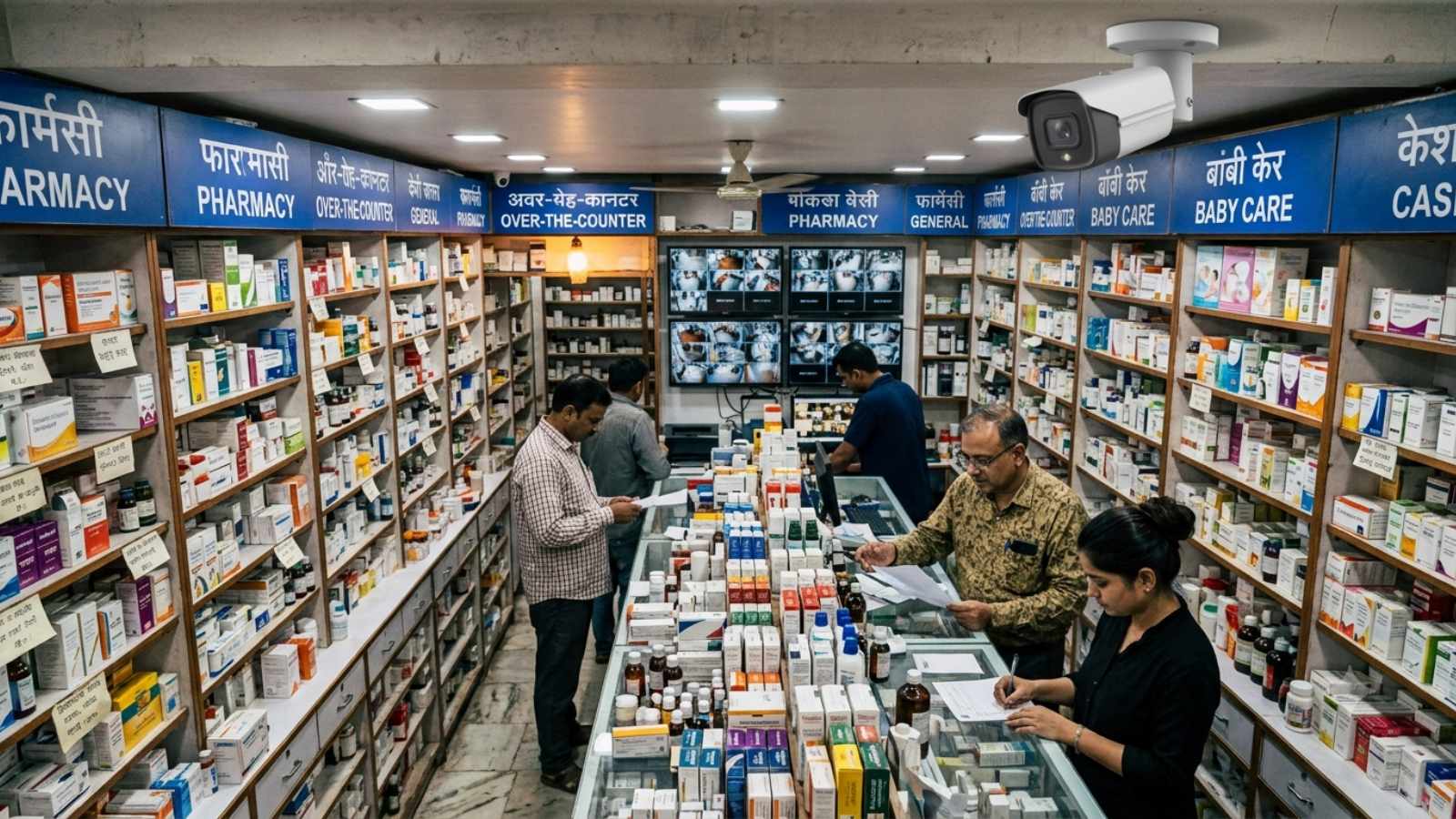
The Uttar Pradesh government has mandated that hospital pharmacies display both purchase and sale prices of medicines starting November 1. This initiative aims to increase transparency in the drug supply chain and ensure institutional procurement benefits reach patients.
Enhancing Pharmaceutical Transparency in Uttar Pradesh
The Uttar Pradesh Food Safety and Drug Administration (UPFSDA) has introduced a significant regulatory shift, mandating that all hospital-based pharmacies across the state display both the actual procurement costs and the final sale prices of medicines. Effective November 1, this directive marks a transformative effort to curb arbitrary pricing and foster a more equitable healthcare ecosystem. By forcing visibility into the margins between acquisition and retail, the government is attempting to tackle long-standing concerns regarding the affordability of life-saving drugs.
Addressing the Supply Chain Gap
At the core of this policy is the objective of dismantling opaque pricing structures that have historically burdened patients. The department explicitly noted that the initiative transcends simple profit-margin monitoring; it is fundamentally about systemic transparency. By requiring hospitals to reveal the benefits of institutional procurement, the state government ensures that the economies of scale achieved through bulk purchasing are passed directly to the end-user rather than being absorbed as excessive retail markups.
Digital Accountability and Public Access
Beyond physical price tags, the UPFSDA is pushing for a digital overhaul of the retail pharmacy sector. Pharmacies are now required to maintain public-facing websites that disclose vital operational details, including license numbers, the identity of the appointed pharmacist, and the specifics of the licensed premises. These sites must be updated on a weekly basis, creating a real-time ledger of compliance and inventory availability that allows regulators and citizens to audit operations with unprecedented ease.
Broader Implications for Healthcare Governance
This mandate reflects a growing trend in Indian public health policy toward digitizing and democratizing consumer information. By standardizing the disclosure of stock details and professional credentials, the state is effectively reducing the risk of counterfeit drug distribution and unauthorized sales. These measures serve as a deterrent against malpractice, ensuring that patients receive medicines from legitimate, licensed sources at fair, verifiable costs.
Future Trends and Sustainability
Looking ahead, this policy could serve as a blueprint for other Indian states seeking to regulate the private healthcare retail sector. The success of this initiative will likely depend on the government's ability to enforce these digital reporting standards consistently. If implemented effectively, this move could lead to a more stable pharmaceutical market where price gouging becomes increasingly difficult, ultimately strengthening the trust between patients and medical institutions.
Conclusion
In summary, the UP government’s directive is a proactive step toward patient empowerment and market discipline. By leveraging transparency as a regulatory tool, the UPFSDA is not only addressing immediate cost concerns but is also building a more robust, accountable infrastructure for the state's pharmaceutical landscape. As the November 1 deadline approaches, the focus will shift toward monitoring institutional compliance and measuring the tangible impact on patient out-of-pocket expenditure.