American Airlines Group (AAL) Chases the High-Spend Flyer — But Can Margins Follow?
Source Entity
Yahoo Finance
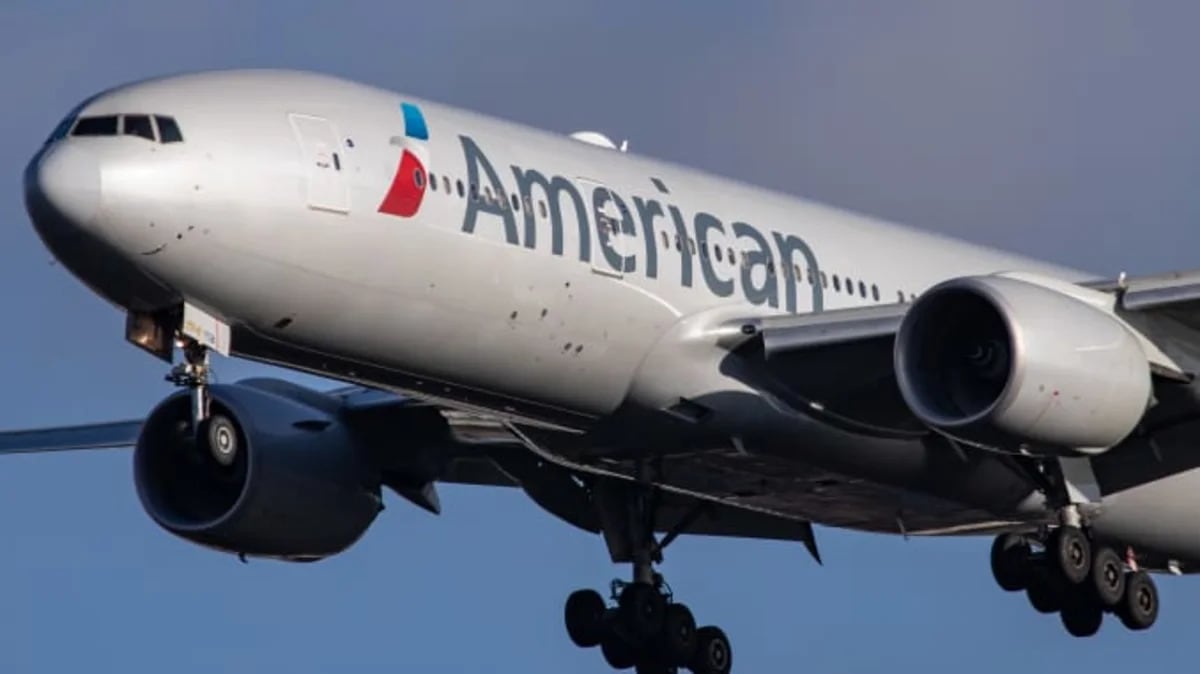
Major U.S. legacy carriers are aggressively pivoting toward premium-heavy cabin configurations to drive revenue growth. Delta Air Lines is already seeing strong results from this strategy, while American Airlines is retrofitting its fleet to capture higher-spending travelers.
The Strategic Pivot: U.S. Airlines Bet on Premium Travel
The aviation industry is undergoing a structural shift as legacy carriers prioritize high-margin premium offerings over volume-based growth. Delta Air Lines (DAL) and American Airlines (AAL) are at the forefront of this trend, reconfiguring their fleets and business models to capture a larger share of the high-spending traveler market. This pivot is not merely a service upgrade; it is a calculated financial maneuver designed to maximize yield per seat-mile in an era of volatile operational costs.
Delta’s Financial Resilience
Delta Air Lines has demonstrated that this premium-focused strategy is already yielding significant dividends. By reporting that 61% of its adjusted operating revenue stems from premium products, Delta has effectively insulated its balance sheet. With a 17% year-over-year increase in premium revenue and an adjusted EPS of $1.56, the company is successfully offsetting the systemic risks posed by multi-billion-dollar fuel price fluctuations. The management’s decision to uphold a 20% earnings growth projection for FY26 signals a high level of confidence in the sustainability of this premium-first model.
American Airlines and the Retrofit Wave
American Airlines is actively following this trajectory, as evidenced by the September 2 inaugural flight of its retrofitted Boeing 777-300ER. By increasing premium seating capacity from 116 to 144 seats—representing 44% of the total aircraft capacity—American is betting that the demand for Flagship Suite business-class and Premium Economy seating will outpace the need for traditional first-class cabins. This transition reflects a broader industry belief that the modern traveler prioritizes comfort and workspace over the legacy luxury of first-class, provided the price point remains attractive to corporate and premium leisure markets.
Economic Implications and Market Dynamics
The shift toward premium cabins is a response to the changing landscape of business and luxury travel post-pandemic. As legacy carriers refine their cabin layouts, they are essentially optimizing their inventory to cater to passengers willing to pay a premium for enhanced amenities. This move helps airlines maintain pricing power, even when economic conditions tighten. By reducing the footprint of the main cabin in favor of higher-yield seating, these companies are attempting to improve their operating margins and cash flow stability, as evidenced by Delta’s $1.7 billion in adjusted operating cash flows.
Challenges and Future Trends
Despite the optimism, the strategy is not without its risks. The heavy reliance on premium demand assumes that the high-spend segment will remain resilient regardless of macroeconomic headwinds. Furthermore, the massive capital expenditure required to retrofit fleets—like American’s 777-300ER program—demands long-term execution excellence. If consumer sentiment shifts or corporate travel budgets contract, the reduced capacity in the main cabin could result in lower load factors that hurt overall profitability.
Conclusion
In conclusion, the aviation sector is currently defined by a race to capture the premium traveler. Delta Air Lines has established a successful blueprint by leveraging diversified revenue streams, while American Airlines is playing catch-up by retooling its hardware. The long-term success of these initiatives will depend on whether the airlines can maintain consistent demand for premium seating while managing the inflationary pressures of fuel and labor costs. Investors and industry analysts should monitor whether this trend leads to sustainable margin expansion or if it creates a vulnerability to market cycles.