US court scraps Trump rule setting fixed stays for foreign students, exchange visitors
Source Entity
Latest News: Todays Latest News Headlines from India & World | Hindustan Times
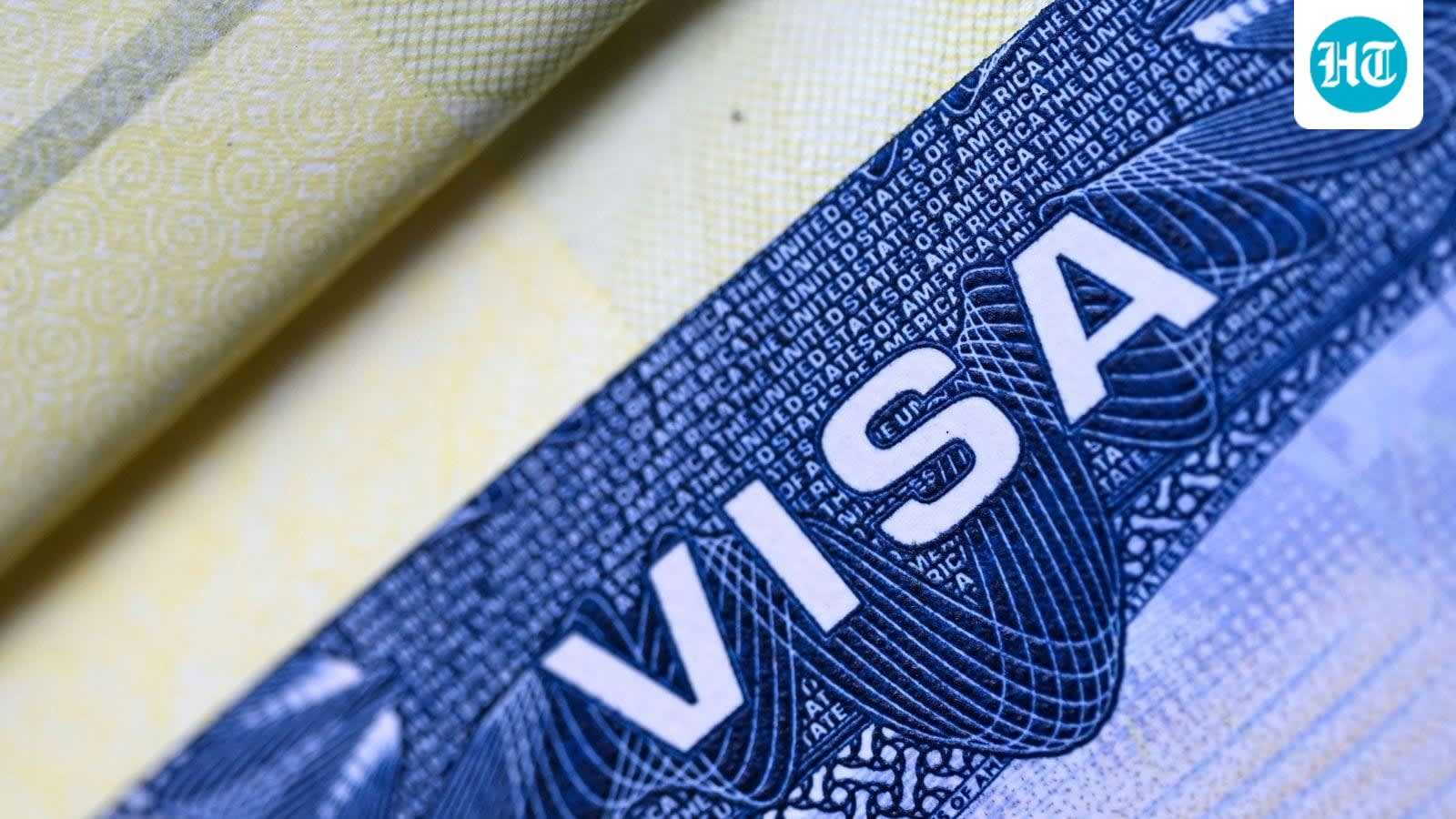
A US federal judge has overturned a Trump-era regulation that would have replaced the 'duration-of-status' system for international students and visitors with fixed admission periods. The court ruled the DHS exceeded its authority and acted arbitrarily in attempting to impose these stricter visa limitations.
Judicial Reversal of Visa Policy
A federal court in Massachusetts has officially struck down a controversial Trump administration regulation that sought to fundamentally alter how international students, exchange visitors, and foreign media representatives are admitted to the United States. By vacating this rule, U.S. District Judge Dennis Saylor has effectively restored the long-standing 'duration-of-status' system, providing a significant legal victory for a coalition of education organizations and labor unions that challenged the policy.
The Legal Basis for the Ruling
The court’s decision centered on the Administrative Procedure Act (APA), a cornerstone of U.S. law that governs how federal agencies develop and issue regulations. Judge Saylor determined that the Department of Homeland Security (DHS) had exceeded its statutory authority when it attempted to replace the flexible duration-of-status model with rigid, fixed periods of admission. The judge explicitly labeled the regulation as 'arbitrary and capricious,' noting that the agency failed to provide a reasoned explanation or sufficient justification for such a drastic shift in immigration policy.
Implications for Academic and Exchange Programs
The 'duration-of-status' system has historically allowed international students (F-1 visa holders) and exchange visitors (J-1 visa holders) to remain in the U.S. for the entirety of their academic or training programs, provided they maintain their legal status. The Trump administration’s proposed rule would have forced these individuals to apply for extensions at regular, fixed intervals, creating significant administrative burdens and potential uncertainty for universities and research institutions that rely heavily on global talent.
Broader Policy Context
This regulation was part of a wider effort by the previous administration to impose stricter oversight on foreign nationals residing in the United States. By attempting to limit the duration of stay, the DHS aimed to increase monitoring, yet the coalition of plaintiffs argued that such measures would have deterred international enrollment and hindered global academic collaboration. The court’s intervention underscores the limits of executive branch power when modifying long-standing immigration frameworks without clear congressional backing.
Looking Ahead
The restoration of the status quo provides stability for current and future international students who were concerned about the potential for arbitrary visa expirations. While this ruling settles a specific legal challenge, it highlights the ongoing tension between national security-focused immigration policies and the economic and educational benefits of maintaining an open environment for international talent. Future policy changes in this domain will likely remain subject to intense judicial scrutiny under the standards of the APA, ensuring that any modifications must be grounded in empirical necessity rather than administrative preference.
Verification Required?