Stock market today: Dow, S&P 500, Nasdaq futures slip as US and Iran exchange fire, oil jumps
Source Entity
Yahoo Finance
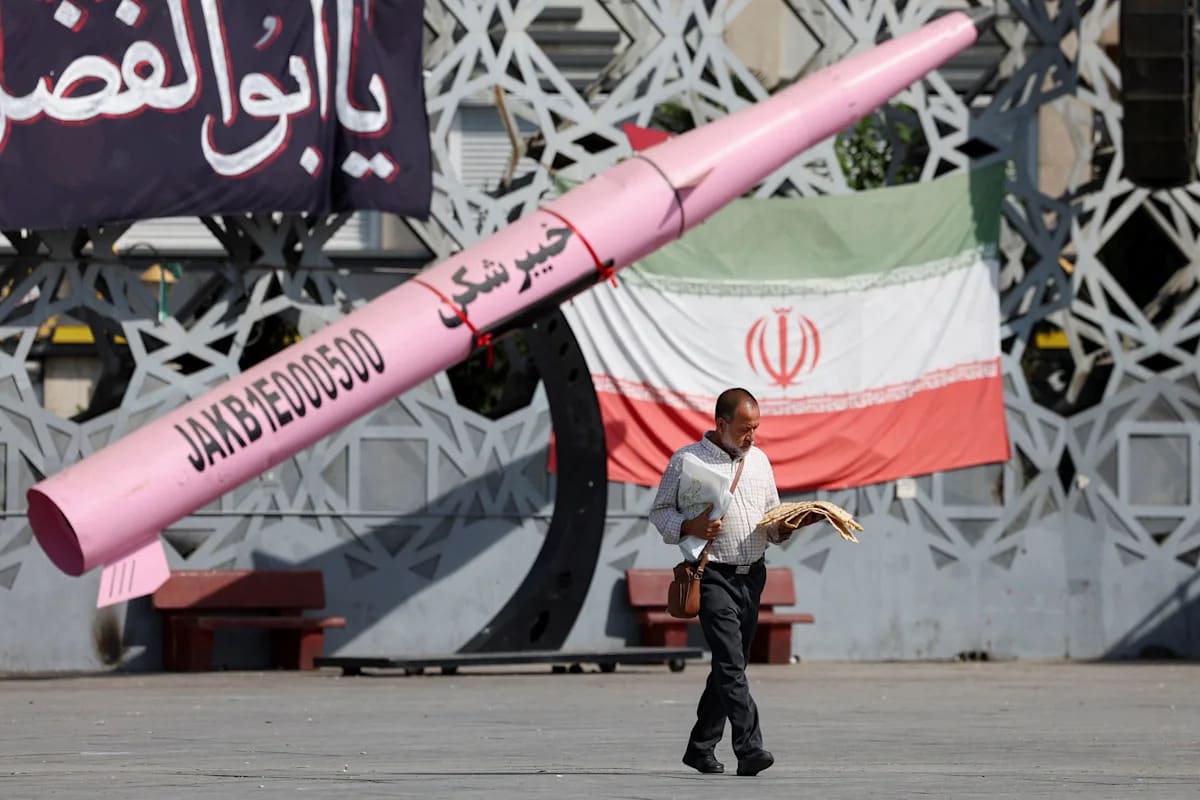
Stock futures declined ahead of a busy week after the US and Iran escalated fighting in the Middle East, sending oil prices higher, and AI stocks were under pressure. Contracts on the Dow Jones Indus...
Geopolitical Instability and Market Volatility: The US-Iran Conflict
The global financial landscape is currently reacting to a sharp escalation in tensions between the United States and Iran. The exchange of fire between these two powers has introduced a significant layer of geopolitical risk, manifesting immediately in the futures markets. As investors grapple with the unpredictability of the conflict, a 'risk-off' sentiment has permeated the trading floor, leading to a synchronized slip in the Dow Jones Industrial Average, S&P 500, and Nasdaq futures. This reaction underscores the fragile nature of current market valuations, which remain highly sensitive to disruptions in global security.
The Energy Surge and the 'Risk Premium'
One of the most immediate consequences of the US-Iran escalation is the spike in oil prices. The Middle East remains the heart of global energy production, and any direct military engagement between a superpower and a regional influential state like Iran raises the specter of supply chain disruptions. Specifically, the threat to shipping lanes in the Strait of Hormuz—a critical chokepoint for global oil transit—often leads to the imposition of a 'geopolitical risk premium' on crude oil. When oil prices jump, it creates a ripple effect across the economy, increasing transportation costs and fueling inflationary pressures, which in turn makes investors wary of equities.
Equity Markets and the Flight to Safety
The decline in the Dow, S&P 500, and Nasdaq futures reflects a broader movement toward safe-haven assets. In times of war or heightened conflict, institutional investors typically rotate their portfolios away from volatile equities and toward assets like gold, US Treasuries, or the Swiss Franc. The broad-based dip across the three major indices suggests that the fear is not limited to a specific sector but is a general apprehension regarding global stability. The futures market, acting as a leading indicator, suggests that the opening bell for the physical market may be met with significant selling pressure as traders hedge their positions against further escalation.
Pressure on AI Stocks and High-Growth Tech
Interestingly, the reports highlight that AI stocks are under particular pressure. While artificial intelligence has been the primary driver of market gains over the past year, these high-growth stocks are exceptionally sensitive to macroeconomic volatility and interest rate expectations. If the conflict in the Middle East sustains high oil prices, it could keep inflation elevated, potentially forcing central banks to maintain higher interest rates for longer. Since the valuation of AI and tech companies is heavily dependent on future discounted cash flows, any increase in the cost of capital or overall market instability leads to a rapid correction in these overextended valuations.
Historical Context and Future Outlook
Historically, markets have a pattern of reacting violently to the onset of Middle Eastern conflicts, followed by a period of stabilization unless the conflict expands into a full-scale regional war. Previous skirmishes between the US and Iran have seen similar patterns: an initial spike in energy costs and a dip in equities, followed by a recovery once diplomatic channels open or the conflict reaches a stalemate. However, the current environment is different due to the extreme concentration of market gains in a few AI-driven tech giants, making the market more susceptible to a 'bubble-burst' scenario if a significant external shock occurs.
Summary
In conclusion, the current market dip is a direct manifestation of the intersection between geopolitics and macroeconomics. The exchange of fire between the US and Iran has created a dual shock: driving up the cost of energy and triggering a retreat from high-risk assets, including the AI sector. While the markets may stabilize if tensions ease, the event serves as a stark reminder that geopolitical stability is a prerequisite for sustained equity growth. Investors should expect continued volatility as the situation in the Middle East unfolds.