The return of measles in America
Source Entity
Latest News: Todays Latest News Headlines from India & World | Hindustan Times
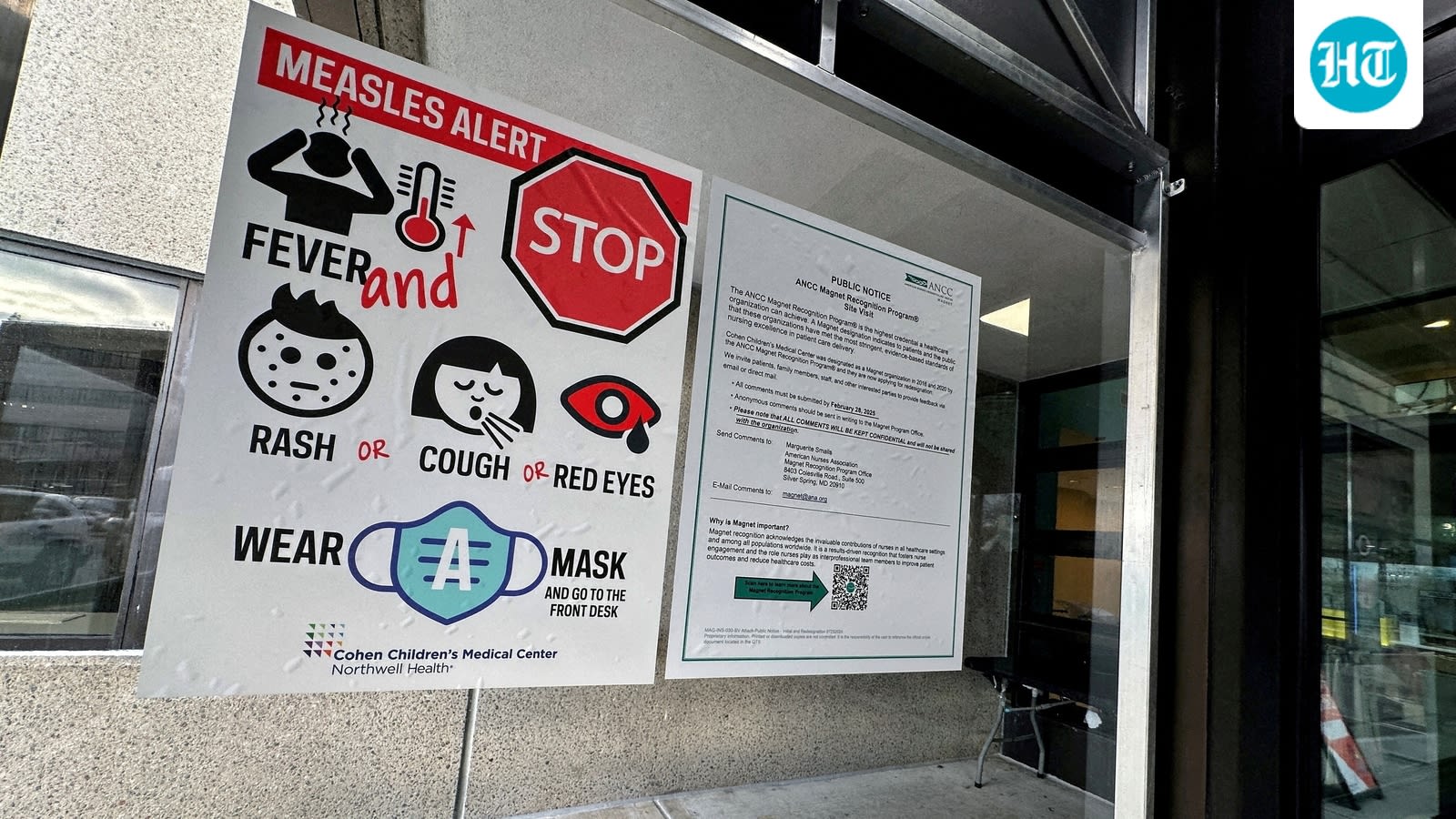
The United States has officially lost its measles elimination status following a surge of over 5,400 cases this year. This public health crisis is attributed to declining vaccination rates fueled by systemic misinformation and policy shifts under the current administration.
The Collapse of American Measles Eradication
The United States has officially lost its measles elimination status, a devastating reversal of a public health victory originally achieved in 2000. This milestone, which represents the culmination of decades of rigorous vaccination efforts, has been dismantled by a combination of policy shifts and a profound erosion of public trust in immunizations. With over 5,400 cases reported this year—the highest figure since 1991—the resurgence is not merely a statistical anomaly but a systemic failure.
The Role of Misinformation and Policy
Central to this decline is the amplification of vaccine skepticism at the highest levels of government. The appointment of Robert Kennedy Jr. as the nation’s top health official has institutionalized long-standing anti-vaccine sentiments. By advocating for religious exemptions in school requirements and questioning the safety of the combined MMR (measles, mumps, and rubella) vaccine, the administration has actively undermined the scientific consensus that has protected American children for generations.
The Impact of the COVID-19 Pandemic
While the current political climate has accelerated the crisis, the groundwork for this failure was laid during the COVID-19 pandemic. The pandemic caused severe disruptions to routine childhood vaccination schedules and deepened public polarization regarding medical interventions. This loss of momentum in pediatric healthcare has created a vulnerable population, allowing a highly contagious virus like measles to find fertile ground in communities with declining immunity.
The Pennsylvania Outbreak and National Consequences
The severity of the situation is best illustrated by the explosive outbreak in Pennsylvania, which alone accounts for more than 1,500 cases. This localized disaster serves as a microcosm for the national trend, demonstrating how quickly the disease can spread when community immunity thresholds are breached. Public health experts have rightly labeled this backslide as a "national embarrassment," noting that the loss of elimination status was both foreseeable and entirely avoidable.
Economic and Future Implications
Reversing this trend will be an expensive and slow process. Public health infrastructure, already strained, must now pivot toward massive catch-up campaigns to restore herd immunity. The costs associated with managing these outbreaks—ranging from hospitalizations to the disruption of school systems—will place a significant burden on state and local resources for years to come.
Conclusion
The return of measles to the United States serves as a stark warning about the fragility of public health achievements. Without a concerted effort to rebuild trust in vaccines and reverse policies that encourage skepticism, the U.S. faces a future where once-eradicated diseases become a persistent, endemic threat to the population.
Verification Required?