69 roads shut in Uttarakhand as monsoon rain triggers landslides
Source Entity
Latest News: Today's Latest News Headlines from India & World | Hindustan Times | Hindustan Times
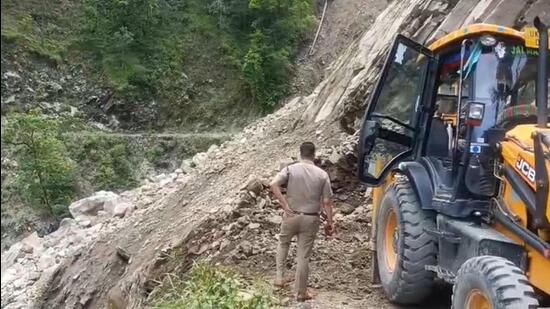
Emergency services, district administrations, the State Disaster Response Force (SDRF) and police teams have been placed on high alert
Monsoon Fury in Uttarakhand: Analysis of Widespread Road Closures
Uttarakhand is currently facing a severe infrastructure crisis as torrential monsoon rains have triggered landslides across the state, resulting in the closure of 69 critical road networks. This disruption has effectively severed connectivity in several mountainous regions, trapping travelers and isolating remote villages. The scale of the closures indicates a systemic failure of slope stability across multiple districts, necessitating an immediate and coordinated response from state authorities to prevent loss of life and restore essential supply chains.
The Geography of Vulnerability
To understand why 69 roads were shut simultaneously, one must look at the fragile geological composition of the Uttarakhand Himalayas. The region consists of young fold mountains characterized by steep slopes and unstable soil. During the monsoon season, intense precipitation saturates the earth, increasing pore-water pressure and reducing the shear strength of the soil and rock. This leads to the inevitable triggering of landslides. The fact that so many roads were affected suggests that the rainfall was not localized but widespread, impacting the state's primary and secondary arterial routes that are carved directly into these precarious slopes.
Impact on Connectivity and Local Economy
Roads in Uttarakhand are more than just transit points; they are lifelines for the local population and the backbone of the state's tourism and pilgrimage economy. The closure of 69 roads likely impacts the routes leading to the Char Dham shrines and other high-altitude tourist destinations. Such closures lead to significant economic losses for local vendors and hotel operators. Furthermore, the blockage of these roads hinders the movement of essential commodities, including food and medical supplies, to remote hill stations, creating a secondary humanitarian crisis that requires urgent intervention from the district administrations.
Emergency Response and the Role of the SDRF
The placement of the State Disaster Response Force (SDRF), police teams, and district administrations on high alert is a critical strategic move. The SDRF is specifically trained for mountain rescue and disaster management in rugged terrains. Their primary objective in this scenario is two-fold: first, to conduct search and rescue operations for any individuals trapped by the landslides, and second, to coordinate with the Public Works Department (PWD) to clear debris and reopen the roads. The 'high alert' status ensures that personnel are pre-positioned in vulnerable zones, reducing response times which are often hindered by the very landslides they are fighting.
Broader Environmental Implications and Climate Trends
This event is not an isolated incident but part of a worrying trend of increasing meteorological volatility in the Himalayan belt. Expert analysis suggests that climate change is altering monsoon patterns, leading to 'cloudburst-like' events where an immense volume of rain falls in a very short window. This concentrated rainfall is far more destructive than steady rain, as it triggers sudden, massive landslides. The current crisis in Uttarakhand serves as a stark reminder of the region's susceptibility to extreme weather events and the urgent need for climate-resilient infrastructure that can withstand the intensifying monsoon cycles.
Conclusion and Future Outlook
In summary, the closure of 69 roads in Uttarakhand is a direct consequence of the intersection between fragile Himalayan geology and intense monsoon activity. While the immediate priority remains the deployment of the SDRF and the restoration of road connectivity, the long-term solution lies in better urban planning and the implementation of advanced slope-stabilization techniques. Moving forward, the state must invest in early warning systems and more robust drainage infrastructure to mitigate the recurring devastation caused by the annual monsoon, ensuring that the state's connectivity is not compromised every rainy season.
Verification Required?