Flawed Routers Flood University of Wisconsin Internet Time Server (2003)
Source Entity
Hacker News
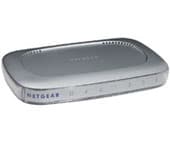
In 2003, a massive surge of traffic hit a University of Wisconsin NTP server due to a design flaw in residential routers. This incident highlighted the dangers of uncoordinated hardware behavior and the vulnerabilities inherent in early mass-market internet infrastructure.
The 2003 Wisconsin NTP Incident: A Case Study in Network Vulnerability
In May 2003, the University of Wisconsin-Madison experienced a massive, unanticipated disruption to their network infrastructure. One of the campus’s public Network Time Protocol (NTP) servers was suddenly besieged by a flood of inbound traffic reaching rates of hundreds of thousands of packets per second and hundreds of megabits per second. While the scale of this traffic mimicked a coordinated Distributed Denial-of-Service (DDoS) attack, the reality was far more nuanced and technically intriguing.
Identifying the Root Cause
Investigations revealed that the traffic originated from hundreds of thousands of individual internet hosts distributed globally. Unlike a traditional malicious attack intended to cripple a service, this incident was the result of a fundamental design flaw in low-cost residential internet hardware. A specific vendor’s product line had been manufactured with hard-coded behaviors that caused these devices to aggressively poll the University’s NTP server, essentially creating a self-inflicted, accidental DDoS event on a massive scale.
The Fragility of Early Consumer Hardware
This incident serves as a critical historical marker for the era of 'always-on' broadband expansion. As residential internet penetration grew in the early 2000s, manufacturers rushed low-cost routers to market with insufficient testing for how those devices would behave under real-world network conditions. The Wisconsin event highlighted the dangers of 'dumb' hardware that lacked the ability to handle back-off timers or alternate server configurations, leading to a cascading failure when thousands of devices simultaneously attempted to synchronize time.
Broader Implications for Network Stability
Beyond the immediate technical disruption, the Wisconsin case demonstrated the fragility of centralized infrastructure. NTP is a foundational protocol for the internet, yet it is often managed by academic or research institutions on a volunteer basis. When consumer hardware manufacturers failed to implement reasonable polling intervals or provide flexibility in their firmware, they inadvertently weaponized their own product base against these critical, non-commercial service providers.
Lessons for Future Network Design
Ultimately, the 2003 incident forced a re-evaluation of how consumer devices interact with public internet services. It emphasized the need for standardized firmware updates, better quality assurance in consumer electronics, and the implementation of traffic shaping and rate-limiting at the server level. The legacy of this event persists in modern network engineering, where developers now prioritize defensive programming to ensure that even if a device malfunctions, it cannot be easily leveraged to overwhelm critical network nodes.