Vaibhav Sooryavanshi's exclusion under scanner, unfair treatment alleged: ‘Even my wife is questioning his exclusion’
Source Entity
Latest News: Todays Latest News Headlines from India & World | Hindustan Times | Hindustan Times
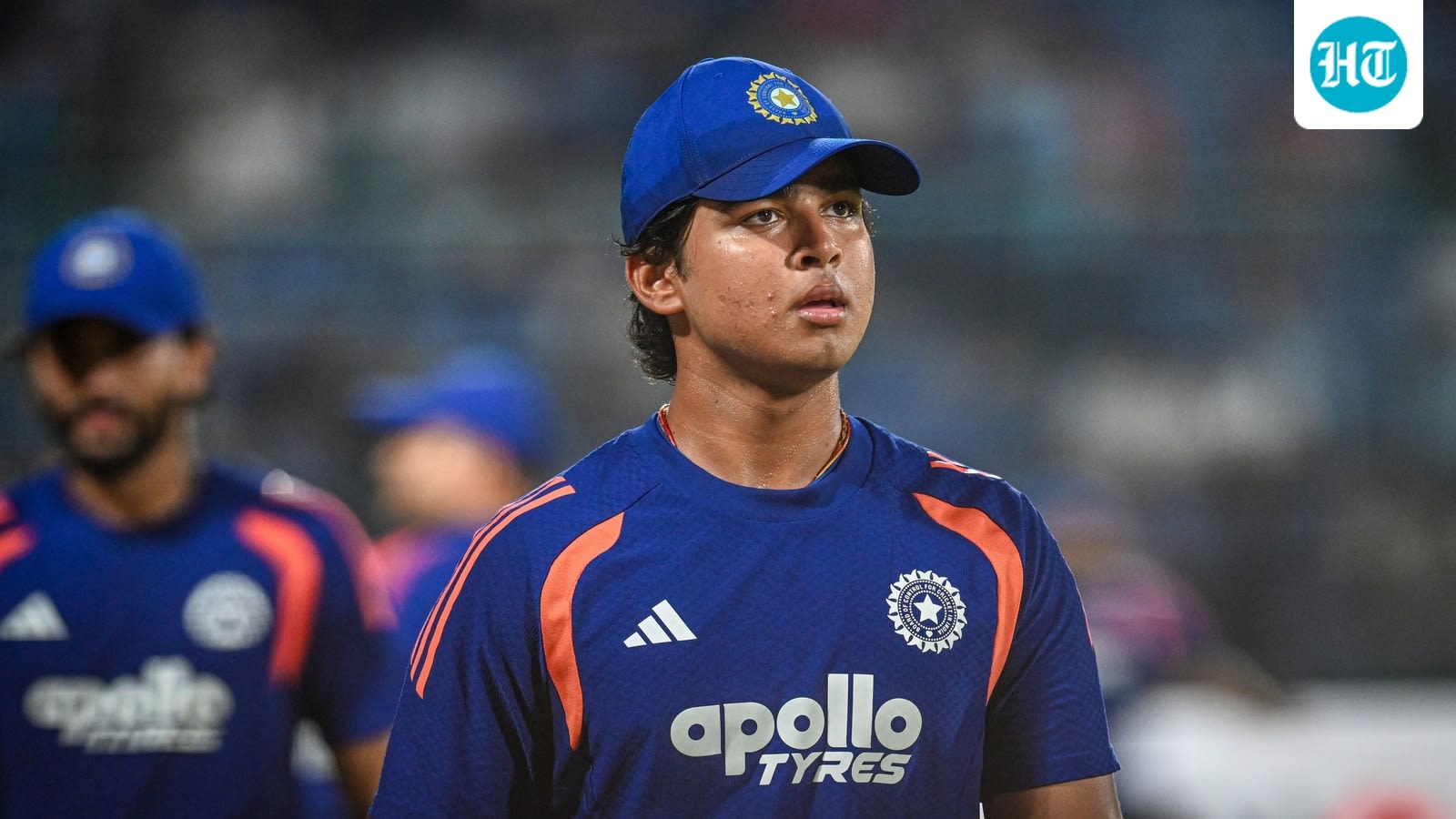
Former India captain Kris Srikkanth has publicly criticized the team management for excluding 15-year-old prodigy Vaibhav Sooryavanshi from the playing XI against Afghanistan. The decision has sparked debate due to the youngster's previous standout performance and the physical strain of transitioning between formats.
Controversy Erupts Over Vaibhav Sooryavanshi's Omission
Former Indian cricket captain and chief selector Kris Srikkanth has ignited a significant debate regarding the team management's handling of 15-year-old batting prodigy Vaibhav Sooryavanshi. The young cricketer, who had recently participated in the high-stakes Duleep Trophy final, was notably absent from the playing XI for the series opener against Afghanistan. Srikkanth’s public criticism highlights a growing concern regarding the selection criteria and the support systems provided to emerging talents within the Indian cricket structure.
The Performance-Selection Paradox
The exclusion appears particularly baffling when analyzing Sooryavanshi's recent form. In his previous assignment against Zimbabwe, he was named the Player of the Series, having amassed 151 runs with an aggressive strike rate of 196.10. Such performance metrics usually solidify a player's position in a squad, making his sudden benching a point of contention for both analysts and fans. Srikkanth noted that the decision was so surprising that even his own family members questioned the logic behind omitting a player in such prime form.
The Toll of Multi-Format Transitions
A critical factor in this controversy is the physical and mental strain placed on a teenage athlete. Having just concluded a grueling red-ball campaign in the Duleep Trophy, Sooryavanshi faced the immediate challenge of recalibrating for the shortest format of the game. Critics argue that the team management may have failed to account for the necessary recovery time and the technical adjustment required to switch from the patience of first-class cricket to the high-intensity demands of T20 internationals.
Broader Implications for Youth Development
This incident shines a spotlight on how Indian cricket integrates young talent into the senior setup. When a player who has proven his capability at the international level is sidelined without a clear explanation, it raises questions about the transparency of the selection process. The pressure on young players to perform immediately is immense, and inconsistent selection policies can potentially stall the development of future stars who require stability to flourish.
Future Trends and Management Accountability
As the Indian team continues to experiment with its opening combinations—a persistent conundrum for the selectors—the case of Sooryavanshi serves as a cautionary tale. Moving forward, the management will likely face increased scrutiny regarding their rotation policies. If the goal is to build a team for the future, experts suggest that clear communication and a consistent roadmap for young players are essential to prevent burnout and maintain morale in the dressing room.
Conclusion
The outcry from a figure as influential as Kris Srikkanth underscores the high stakes involved in managing India's next generation of cricketers. Whether the decision to drop Sooryavanshi was a tactical maneuver or a failure of management, it has undeniably sparked a necessary conversation about the balance between performance, player welfare, and the strategic vision of the Indian cricket team.
Verification Required?