Varanasi’s Dalmandi road widening begins with groundbreaking ceremony
Source Entity
Latest News: Todays Latest News Headlines from India & World | Hindustan Times | Hindustan Times
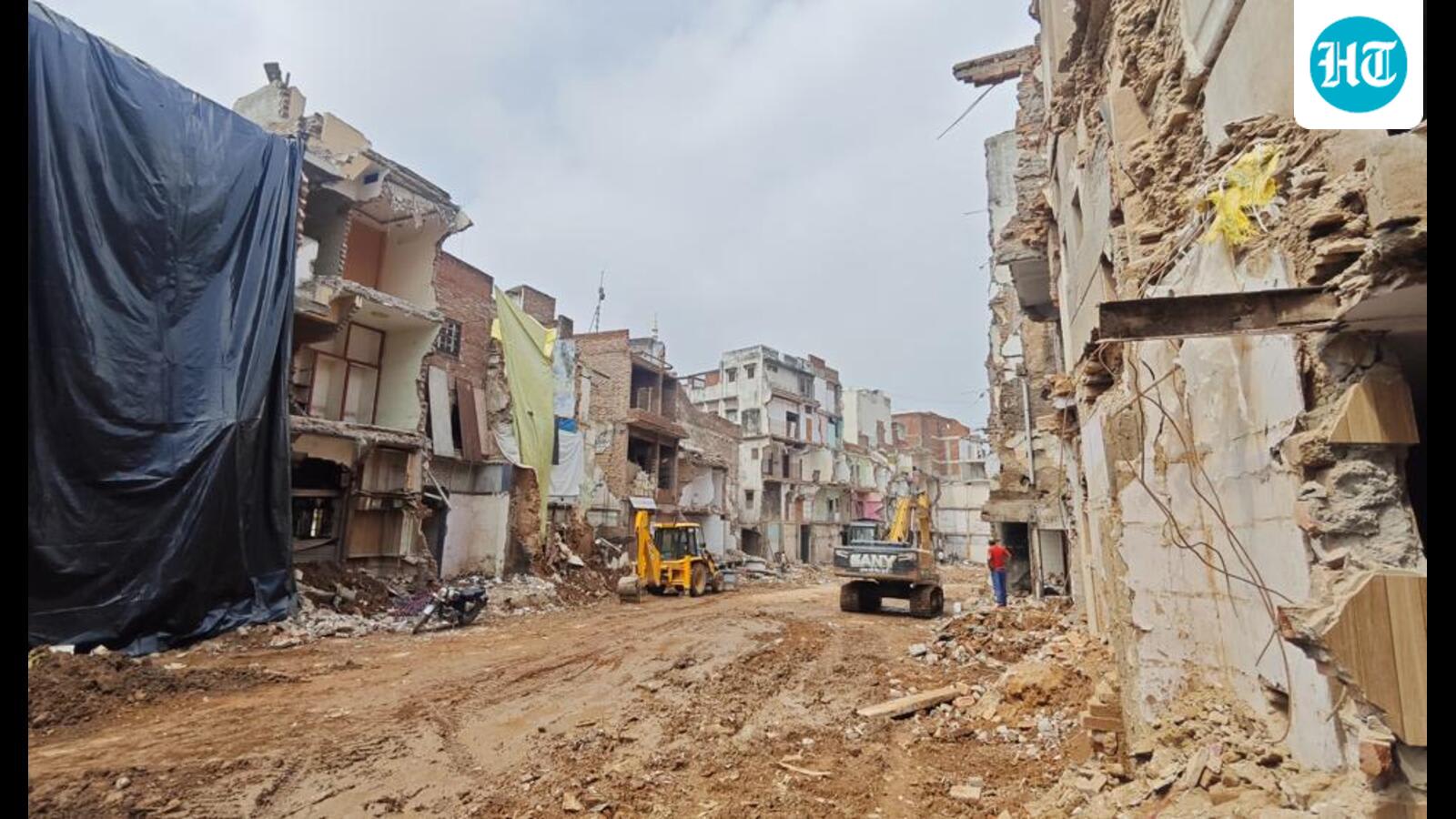
Varanasi has officially launched a ₹216 crore project to widen the historic Dalmandi road from 5.6 to 17.5 metres. The initiative, expected to finish by November 2026, aims to reduce congestion and improve pilgrimage access to the Shri Kashi Vishwanath Temple.
Infrastructure Transformation in Varanasi: The Dalmandi Road Project
A Strategic Urban Overhaul
The recent groundbreaking ceremony for the expansion of the 650-metre Dalmandi road in Varanasi marks a significant milestone in the city's ongoing urban infrastructure development. By expanding the thoroughfare from a narrow 5.6 metres to a robust 17.5 metres, the administration is directly addressing the chronic traffic congestion that has long plagued this historic area. This project, overseen by the Public Works Department (PWD), is not merely a road-widening exercise but a calculated effort to modernize the city's core logistics.
Prioritizing Connectivity to Kashi Vishwanath
The primary impetus behind this ₹216 crore investment is the improvement of transit accessibility to the Shri Kashi Vishwanath Temple. As Varanasi continues to see a surge in religious tourism, infrastructure must evolve to handle higher footfalls and vehicular traffic. By integrating modern features like dedicated footpaths and underground sewerage systems, the project aims to create a more efficient and pedestrian-friendly environment, balancing the needs of local residents with the demands of a major pilgrimage destination.
The Human and Administrative Cost of Progress
Executing such a project in a densely populated, historic urban center requires significant administrative and logistical coordination. The acquisition and demolition of 181 buildings underscore the complexity of urban renewal in India. The fact that all structures were legally purchased and compensation was provided to owners prior to demolition highlights a commitment to procedural due process, ensuring that the transition is handled with transparency and respect for property rights.
Engineering for the Future: 2026 and Beyond
The timeline for completion, set for November 2026, reflects the scale of the civil engineering work involved. Beyond the road surface itself, the inclusion of underground utilities—such as sewage systems—suggests a holistic approach to urban planning. By moving essential services underground, the project reduces the need for frequent road excavations, thereby ensuring the longevity and durability of the new infrastructure.
Broader Economic and Urban Implications
This development is part of a larger trend of infrastructure-led growth in Varanasi. By investing ₹216 crore into this specific corridor, the government is signaling a long-term commitment to upgrading historical districts to meet contemporary standards. This modernization is expected to boost the local economy by improving supply chain access, reducing travel time for emergency services, and enhancing the overall quality of life for the residents of Dalmandi.
Conclusion
The Dalmandi road project stands as a testament to the challenge of blending ancient urban fabric with modern requirements. Through careful planning, legal acquisition of land, and a focus on essential utilities, the project is poised to significantly alleviate congestion. As Varanasi moves toward its 2026 completion target, this initiative will likely serve as a model for future infrastructure projects in historic Indian cities, proving that modernization can be achieved while respecting the structural needs of a growing metropolitan center.
Verification Required?