Vermont replacing power plants with home batteries
Source Entity
Hacker News
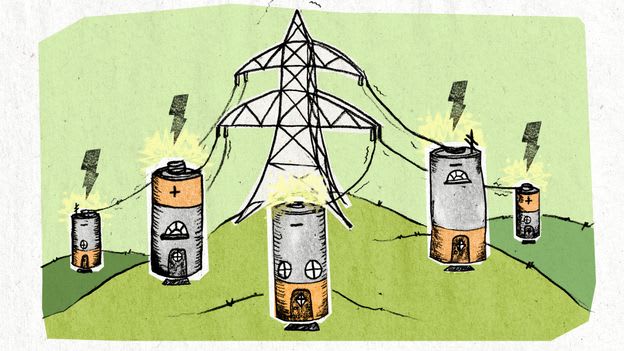
Vermont's Green Mountain Power is deploying virtual power plants using home batteries to optimize grid efficiency. These systems manage energy demand intelligently, reducing the need for traditional power plant reliance during peak hours.
The Shift Toward Decentralized Energy in Vermont
Vermont is pioneering a transformative approach to grid management by integrating home batteries into what are known as Virtual Power Plants (VPPs). Rather than relying solely on large-scale, centralized power stations that often burn fossil fuels during peak demand, utility providers like Green Mountain Power (GMP) are leveraging distributed energy resources. This strategy effectively turns individual residential households into active contributors to the state's energy stability.
How Virtual Power Plants Function
It is essential to clarify that VPPs do not generate electricity in the traditional sense. Instead, they function as sophisticated software-driven networks that aggregate the storage capacity of thousands of home batteries. By intelligently managing these batteries, the utility can discharge stored energy back into the grid exactly when demand spikes. While approximately 50% of these homes are also equipped with solar panels to generate clean energy, the primary value of the VPP lies in its ability to conserve and redistribute existing power more efficiently.
Enhancing Grid Resilience and Efficiency
By utilizing these home-based assets, Vermont is addressing the inherent vulnerabilities of a centralized grid. Traditional power plants often struggle to spin up quickly enough to meet sudden surges in electricity usage, leading to inefficiencies and potential outages. VPPs mitigate this by providing a flexible, fast-acting cushion of energy. This capability reduces the reliance on 'peaker plants'—often the most expensive and least environmentally friendly facilities—thereby lowering costs and carbon footprints simultaneously.
The Role of Software in Energy Management
At the heart of this innovation is the software layer that orchestrates the flow of energy. By monitoring grid conditions in real-time, the utility can make micro-decisions about when to store energy and when to feed it back into the system. This intelligent management ensures that the grid operates at its peak potential, effectively making existing power supplies go further without requiring the construction of costly new infrastructure.
Future Trends and Broader Implications
Vermont’s model offers a blueprint for the future of global energy infrastructure. As renewable energy adoption grows, the challenge of intermittency—where solar or wind production does not always align with peak consumption—becomes more pressing. The successful deployment of VPPs in Vermont demonstrates that decentralized storage is a viable, scalable solution. Moving forward, this approach will likely be adopted by other regions seeking to modernize their grids while fostering consumer participation in energy conservation efforts.