Waze is getting a bunch of new AI-powered features
Source Entity
Andrew J. Hawkins
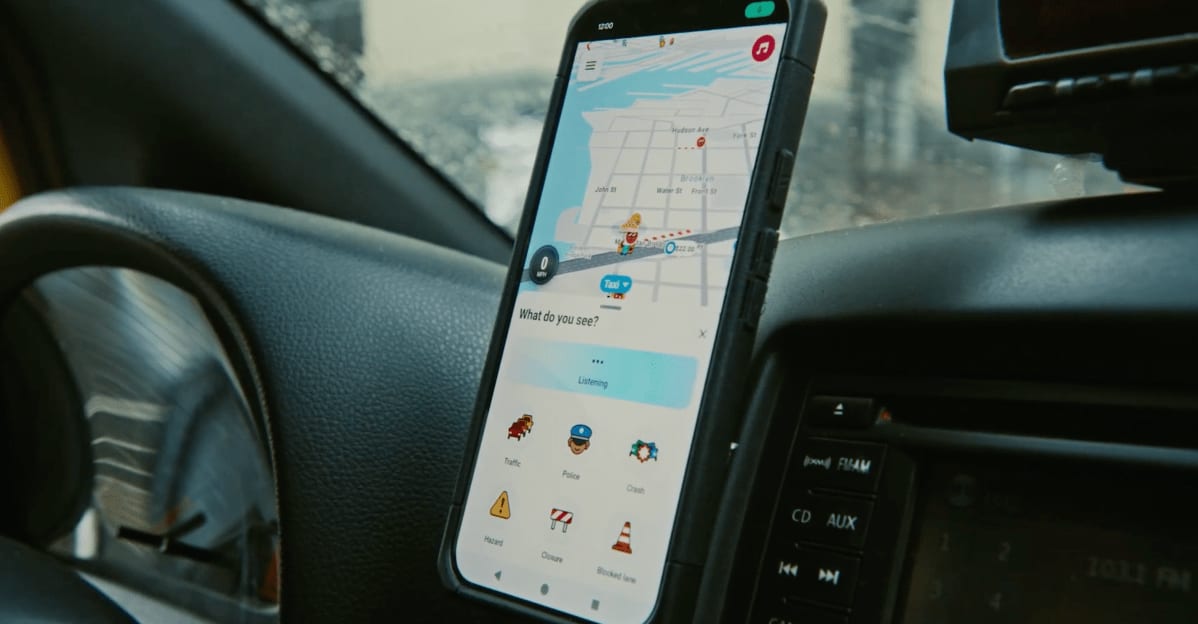
Waze is getting an AI makeover. Google is integrating its flagship AI assistant, Gemini, into the driving app with the goal of letting users personalize their trips a little more. Of the four new updates, only two are being described as involving Gemini. Waze says its updating its conversation reporting feature, first introduced in 2024, […]
Waze Enters the Generative AI Era: Integrating Google Gemini
Google is strategically evolving its navigation ecosystem by integrating Gemini, its flagship large language model (LLM), into Waze. This move signals a shift from traditional, rule-based navigation toward a more fluid, AI-driven user experience. By leveraging Gemini, Waze aims to move beyond simple point-to-point routing and instead offer a personalized travel companion that understands context and user preference more deeply.
Enhancing Trip Personalization with Gemini
One of the core pillars of this update is the focus on personalization. Traditional navigation apps rely on static filters or manually entered preferences. With Gemini's integration, Waze can potentially process complex, natural language queries to help users customize their journeys. Instead of searching for a specific category of business, users may soon be able to request routes based on nuanced preferences, allowing the AI to synthesize real-time traffic data with personal tastes to suggest the optimal path and stop-overs.
The Evolution of Community-Driven Reporting
Beyond general personalization, Waze is specifically updating its conversation reporting feature. Waze has always been defined by its crowdsourced data—where users report accidents, police presence, and road hazards. By applying AI to these reports, Waze can better categorize and verify the massive influx of user-generated data. This reduces noise and increases the accuracy of the alerts other drivers receive, transforming raw user input into high-fidelity, actionable intelligence in real-time.
Strategic Positioning in the Navigation Market
This AI makeover is not happening in a vacuum. Google is currently in a race to maintain dominance over the navigation space against competitors like Apple Maps. By deploying Gemini across its suite of apps, Google is creating a synergistic environment where the AI learns from a user's behavior across Search, Maps, and Waze. This creates a "moat" of personalization that is difficult for competitors to replicate without a similarly powerful LLM integrated into a wide array of services.
Implications for Driver Safety and Interface
Integrating a sophisticated AI assistant like Gemini also addresses the critical need for hands-free interaction. As driving apps become more complex, the risk of driver distraction increases. AI-powered voice interfaces allow for more natural conversations, meaning drivers can report hazards or change destinations without needing to interact with a screen. This transition toward a voice-first, AI-managed interface is a significant step in improving road safety while increasing the utility of the app.
Future Trends: Predictive and Proactive Navigation
Looking forward, the integration of Gemini suggests that Waze is moving toward "proactive navigation." Rather than simply reacting to a user's input, future iterations could predict a user's needs based on historical patterns and real-time environmental triggers. We can expect a future where the app suggests a different route not just because of traffic, but because it knows the user prefers a more scenic drive on Friday afternoons or needs to stop for fuel based on vehicle integration data.
Summary
In conclusion, the integration of Google Gemini into Waze represents a fundamental upgrade to the app's intelligence. By focusing on personalization and the refinement of its community reporting tools, Waze is evolving from a utility tool into an intelligent assistant. This move reinforces Google's commitment to an AI-first strategy, ensuring that Waze remains a leader in the competitive landscape of smart mobility.