White House removes cyber-security chief after series of tech outages
Source Entity
BBC News
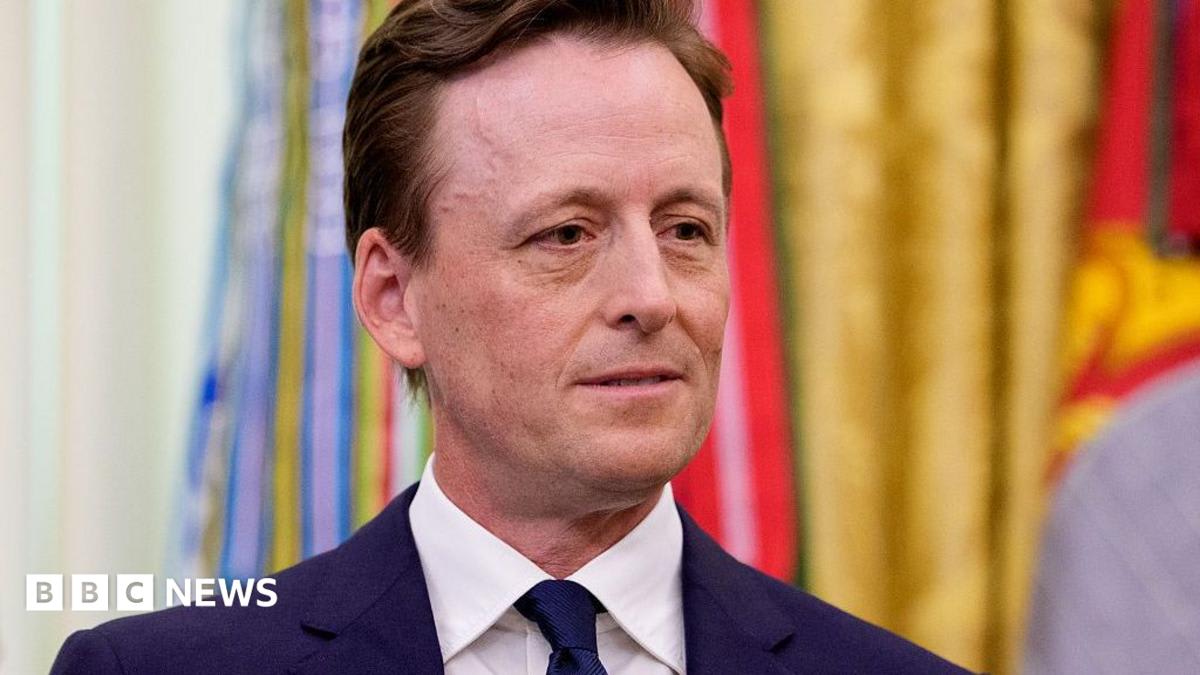
National Cyber Director Sean Cairncross has been fired following a series of major U.S. infrastructure outages. He is being replaced by Department of Defense official Kirsten Davies.
The Ousting of National Cyber Director Sean Cairncross
The administration of President Donald Trump has officially parted ways with National Cyber Director Sean Cairncross, following a tumultuous period defined by significant technical disruptions across critical U.S. infrastructure. Cairncross, who had occupied the role since August 2025, faced mounting pressure as a series of outages paralyzed key systems, including operations at the National Security Agency (NSA), the national air traffic control network, and several major financial institutions.
The Catalyst: Systemic Failures and Loss of Confidence
According to reports from CBS and other outlets, the decision to remove Cairncross was driven by a fundamental loss of confidence from White House Chief of Staff Stephen Miller. While Cairncross was a veteran of the first Trump administration, serving in various insider roles, his tenure as national cyber director was ultimately eclipsed by the inability to maintain the stability of essential digital services. The synchronization of these outages—impacting everything from national security apparatuses to the banking sector—created a sense of vulnerability that the White House deemed unacceptable.
Leadership Transition and Strategic Shifts
In the wake of the termination, Secretary of State Marco Rubio confirmed via social media that Kirsten Davies, the current Department of Defense chief information officer, will step into the role of national cyber director. The appointment of a high-ranking official from the Department of Defense signals a strategic pivot toward a more militarized or hardened approach to domestic cybersecurity. By drawing from the Pentagon's leadership, the administration appears to be prioritizing operational resilience and command-and-control stability over the previous organizational structure.
Broader Implications for National Security
The firing of a director amidst such high-profile outages underscores the precarious nature of modern digital infrastructure. When critical systems like air traffic control and the NSA experience simultaneous disruptions, the threshold for executive intervention drops significantly. This event highlights the growing intersection between digital governance and national survival. As the U.S. continues to face evolving cyber-threats, the administration is clearly signaling that it will hold leadership strictly accountable for the uptime and integrity of the nation's digital backbone.
Historical Context and Future Trends
Cairncross’s departure is part of a broader history of high-level personnel changes within the Trump administration, where loyalty and performance under pressure are frequently tested. Looking ahead, the appointment of Kirsten Davies suggests that future cybersecurity policy will be increasingly tethered to Department of Defense protocols. As the country moves past these outages, the focus will likely shift toward massive infrastructure audits and a potential overhaul of how federal agencies interact with private sector banks and public infrastructure providers to prevent future cascading failures.
Multiple Citing Sources