Zelensky Says Russia Tried To Attack His Plane Twice To 'Intimidate' Him: Report
Source Entity
NDTV News Search Records Found 1000
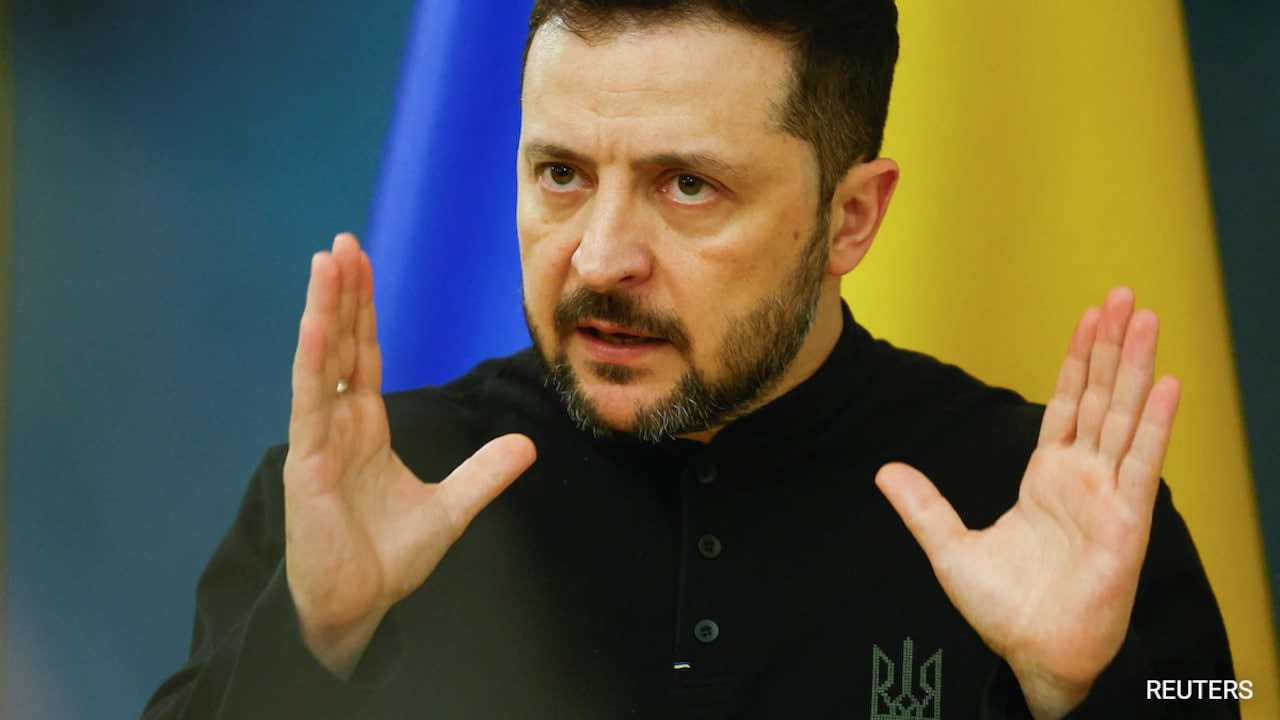
Ukrainian President Volodymyr Zelensky reported that Russia attempted to target his aircraft twice to intimidate him. The incidents involved drones entering Moldovan airspace during his return journey to Ukraine.
Analysis of Alleged Aerial Threats Against President Zelensky
The Incident and Escalation
President Volodymyr Zelensky has officially stated that Russian forces attempted to attack his aircraft on two separate occasions as a deliberate act of intimidation. These reports highlight a significant escalation in the ongoing conflict, shifting the focus toward the personal security of national leaders and the violation of sovereign international airspace. By allegedly targeting the presidential transport, the intent appears to be the destabilization of the Ukrainian government through the direct neutralization of its primary leadership.
Territorial Violations and Geopolitical Implications
Central to these claims is the report that drones associated with these attacks entered Moldovan airspace during Zelensky’s transit back to Ukraine. This maneuver suggests a calculated disregard for the neutrality of neighboring states, effectively turning regional airspace into a theater of tactical aggression. Such actions put immense diplomatic pressure on Moldova, a nation already navigating the delicate balance of maintaining sovereignty while managing the spillover effects of the Russia-Ukraine war.
The Strategy of Intimidation
From a strategic standpoint, the targeting of a head of state’s aircraft serves as a psychological warfare tactic rather than merely a tactical military strike. By demonstrating the reach and capability to track and intercept the presidential plane, Russian forces likely aim to create a climate of fear and vulnerability within the Ukrainian leadership. This tactic is designed to project an image of total dominance, signaling that no transit route is truly secure from surveillance or intervention.
Regional Security and Airspace Integrity
These events underscore the fragility of regional security protocols. When military assets transit through the airspace of non-belligerent nations like Moldova, it complicates the rules of engagement and risks accidental escalation. The international community views such incursions as a direct challenge to the norms of sovereign borders, forcing neighboring countries to bolster their own air defense monitoring and diplomatic responses to prevent becoming involuntary participants in the conflict.
Future Trends and Security Posture
Looking ahead, it is highly probable that President Zelensky’s travel security will be significantly overhauled, likely involving more secretive routes, increased escort protocols, and heightened coordination with international intelligence partners. As the conflict continues, the protection of high-value targets will remain a priority, and the use of drone technology for such high-stakes interceptions will likely force a global reassessment of how airspace security is managed in active conflict zones.
Conclusion
In summary, the reported attempts to intercept President Zelensky’s aircraft represent a dangerous intersection of tactical aggression and psychological pressure. By violating Moldovan airspace to carry out these operations, the aggressors have not only threatened a head of state but have also challenged the regional status quo. Moving forward, the international community must remain vigilant regarding these tactics, which signal a shift toward more brazen and high-risk operations in the ongoing war.
Verification Required?