
The Illusion of the Loudest Voice
For too long, the corporate ladder was climbed by those who could dominate a boardroom. We called it executive presence, but often it was simply the ability to speak loudest and longest. This model relied on a specific type of alchemy: a leader who could project confidence, sway a room through sheer force of personality, and make decisions in real-time that everyone else felt compelled to follow. It was a localized power structure, built for the era of the physical office and the singular, centralized headquarters. But the geography of work has shifted, and the charisma that once served as a shortcut to authority is now becoming a liability.
Why does this matter now? Because the traditional meeting is a failure of efficiency. When twelve people sit in a room, the reality is that only four typically feel heard. The other eight are either checked out or suppressing their best thinking to avoid the friction of a dominant personality. This isn't just a productivity leak; it is a systemic failure of intelligence gathering. When decisions are made by the same three loud voices every time, the organization isn't actually collaborating—it is merely performing consensus while ignoring the diverse input of its most competent contributors.
"Executive presence isn't about being the loudest person in the room—it's about inspiring confidence."— Industry Insight on Executive Presence
This shift is not about the sudden disappearance of personality, but the devaluation of performative leadership. In a world of distributed teams and hybrid schedules—like the model seen at Roku where employees split time between the office and remote work—the 'room' no longer exists as a stable entity. You cannot dominate a Slack channel or a shared document with a booming voice or a piercing gaze. The leverage has shifted from the ability to persuade in the moment to the ability to synthesize information in a way that scales. This is where documentary competence enters the frame.

Defining Documentary Competence
Documentary competence is the ability to move the heavy lifting of collaboration from live interactions to shared, asynchronous records. It is the discipline of clear writing, the creation of structured decision logs, and the use of brief recordings to convey complex ideas without requiring a calendar block. It is a fundamental rejection of the 'green dot' culture—the toxic habit of measuring a worker's value by their instant availability on a chat app. Instead, it demands that leadership measure output and actual results. If a decision isn't documented, it effectively didn't happen.
This competence is the only way to prevent information from vanishing quietly. When teams drop meetings without improving their documentation habits, they don't find freedom; they find chaos. The documentary leader understands that a well-written brief is more powerful than a thousand-word speech. They recognize that the real work happens in the margins of a cloud document, where ideas can be stress-tested, challenged, and refined without the social pressure of a live audience. This allows the most thoughtful thinkers—not just the fastest talkers—to drive the strategy.
| Metric | Charismatic Leadership | Documentary Leadership |
|---|---|---|
| Primary Tool | The Live Meeting | The Shared Document |
| Decision Driver | Social Influence/Presence | Synthesized Evidence |
| Success Marker | Room Consensus | Measurable Output |
| Communication Style | Synchronous/Reactive | Asynchronous/Thoughtful |
| Inclusivity Rate | Low (approx. 33% feel heard) | High (All can contribute async) |
Does this mean the end of the human element in leadership? Quite the opposite. By removing the operational friction of endless, pointless meetings, leaders can actually focus on the things that matter: strategy, people, and high-stakes decisions. As Zoho points out, great leaders don't need more hours in the day; they need fewer barriers. When complexity is reduced through documentation, the leader stops being a firefighter and starts being an architect. They stop managing the clock and start managing the outcome.
The Mechanics of Asynchronous Power
To implement documentary competence, the workflow must be inverted. Instead of meeting to decide, teams must decide to meet only after the work is done. This process begins by sending specific questions in advance: What are we deciding? What is the context? What does the team need to weigh in on? This forces the leader to be precise and the team to be thoughtful. People answer in their own time, bringing their best thinking to the table rather than reacting on the spot to a dominant personality.
Once the input is gathered, the team stress-tests the thinking asynchronously. Challenges are raised, builds are added, and flaws are exposed in the document before any agenda is even set. In many cases, this process reveals that the meeting is entirely unnecessary. Two people land the plane, the decision is logged, and the organization moves forward without a single minute of calendar time wasted. When a meeting does happen, it is fundamentally different; it is a session for final alignment, not a brainstorming session where the loudest voice wins.
The Async Paradox
The ultimate goal of async work isn't to outlaw meetings, but to ensure that when they do happen, the real work has already been completed. The meeting becomes the victory lap, not the struggle.
This shift is particularly critical as organizations integrate AI into their workflows. At companies like Roku, there is a growing emphasis on using AI agents and frameworks to drive work and verify output. The role of the leader is no longer to oversee the process in real-time, but to verify the output produced by these tools and the humans directing them. This requires a high level of technical and documentary literacy. You cannot 'charisma' your way through a codebase or an AI-generated project plan; you must be able to audit the evidence.
Scaling Truth Across Borders
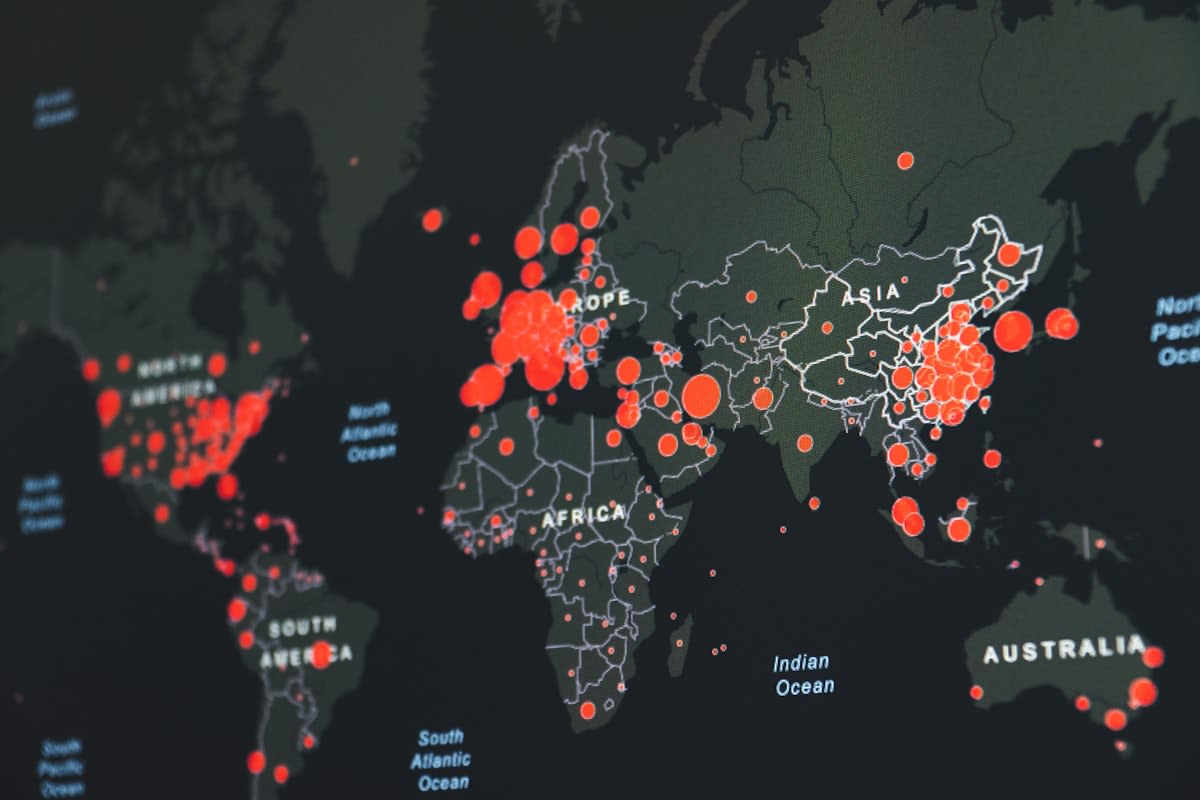
For global teams spanning multiple continents, synchronous charisma is not just inefficient—it is exclusionary. A leader in New York who dominates a Zoom call at 9 AM EST is effectively silencing a brilliant contributor in Singapore who is joining at 10 PM. Documentary competence levels the playing field. It treats the written word as the primary source of truth, ensuring that the quality of the idea outweighs the timezone of the author. This is how global organizations build resilience: by decoupling their intelligence from their clock.
We are seeing this transition manifest in new roles. The demand for leaders who can handle institutional storytelling and documentary-style communication is rising. It is no longer enough to be a 'manager'; one must be a curator of information. The ability to lead complex projects from concept to final delivery now requires a mastery of reputation-building content and research storytelling. The new executive presence is found in the clarity of a memo and the precision of a decision log.
Ultimately, the death of the charismatic leader is an opportunity for the competent. It removes the barrier of personality and replaces it with the meritocracy of the page. When we stop valuing the performance of leadership and start valuing the evidence of competence, we create organizations that are not only more productive but more honest. The future belongs to the leaders who can write their way to a decision, document their way to scale, and lead without needing to be the loudest person in the room.