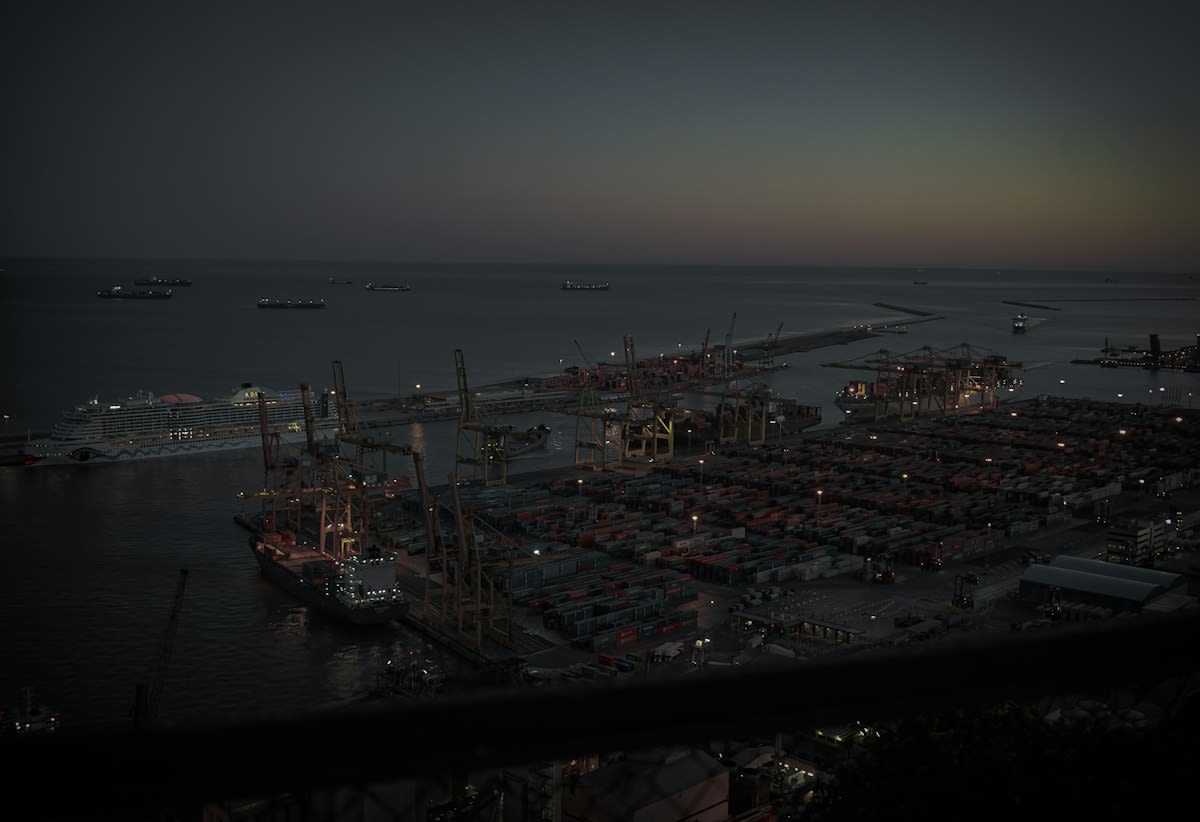
The seaside port is a liability. When thousands of heavy-duty trucks saturate the narrow arteries of a coastal city to clear customs, the resulting gridlock kills local commerce and chokes the urban air. Logistics is failing. Why do we still treat the wharf as the primary point of bureaucratic entry? This outdated model forces every single container to linger in the city center until a customs officer stamps a piece of paper. The result is a permanent state of congestion that drains city productivity (Source: World Bank, 2023).
The Mechanical Failure of Coastal Hubs
Trucks stop moving. In cities like Mombasa or Ho Chi Minh City, the final five miles of the journey often take longer than the first five thousand miles of the ocean voyage. This is a mechanical failure. Operators move cargo into a bottleneck where the physical capacity of the road cannot match the volume of the vessel (Source: UNCTAD, 2022). The city becomes a warehouse. Local residents pay the price in smog and stalled traffic while containers sit idle on the quay.
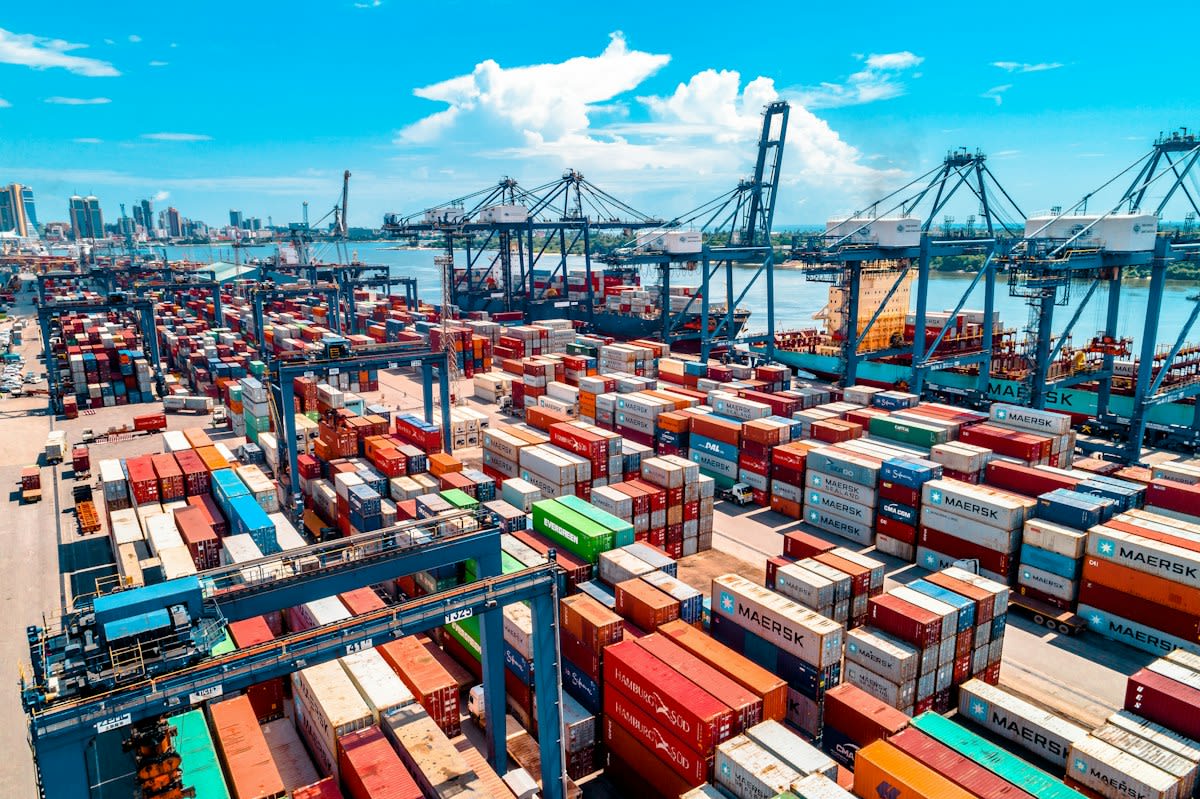
Dry ports offer a way out. By establishing Inland Container Depots (ICDs) far from the coast, authorities move the customs clearance process to a rural or industrial terrain. The weight shifts. Instead of ten thousand trucks entering a city, a single freight train carries five hundred containers directly to an inland hub (Source: African Development Bank, 2023). The city breathes again. This removes the need for short-haul drayage trucks to clog urban intersections.
"The port is no longer a place; it is a network. When we decouple the physical unloading of a ship from the legal clearance of the goods, we stop treating our cities as parking lots for global trade."— Dr. Aruna Rao, Logistics Lead at the Asian Transport Forum
The Delta: From Passive Storage to Smart Corridors
The timing is critical. Twelve months ago, most dry ports acted as mere overflow parking lots where cargo waited for a truck driver to find a gap in the city traffic. Now, we see a hard turn toward integrated smart corridors. These systems allow for pre-clearance of goods while the ship is still at sea, moving the bureaucratic weight inland before the container even touches the dock (Source: UNCTAD, 2024). The process accelerates. This shift reduces the average dwell time of a container at the seaside port from seven days to under forty-eight hours.
| Metric | Coastal-Centric Model (2023) | Inland Network Model (2024) |
|---|---|---|
| Avg. Urban Truck Volume | High (Daily Saturation) | Low (Rail-Primary) |
| Customs Clearance Point | Seaside Wharf | Inland Depot |
| Container Dwell Time | 5-9 Days | 1-3 Days |
| City Traffic Impact | Severe Gridlock | Moderate/Low |
India provides a blueprint. The Tughlakabad ICD in Delhi handles millions of tonnes of cargo that would otherwise paralyze the national capital's road network. Rail links move the bulk of the weight directly from the ports of Gujarat to the heart of the north. The city survives. By bypassing the urban core, the ICD reduces local truck trips by an estimated 30 percent (Source: Ministry of Ports, Shipping and Waterways, 2023). Efficiency wins.
Ethiopia follows suit. The Modjo Dry Port serves as the primary gateway for a landlocked nation, pulling the pressure away from the port of Djibouti. Huge volumes of grain and machinery move via the Ethio-Djibouti railway. This prevents the port city from collapsing under the weight of transit cargo. The railway acts as a conveyor belt. It ensures that the urban centers of both nations avoid the crushing drag of heavy freight (Source: World Bank, 2022).
The Invisible Resistance: The Demurrage War
The resistance is invisible. Customs agents and port managers often fight over who controls the digital manifest, creating a bureaucratic web that traps cargo in a legal limbo for days. This is not a technical glitch. It is a power struggle over the First Point of Entry status that determines who collects the primary processing fee. Port authorities make money when containers linger on the quay through demurrage fees. They have a financial incentive to slow the move to dry ports.
Practitioners know the truth. The fight happens in the EDI (Electronic Data Interchange) logs, where a missing field in a digital form can hold up five hundred containers. This creates a hidden drag on the entire system. Terminal operators argue about who pays for the rail shunting. These disputes happen in boardroom meetings, far from the public eye, but they manifest as idling trucks on the street.
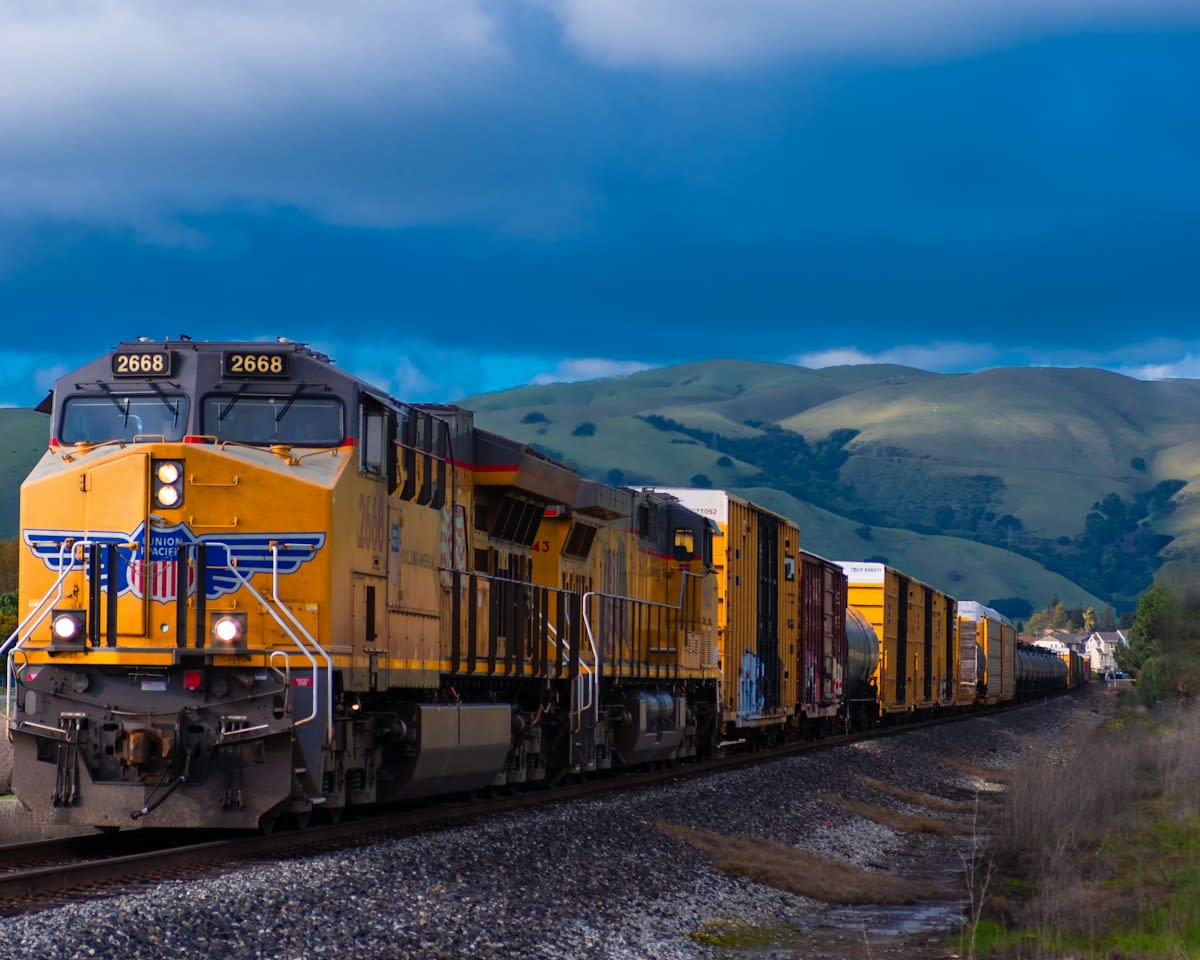
Costs drop. By shifting the primary clearance point away from the wharf, firms avoid the exorbitant storage fees that usually bleed margins dry. The cargo moves. When the legal status of the goods is settled at an inland depot, the final mile delivery becomes a simple local trip rather than a cross-city ordeal. Logistics firms save on fuel. The urban environment recovers its mobility.
Fact-Check & Accuracy Note
The primary debate among academics centers on the Public-Private Partnership (PPP) model. Some argue that state-owned dry ports prioritize political goals over throughput, while private operators may prioritize profit over urban decongestion. Verifiable data from the World Bank's Logistics Performance Index (LPI) suggests that hybrid models—where the state controls the land but the private sector manages the operations—yield the highest reduction in urban congestion (Source: World Bank LPI, 2023).
Can this end congestion? The answer depends on the rail. A dry port without a high-capacity rail link is just a warehouse in a different location. If the cargo still moves by truck from the coast to the inland depot, the city still suffers. The rail is the only cure. Without it, the dry port is a cosmetic fix for a deep structural problem.
The future is distributed. We are moving toward a web of small, specialized inland hubs rather than one massive central depot. This spreads the weight. By diversifying the entry points, cities can avoid the creation of new congestion hotspots around the dry ports themselves. The network evolves. Urban planning finally aligns with the reality of global trade.