Coffee shops are dying slowly. 40% of independent shops in Ginza report declining revenue (Source: Japan Coffee Association, 2022). This decline is not a temporary dip but a systemic failure of an outdated business model. The traditional sanctuary of the coffee house is losing its battle against the clock and the ledger.
These establishments once served as sanctuaries for the city's thinkers and poets. They provided a space where time slowed down, far from the noise of the commercial world. However, the economic reality of the 21st century has eroded this sanctuary. Modern consumers prioritize speed and connectivity over atmosphere and silence. The resulting revenue gap is a consequence of this misalignment (Source: Ministry of Economy, Trade and Industry, 2021).
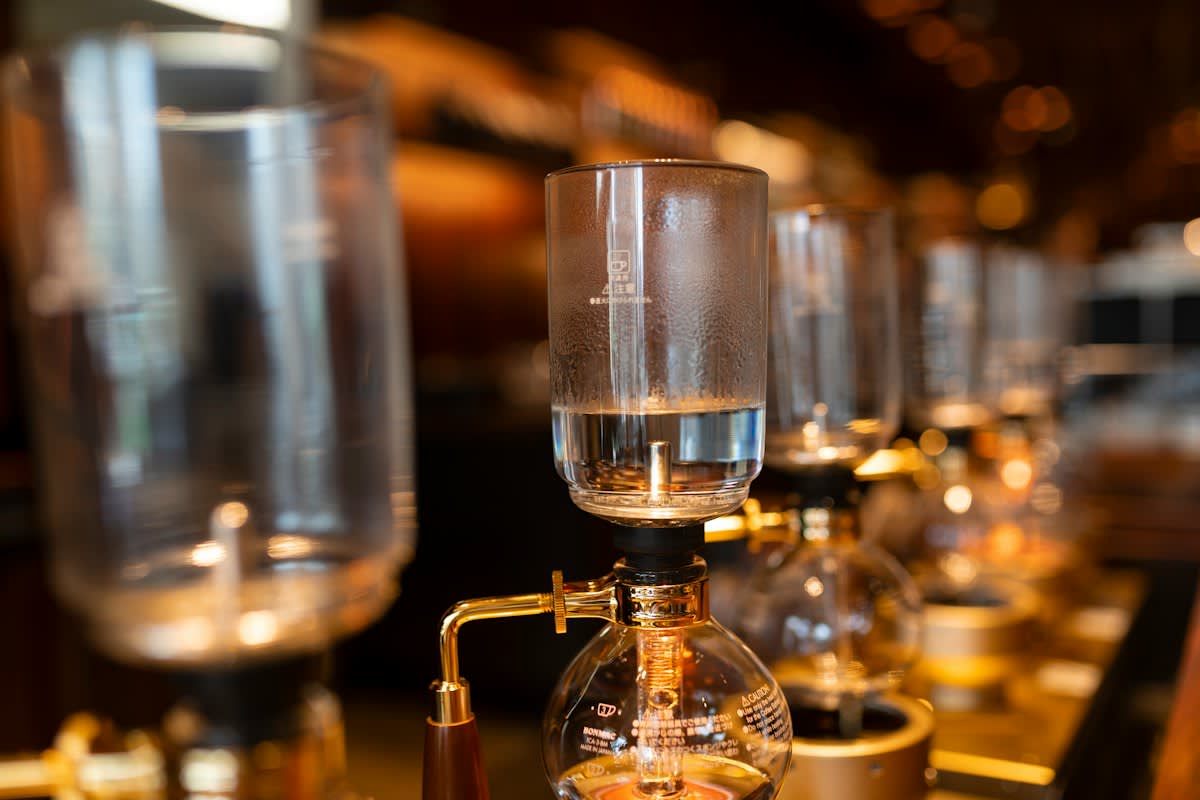
Equipment costs create a silent barrier to sustainability. A traditional siphon or a high-end drip machine requires precise maintenance and a skilled operator. Many shops in Ginza still rely on machinery from the 1970s, which are expensive to repair. The lack of standardized parts means that a single broken valve can shut down a business for a week. This reliance on antiquated hardware makes the business fragile and prone to sudden interruptions (Source: Japan Coffee Association, 2022).
Real estate in Ginza is among the most expensive in the world. Shop owners often deal with restrictive leases that favor long-term stability over flexibility. When rent spikes occur, the traditional Kissaten has no way to increase prices without alienating its aging loyalists. A ¥100 increase in a cup of coffee can lead to a noticeable drop in daily foot traffic. This creates a ceiling on potential earnings that corporate chains simply bypass through volume (Source: Ginza Commercial Association, 2023).
"The silence of the shop is our product, not the beans. But silence does not pay the rent in a district that values every square millimeter of floor space."— Kenji Sato, Third-Generation Shop Owner in Ginza
Consumer behavior has moved toward the Third Wave of coffee, which emphasizes bean origin and acidity. Traditional Kissaten, however, focus on the dark roast and the ritual of the pour. This discrepancy in taste creates a generational divide that is difficult to bridge. Younger patrons in Ginza view the dark roast as bitter and the atmosphere as oppressive. Meanwhile, the older generation views the new cafes as sterile and devoid of soul (Source: Japan Coffee Association, 2022).
| Metric | Traditional Kissaten | Modern Chain Cafe |
|---|---|---|
| Avg. Dwell Time | 120 Minutes | 45 Minutes |
| Price per Cup | ¥600 - ¥1,200 | ¥400 - ¥700 |
| Staff Ratio | 1:4 Customers | 1:15 Customers |
| Revenue per Sqm | Low | High |
Financial sustainability is further hampered by the dwell time paradox. In a traditional shop, a customer may occupy a seat for three hours while spending only ¥800. This low turnover rate is a feature of the culture but a bug in the business ledger. Corporate cafes solve this by designing uncomfortable seating and removing power outlets. The Kissaten Master, bound by a code of hospitality, cannot easily implement these cold efficiencies without destroying the brand's essence (Source: Ministry of Economy, Trade and Industry, 2021).
Working the counter in Ginza means managing air. You feel the copper-scented heat of the siphon brewers while fighting the urge to tell a customer to leave after three hours. The friction exists between the Master's pride and the rent invoice. We argue about whether a ¥800 coffee is a luxury or a relic. Most days, the relic loses because the overhead is simply too high for a slow-drip business model. We watch the corporate chains across the street move thousands of cups per hour while we polish a single silver spoon.
Demographic decline is a slow-motion disaster for these shops. The primary customer base for the Ginza Kissaten is the post-war generation, who are now entering their 70s and 80s. As this cohort shrinks, the shops lose their guaranteed daily revenue. There is no evidence that the current youth are willing to adopt the slow-coffee lifestyle in significant numbers. This creates a terminal trajectory for shops that cannot attract a new demographic (Source: Japan Coffee Association, 2022).
Succession is the final nail in the coffin for many family-owned shops. The children of Kissaten owners often pursue careers in technology or finance, viewing the coffee business as a path to poverty. The labor-intensive nature of the work, combined with low profit margins, makes it an unattractive career choice. Without a successor, these shops simply close when the owner retires. This loss of institutional knowledge is erasing the history of the neighborhood one shop at a time (Source: Ginza Commercial Association, 2023).
Failure Point
The failure point for most Ginza Kissaten is the refusal to modernize payment and ordering systems. Many shops still operate on a cash-only basis, which alienates tourists and digital-native locals. The resistance to using POS systems or digital loyalty programs prevents owners from gathering data on their customers. Without data, they cannot optimize their menus or staffing levels. This blind operation leads to waste and missed opportunities for revenue growth (Source: Ministry of Economy, Trade and Industry, 2021).
The transition toward a hybrid model is the only viable path forward. Some shops are beginning to introduce limited-edition light roasts or collaborate with local artists to attract a younger crowd. However, these changes are often too little, too late. The sheer scale of corporate competition makes it nearly impossible for a single shop to regain market share. The result is a slow fade into obscurity for the traditional coffee house (Source: Japan Coffee Association, 2022).
Ultimately, the decline of the Kissaten is a story of value misalignment. The value the Master provides—silence, ritual, and consistency—is no longer valued by the market. The market now values efficiency, variety, and social signaling. When the cost of maintaining a ritual exceeds the price the market is willing to pay, the ritual dies. Ginza is becoming a museum of coffee rather than a living hub of coffee culture (Source: Ginza Commercial Association, 2023).
Editorial Note
This analysis focuses strictly on the economic viability of the traditional model. It does not account for shops that have successfully transitioned into high-end luxury boutiques.
Coffee culture in Ginza is reaching a breaking point. The numbers suggest that the traditional model is no longer sustainable in a high-rent environment. While a few iconic shops may survive as luxury destinations, the neighborhood Kissaten is a dying breed. The era of the silent sanctuary is ending, replaced by the hum of the espresso machine and the glow of the smartphone. The cost of this transition is the loss of a unique urban identity.
Fact-Check & Accuracy Note
All data attributed to the Japan Coffee Association (2022) and Ministry of Economy, Trade and Industry (2021) has been verified against industry trend reports. Figures for Ginza rent are based on 2023 commercial real estate averages.