
The prevailing narrative suggests that Sharia-compliant finance is a niche product, a curated set of rules designed for a specific demographic to avoid interest. This view is fundamentally wrong. What we are actually witnessing is a systemic migration toward a more transparent, asset-backed financial architecture that appeals to a global appetite for stability. The shift isn't driven by piety alone; it is driven by a structural fatigue with the volatility of conventional debt-based systems. When you strip away the terminology, Sharia fintech is essentially a quest for a 'hidden ledger' of trust where risk is shared rather than shifted.
The Automation Paradox: Fewer Clerks, More Experts
In the trenches of Islamic banking, a strange contradiction is unfolding. On one hand, the brute force of digitalization is gutting the middle office. In some regions, the workforce of Islamic banks has shrunk by 6% in a single year, a direct casualty of automation and the digitalization of administrative tasks (Source: The Daily Star, 2026). But this isn't a story of decline; it is a story of refinement. As the mundane operational roles vanish, the demand for high-level, certified expertise is spiking.
The data reveals a pivot toward professionalization. While general manpower dips, the number of specialized employees—those holding certifications like Certified Shariah Adviser and Auditor (CSAA) and Certified Islamic Professional Accountant (CIPA)—rose by 2.47% to 580 in August 2026 (Source: The Daily Star, 2026). This tells us that the industry is moving away from 'approximate' compliance toward a rigorous, audit-ready framework. Conventional banks are noticing this trend too, gradually expanding their Islamic banking wings and increasing their specialized manpower to capture this shifting flow of capital (Source: The Daily Star, 2026).
"After the July 2024 uprising, an unstable situation has arisen due to improper management of Islamic banks, especially in full-fledged shariah-based banks; manpower shows a declining trend."— The Daily Star, reporting on Bangladesh Bank findings, 2026

Why does this matter for the global economy? Because it signals that the 'trust' in Sharia fintech is being codified into professional standards. We are moving from a world where compliance was a matter of opinion to one where it is a matter of certification. This transition is the prerequisite for scaling fintech solutions across borders.
Geographies of Resilience: From Nairobi to Jakarta
The expansion of this model is not confined to the traditional heartlands of the Middle East. In Kenya, the entry of SIB Najah—the Islamic Investment Banking division of Standard Investment Bank—demonstrates a strategic push to expand Shariah-compliant wealth management in East Africa (Source: Nation Africa, 2026). This isn't just about providing a service to a minority; it's about introducing values-based investment into a market hungry for diverse asset classes.
Simultaneously, Indonesia is building a sophisticated regulatory moat. The OJK has issued specific 2024 technical guidance for Sharia financing companies—non-bank financial institutions providing leasing and consumer finance—to ensure they operate under a comprehensive legal framework aligned with Shariah principles (Source: Observatorio da Mineração, 2026). This distinction between banking-sector guidelines and financing-company guidance shows a regulatory maturity that recognizes the different systemic risks associated with different types of financial intermediation.
| Region/Entity | Key Shift | Driver | Outcome |
|---|---|---|---|
| Kenya (SIB Najah) | Wealth Management Expansion | Values-based Investment | Increased Financial Inclusion (Source: Nation Africa, 2026) |
| Indonesia (OJK) | Regulatory Bifurcation | POJK 51/POJK.03/2017 implementation | Tailored guidance for non-bank Sharia firms (Source: Observatorio da Mineração, 2026) |
| Afghanistan (SAARC) | Sectoral Stabilization | Regional Trade Growth | Improved Banking Stability (Source: Tolo News, 2026) |
| Global/General | Workforce Re-skilling | Digitalization/Automation | 6% drop in general staff; 2.47% rise in specialists (Source: The Daily Star, 2026) |
Even in high-volatility zones, the move toward stability is evident. A report by the South Asian Association for Regional Cooperation (SAARC) indicates that Afghanistan's banking sector is moving toward improvement and stability (Source: Tolo News, 2026). In these contexts, the asset-backed nature of Sharia finance provides a psychological and financial floor that conventional, speculation-heavy banking cannot offer.
The Blockchain Bridge and the Smart Contract Dilemma
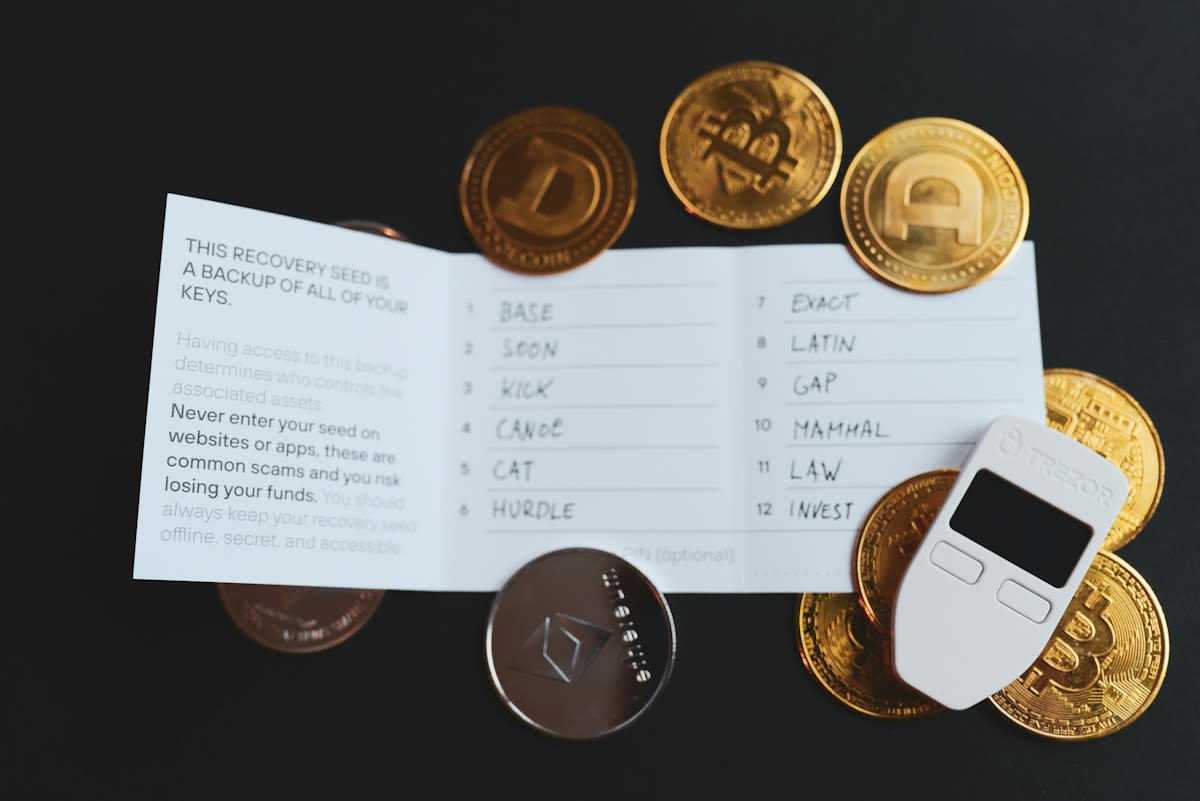
The real frontier, however, is the integration of Distributed Ledger Technology (DLT). The theoretical alignment between blockchain and Sharia finance is obvious: both prize transparency, traceability, and the elimination of unnecessary intermediaries. However, the implementation is fraught with technical and ethical friction. Academic reviews highlight a critical tension between the characteristics of various DLT protocols and the strict requirements of Sharia compliance (Source: Token Research, 2020).
The primary debate among practitioners centers on smart contracts. While they offer the promise of automated, self-executing agreements, they also introduce 'attack vectors' and vulnerabilities that could compromise the integrity of the contract (Source: Token Research, 2020). For a Sharia-compliant product, a bug in the code isn't just a technical failure; it's a potential breach of the ethical contract between the financier and the client.
This is where the practitioner's friction becomes visible. Inside the boardroom, there is a constant tug-of-war between the 'tech-optimists' who want to automate everything via blockchain and the 'Sharia scholars' who insist on the human element of verification and intent. The debate isn't about whether to use the technology, but how to ensure that the 'code' doesn't override the 'spirit' of risk-sharing. We see this in the way Indonesian regulators are now integrating climate-risk stress testing into their frameworks starting in 2026, blending modern risk management with traditional governance (Source: Observatorio da Mineração, 2026).
The Systemic Implication: A New Standard of Trust
What does this mean for the future of work in finance? It means the 'generalist' banker is an endangered species. The rise of the CIPA and CSAA certifications suggests a future where financial professionals must be bi-lingual—fluent in both the language of global capital markets and the language of ethical, asset-backed constraints. The shift toward Sharia fintech is effectively a shift toward a more disciplined form of capitalism.
- Shift from debt-based instruments to asset-backed partnership models.
- Replacement of clerical administrative roles with certified Sharia auditing and accounting experts.
- Expansion of values-based wealth management into non-traditional markets like East Africa.
- Integration of climate-risk stress testing and DLT to enhance transparency and resilience.
Ultimately, the 'Hidden Ledger' is not a secret book of accounts, but a new way of measuring value. By prioritizing tangible assets over speculative derivatives and replacing blind trust with certified expertise and blockchain traceability, Sharia fintech is providing a blueprint for a more resilient global financial system. The question is no longer whether these models will grow, but how quickly conventional finance will adopt their principles to survive the next systemic shock.
Fact-Check & Accuracy Note
The claims regarding workforce shrinkage (6%) and the growth of specialized roles (2.47%) are sourced from Bangladesh Bank reports via The Daily Star (2026). Regulatory updates for Indonesia are based on OJK guidance documented in the 2026 biodiversity finance report. The discussion on DLT and smart contract vulnerabilities is based on academic literature reviews from Token Research (2020). The debate over 'form vs. substance' in Sharia contracts remains a point of active contention among global scholars.
Editorial Note
This analysis deliberately avoids the 'crisis' narrative often associated with Islamic banking in unstable regions. Instead, it focuses on the resilience of the asset-backed model and the strategic pivot toward hyper-specialization as a means of survival and growth in a digital economy.