Elon Musk responds to statement that he may be in jail soon
Source Entity
TOI TECH DESK
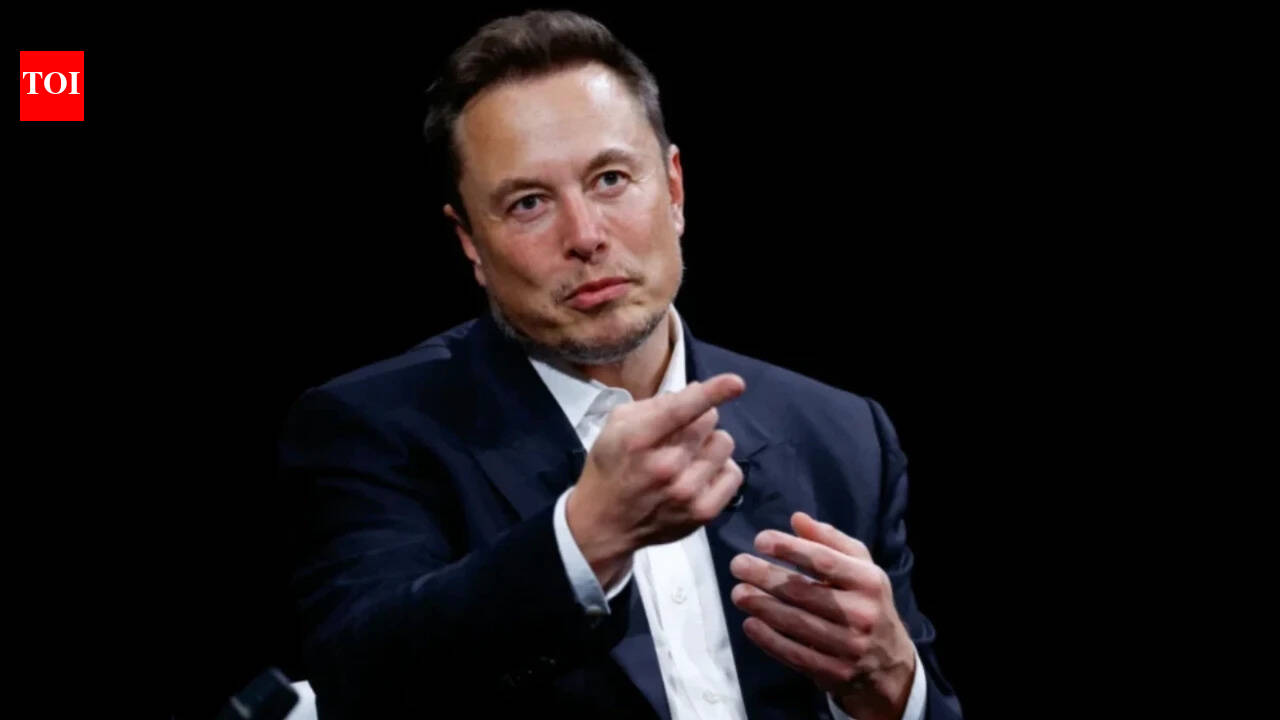
Elon Musk has invested $366 million into the 2026 midterm elections to influence congressional control and protect his business interests. His companies, SpaceX and Tesla, face significant regulatory and financial stakes tied to federal oversight and government contracts.
The Convergence of Capital and Governance
Elon Musk’s recent infusion of $366 million into the 2026 midterm election cycle represents an unprecedented intersection of private corporate interest and public legislative power. By targeting the composition of the Senate, Musk is not merely engaging in ideological advocacy; he is strategically positioning his business empire—specifically SpaceX and Tesla—to navigate a volatile regulatory landscape. As these companies rely increasingly on federal partnerships, the outcome of these elections serves as a referendum on the oversight mechanisms that govern his technological ventures.
The Economic Stakes of Federal Contracts
The financial dependency of Musk’s enterprises on the federal government is staggering. According to data from FedScout, SpaceX has secured $6.78 billion in federal contracts through October 2026, a figure that nearly doubles its 2024 total. This rapid escalation in government spending highlights the critical nature of political alignment. Whether it involves launch licenses, spectrum allocation, or defense-related procurement, SpaceX’s operational viability is inextricably linked to the favor and approval of federal agencies, making congressional control a matter of bottom-line survival.
Regulatory Scrutiny and Political Backlash
Musk’s political activism has invited significant scrutiny from political figures and industry observers alike. Journalist Kara Swisher has publicly posited that a shift in congressional control—specifically if Democrats regain the majority—could trigger renewed investigations into Musk’s business dealings. This potential for legislative oversight is mirrored by the vocal opposition of figures like Senator Bernie Sanders, who has criticized the influence of ultra-wealthy individuals on democratic processes. These concerns reflect a broader anxiety regarding the concentration of power and the potential for corporate interests to bypass traditional democratic accountability.
The Paradox of Protective Ties
While Musk’s financial support is intended to secure a favorable political environment, it simultaneously draws a target on his back. The narrative that his political contributions might serve as a shield against scrutiny is being tested against the reality of institutional checks and balances. The prospect of future probes suggests that Musk’s aggressive political maneuvering could backfire, potentially inviting the very regulatory investigations he seeks to avoid. This creates a high-stakes environment where every dollar spent on political campaigns creates a corresponding increase in the intensity of political opposition.
Future Trends in Corporate-Political Synergy
Looking ahead, the 2026 midterms may signal a permanent shift in how American tech titans interact with the state. As Musk continues to integrate his AI ventures and aerospace operations with federal requirements, the line between private business strategy and public electioneering will likely continue to blur. If this trend holds, we can expect to see increased volatility in corporate stocks linked to election cycles, as the market begins to price in the risks associated with a CEO whose personal political capital is as significant as his company's technological output.