Govt plans colour-coded DLs for Indians, foreigners; may scrap affidavits
Source Entity
DIPAK K DASH
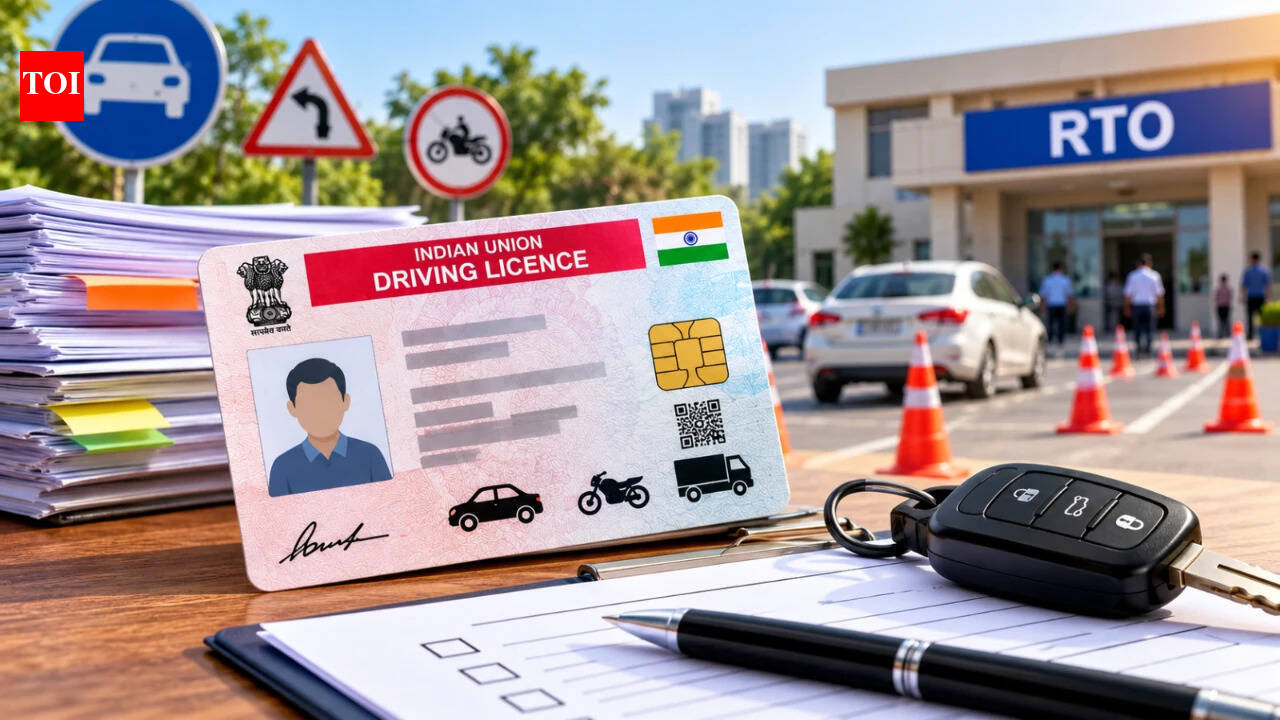
The Ministry of Road Transport and Highways has proposed major reforms to the Indian driving licence system, including colour-coded cards for citizens and foreigners. The draft notification also mandates including emergency contact details and raises the safety assessment pass mark to 75%.
Overhauling the Indian Driving Licence Regime: A Strategic Shift
The Ministry of Road Transport and Highways (MoRTH) has unveiled a significant draft notification aimed at modernizing India’s driving licence (DL) system. By proposing distinct colour-coded PVC cards for Indian citizens and foreign nationals, the government is moving toward a more standardized and easily identifiable regulatory framework. This initiative not only enhances administrative clarity but also aligns India’s transport documentation with international security standards.
Strengthening Identity and Data Security
One of the most critical aspects of this proposal is the removal of affidavits sworn before a notary or executive magistrate as valid proof of age and address. Historically, these documents have been susceptible to misuse or forgery, undermining the integrity of the licensing process. By phasing out these affidavits and excluding life insurance policies as acceptable proof, the government is narrowing the scope for fraudulent documentation, thereby ensuring that only verified, government-recognized identity markers are utilized.
Prioritizing Public Safety and Emergency Response
Beyond administrative documentation, the draft amendments prioritize the safety of road users by mandating that DLs include the holder’s blood group, mobile number, and emergency contact information. This integration of critical health data onto the licence card is a proactive measure that could prove life-saving in the event of road accidents. By providing first responders with immediate access to blood types and emergency contacts, the government aims to reduce the response time for medical interventions.
Elevating Driver Competency Standards
The proposal further addresses the quality of drivers on Indian roads by increasing the pass mark for the online safe-driving tutorial assessment from 60% to 75%. This shift reflects a more rigorous approach to driver education, ensuring that applicants possess a deeper understanding of road safety protocols before they are permitted to operate vehicles. This move acknowledges the growing complexity of urban traffic and the necessity for higher cognitive engagement from drivers.
Broader Implications and Future Trends
These reforms signify a broader trend toward the digitization and hardening of identity verification systems in India. By utilizing Form 7 and standardized PVC card formats, the government is creating a more durable and tamper-evident document. As India continues to integrate its transport infrastructure, these changes are expected to streamline enforcement, improve the reliability of national transport databases, and enhance the overall safety culture on highways and city streets alike. The transition to a more data-centric, secure licensing system is a vital step in the evolution of India's transport governance.