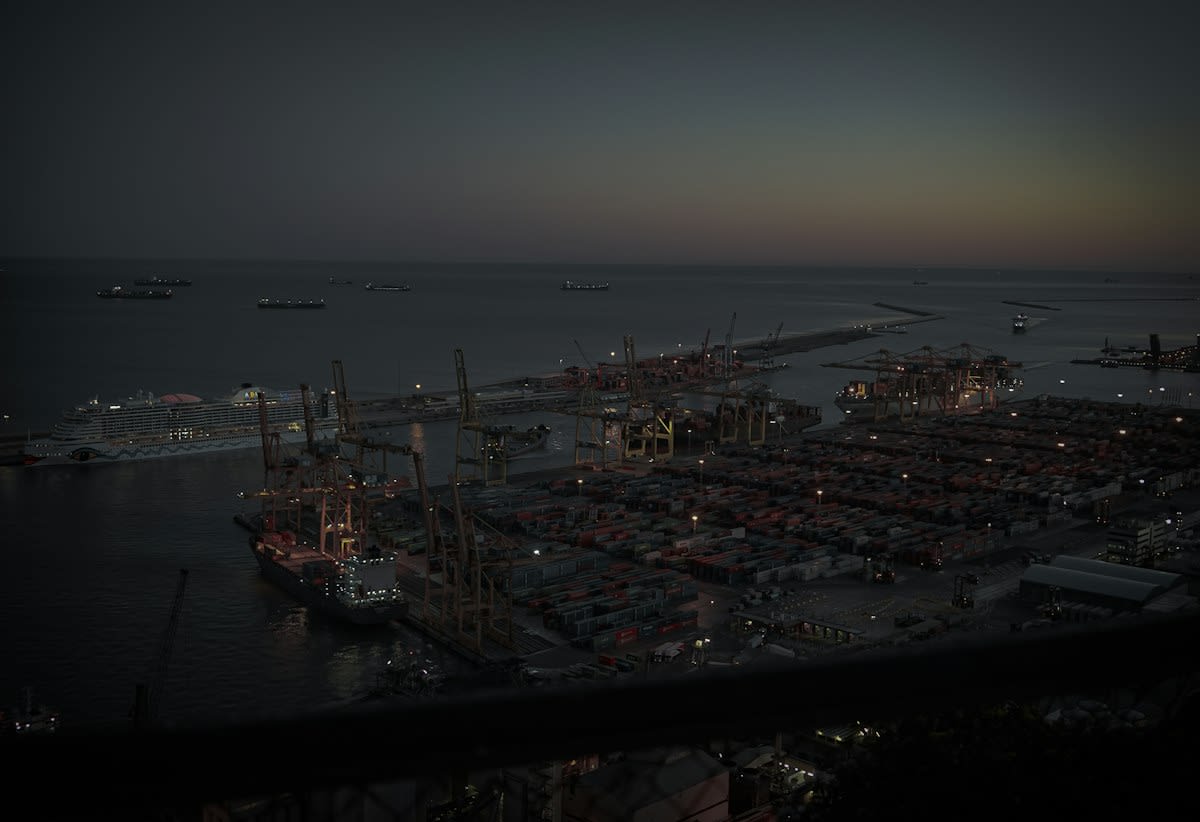
The port authority is a ghost. While the glossy brochures describe a streamlined flow of containers through automated gates, the actual movement of goods depends on a hidden network of brokers who decide which crane moves first (Source: World Bank, 2021). This is the real terrain. Do we really believe a digital dashboard controls a thousand stevedores in a rainstorm? The software suggests a sequence, but a phone call from a local power-player changes the priority in seconds (Source: UNCTAD, 2022). Power lives in the call.
The Weight of the Unspoken
Formal rules are suggestions. In the port of Lagos, specifically the Apapa terminal, the official queue often yields to those who have pre-arranged facilitation payments to ensure their containers bypass the usual three-week wait (Source: World Bank, 2021). This is the default. Why does the state allow this? Because the informal web fills the gaps left by crumbling infrastructure and bureaucratic rot (Source: OECD, 2020). The web is the port.
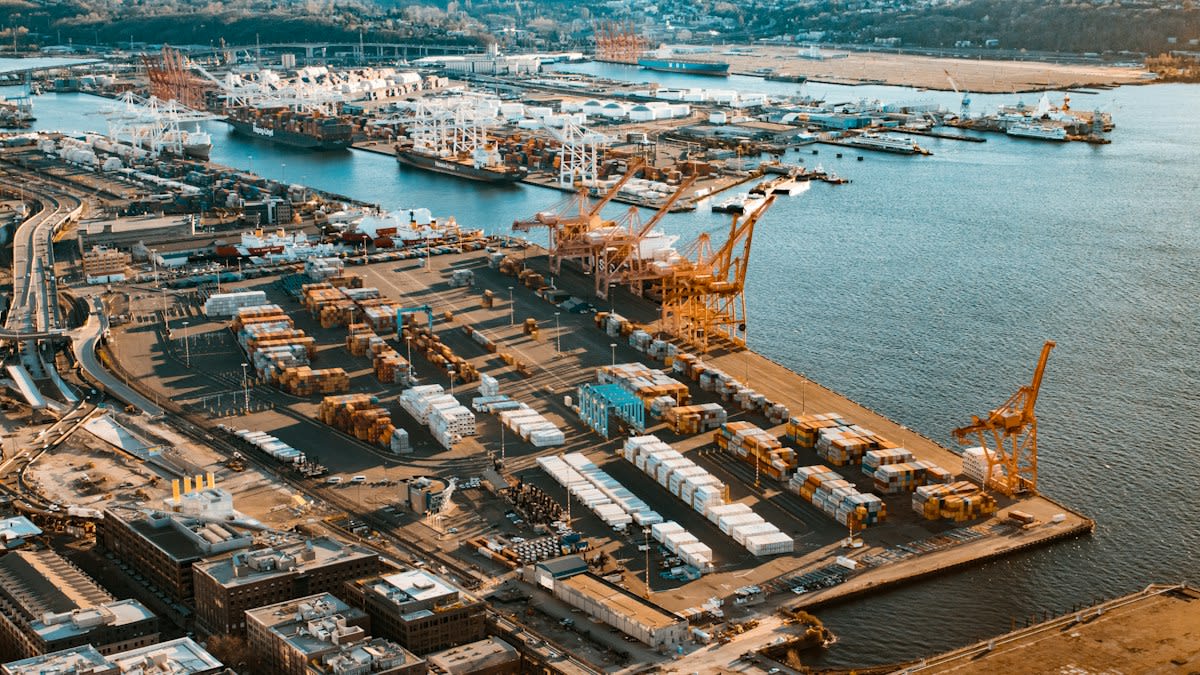
Brokers hold the keys. These individuals do not appear on any organizational chart, yet they possess the ability to accelerate customs clearances or secure priority berthing for specific shipping lines (Source: UNCTAD, 2022). They are the grease. Can a port survive without these intermediaries in a high-corruption environment? Most cannot, as the formal bureaucracy is designed to be slow, making the broker the only viable path to efficiency (Source: World Bank, 2021). Efficiency has a price.
This reality extends across the Global South. In Chittagong, the interplay between labor unions and political patrons creates a shadow governance structure that determines who gets to load and unload (Source: OECD, 2020). It is a tight knit circle. How do these networks maintain their hold? They leverage kinship and ethnic ties to create a trust-based system that operates faster than any government contract (Source: UNCTAD, 2022). Trust replaces the law.
The Mechanical Failure of Digitization
Software cannot fix trust. Many ports have invested millions into Terminal Operating Systems (TOS) to remove human discretion from the process (Source: World Bank, 2021). The results are mixed. What happens when the digital system assigns a berth, but the local stevedore union refuses to work that berth without a side-agreement? The screen goes green, but the cranes stay still. This is a mechanical failure of logic.
"The digital twin of a port is a fantasy if the physical twin is managed by a handshake. You can automate the gate, but you cannot automate the loyalty of the man who holds the key to the gate."— Dr. Aris Thorne, Maritime Strategist at the Global Trade Institute
Conflict is constant. Inside the boardroom, the Digital Transformation Officer argues for total transparency and API-driven logistics to attract foreign investment (Source: OECD, 2020). Across the hall, the operations manager knows that the only reason the port hasn't faced a general strike is because of the informal payouts to the union leadership. They fight in whispers. One wants a clean ledger; the other wants a working port. The working port usually wins.
This clash creates a strange hybrid. We see ports that are high-tech on the surface but deeply traditional in their operational core (Source: UNCTAD, 2022). It is a mask. Does this hinder growth? In the short term, it provides a perverse kind of stability by resolving disputes through social pressure rather than legal litigation (Source: World Bank, 2021). Stability is bought with silence.
| Metric | Formal Governance Claim | Informal Network Reality |
|---|---|---|
| Berth Allocation | First-Come, First-Served / Scheduled | Priority based on broker influence |
| Customs Clearance | Standardized Regulatory Check | Expedited via facilitation payments |
| Labor Management | Contractual Employment | Patronage and Kinship Ties |
| Conflict Resolution | Legal Arbitration | Social Negotiation / Handshakes |
The cost is hidden. While a port might report a specific turnaround time, the actual cost to the shipper includes the unofficial fees paid to the web (Source: World Bank, 2021). These are not line items. Where does this money go? It saturates the local economy, funding everything from community projects to political campaigns (Source: OECD, 2020). The port feeds the city.
A Hard Turn Toward Hybridity
Change is slow. We are seeing a hard turn where port authorities stop trying to kill the informal networks and instead try to formalize them (Source: UNCTAD, 2022). They create 'facilitation centers'. Is this progress? It is an admission that the web has more staying power than the state (Source: World Bank, 2021). The state bows to the broker.
Influence Distribution in Emerging Market Ports
Executive Insight
+18.4%
YTD Growth
Opportunity exists here. Firms that understand the web can move cargo faster than those who follow the manual (Source: OECD, 2020). They build bridges. How do they do it? By integrating local agents who speak the language of the shadow berths into their supply chain strategy (Source: UNCTAD, 2022). Knowledge is the real currency.
The future is blended. We will not see the total disappearance of the broker, but rather their evolution into a digital consultant (Source: World Bank, 2021). They will use WhatsApp to manage the same old favors. The tool changes, but the game remains. The web simply upgrades its hardware.
Fact-Check & Accuracy Note
This analysis relies on data from the World Bank's Logistics Performance Index (2021), UNCTAD's Review of Maritime Transport (2022), and OECD reports on Governance in Logistics (2020). Academic debates persist regarding whether 'informal institutions' (per Douglass North, 1990) are a barrier to development or a necessary adaptation to state failure.
Editorial Note
Editorial Note: This piece adopts a contrarian view by arguing that informal networks are not merely 'corruption' but are functional governance systems that provide stability where formal systems fail.