The Death of the Sterile Campus
For decades, the tech industry worshipped at the altar of the corporate campus—manicured lawns, glass-walled pods, and an intentional isolation from the surrounding city. That era is ending. This month, we are seeing a definitive pivot toward integrated, high-density hubs that breathe life into existing, often gritty, urban and rural infrastructures. Why the change? The industry has realized that the next leap in innovation requires more than just fast Wi-Fi; it requires proximity to heavy industry, power grids, and specialized labor pools that don't live in luxury condos.
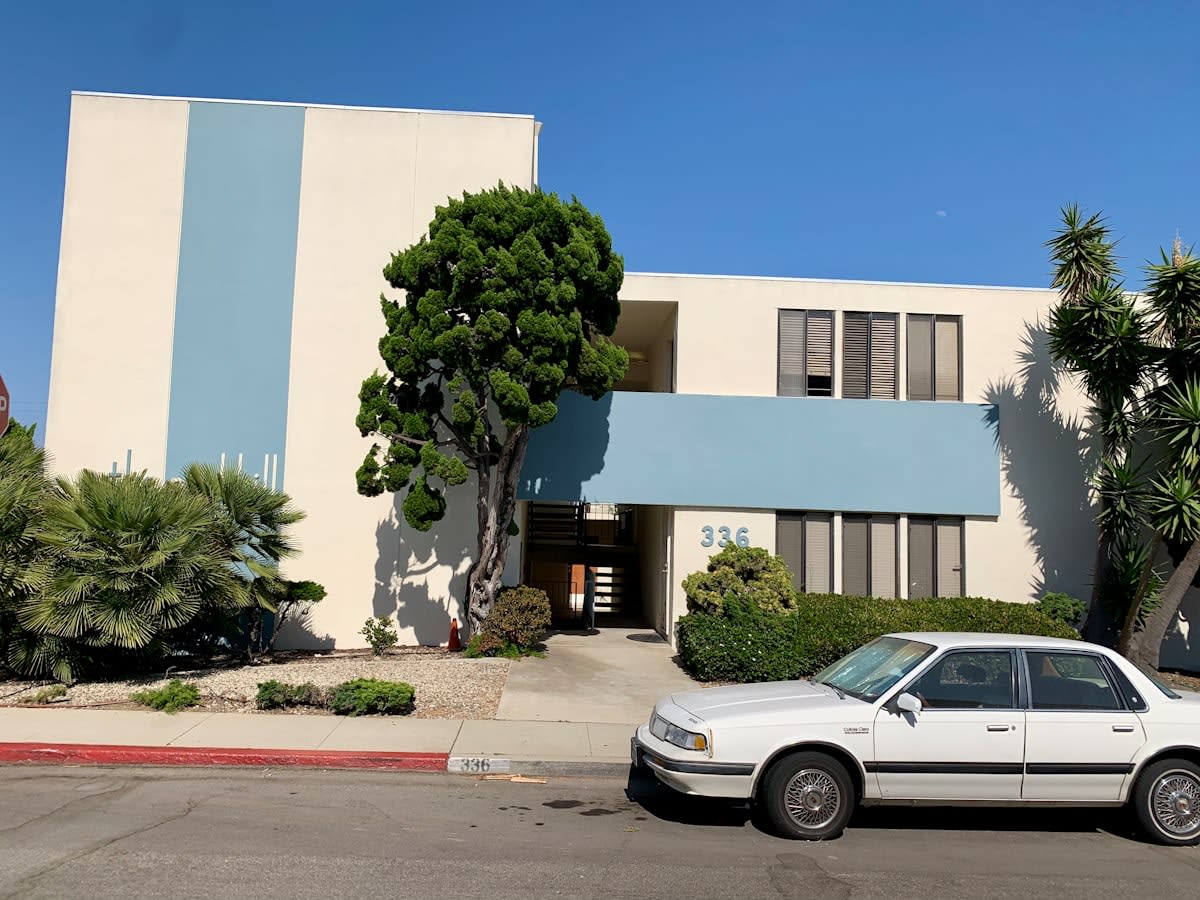
Look at El Segundo. Once a town characterized by its refineries and warehouses—facetiously dubbed Smell Segundo—it has reinvented itself as a dense high-tech hub (Source: Los Angeles Times, 2026). It didn't build a new city from scratch. Instead, it repurposed its deep history in aerospace, oil, and defense to attract SpaceX spinoffs, Mattel, and white-collar firms. This is the new playbook: find a place with existing industrial bones and overlay it with 21st-century capital.

The transition in El Segundo wasn't accidental. City leaders actively scrapped gross-receipts taxes and overhauled infrastructure to court these businesses, turning old office parks into prized addresses (Source: Los Angeles Times, 2026). This shift represents a broader global trend where the delta between 2025 and 2026 is clear: we have moved from the 'Remote Work' obsession to a 'Strategic Proximity' era. Companies are no longer asking if employees can work from home, but rather how close they can get to the physical infrastructure of their product.
The Rural Data Goldmine
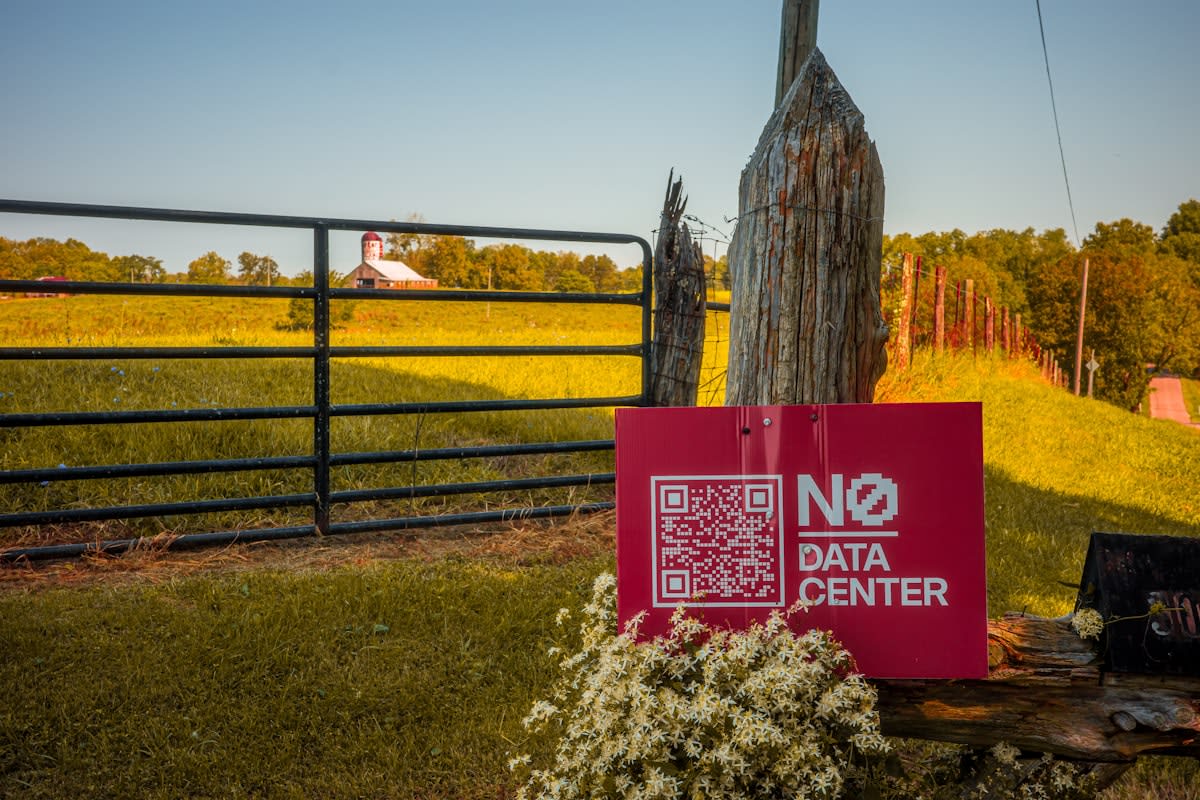
While urban centers are repurposing warehouses, rural communities are becoming the invisible backbone of the AI revolution. Data centers are the new factories, but they don't always bring the same social contract as the mills of the 19th century. They demand massive amounts of electricity, water, and land, often sparking friction with the residents of the village squares they occupy (Source: Newsweek, 2026). The tension is palpable. How do you justify a massive, humming monolith in a quiet countryside when the local water table is at risk?
"It can't just be the developers in Silicon Valley who are becoming wealthy from this revolution."— Sam Lyman, Head of Research at the Bitcoin Policy Institute
To mitigate this backlash, a new economic model is emerging: data center dividends. The Bitcoin Policy Institute proposes returning a portion of the property tax revenue generated by AI data centers directly to local households (Source: Fox News, 2026). This isn't just a tax break for the city; it is a direct payment to the people. We are talking about potential annual payments between $4,500 and $8,900 per household (Source: Fox News, 2026). This is a bold attempt to turn rural resentment into rural investment.
| Stakeholder | Primary Concern | Proposed Incentive |
|---|---|---|
| Rural Homeowners | Water/Land Disruption | Direct Dividends ($4.5k-$8.9k) |
| Tech Developers | Zoning/Infrastructure Costs | Streamlined Permitting |
| Local Government | Grid Stability | Increased Property Tax Base |
Despite these financial lures, the psychological gap remains wide. A recent poll indicates that 53 percent of people believe AI will do more harm than good regarding jobs and the workplace (Source: Newsweek, 2026). The fear isn't just about automation; it is about the physical imposition of tech infrastructure on landscapes that have remained unchanged for centuries.
Accelerating the Lab-to-Market Pipeline
This movement toward integrated hubs isn't limited to industrial zones or rural fields; it is infiltrating the academy. Traditionally, universities have been slow to move research from the lab to the customer. The University of Houston is attempting to break this cycle with a new digital health hub designed specifically to speed up the creation of healthcare technology (Source: Modern Healthcare, 2026). By embedding the hub within the university ecosystem, they are attempting to bridge the gap between theoretical research and commercial viability.
However, the speed of this tech integration is colliding with a strained workforce. Employers are pursuing growth while facing constrained teams and elevated turnover (Source: PR Newswire, 2026). The friction isn't just in the zoning boards; it is in the HR departments. There is a desperate scramble to adapt to new technologies while the people tasked with implementing them are burnt out.
From the ground level, this looks like a messy tug-of-war. In these new hubs, you have legacy residents who remember the refineries and the quiet farmland arguing with 26-year-old engineers who see a warehouse as a blank canvas. The debates in city council meetings are no longer about potholes; they are about megawatts and fiber-optic latency. Professionals in the field are arguing over whether the dividend model is a sustainable social contract or merely a bribe to silence local opposition.
The New Talent Equilibrium
As these hubs proliferate, the way we manage talent is also shifting. AI is no longer just a product being built; it is the tool being used to manage the people building it. According to Gallagher's 2026 US Talent Benchmarks report, 73 percent of employers are likely to increase the adoption of AI in HR by 2028 (Source: PR Newswire, 2026). This suggests a future where the administration of these new, geographically dispersed hubs is handled by algorithmic efficiency.
The resulting landscape is a fragmented but resilient network of innovation. We are moving away from the monoculture of Silicon Valley toward a polycentric model. Whether it is a digital health hub in Houston, a space-tech cluster in El Segundo, or a data center in a rural Texas town, the goal is the same: integrate the digital world into the physical one, regardless of how old the square is.
Editorial Note
This shift reflects a broader transition from 'Growth at all Costs' to 'Strategic Integration.' The focus has moved from building new ecosystems to hacking existing ones for efficiency and power.
Fact-Check & Accuracy Note
Key claims regarding El Segundo's transformation are sourced from the Los Angeles Times (2026). Data on AI HR adoption and workforce pressures are attributed to Gallagher's 2026 US Talent Benchmarks (Source: PR Newswire, 2026). The 'data center dividends' proposal and associated figures are sourced from the Bitcoin Policy Institute via Fox News (2026). The debate over AI's impact on jobs is based on polling data cited by Newsweek (2026).