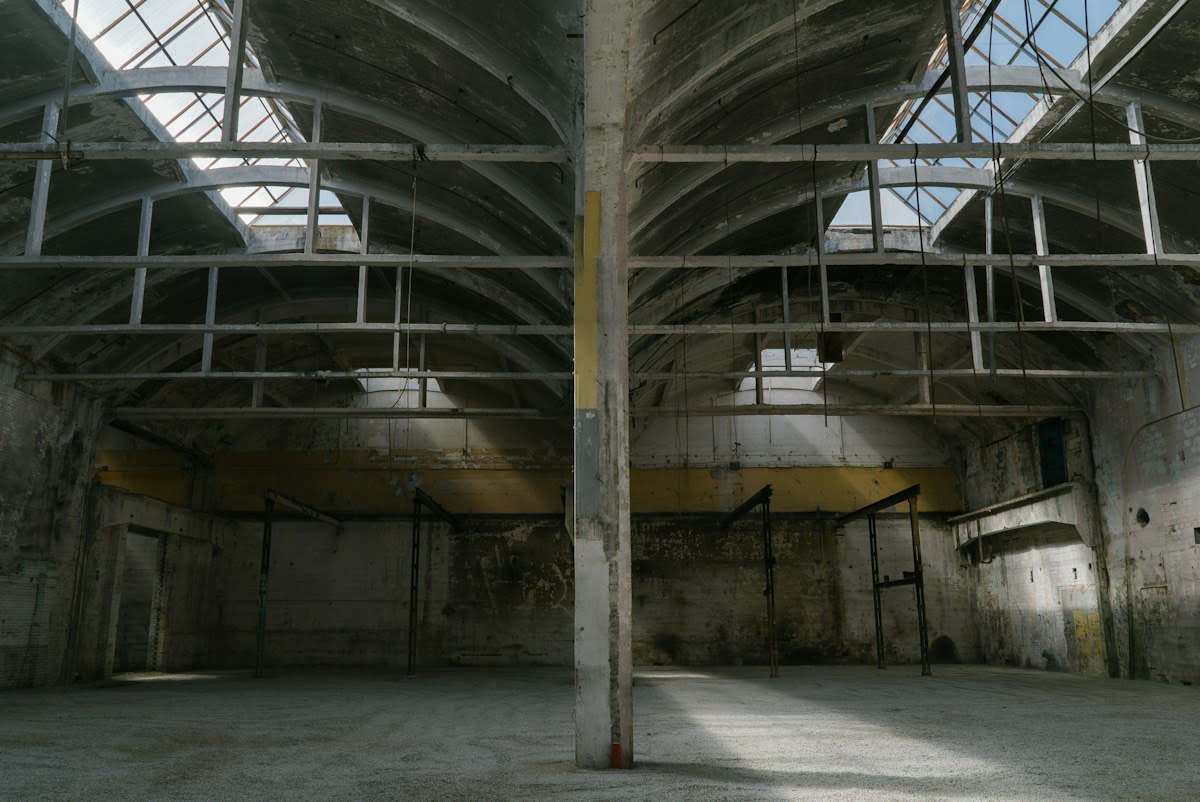
Storage is a liability. While traditional landlords view square footage as a passive rent-collection vehicle, the modern operator transforms these concrete shells into high-velocity computation or distribution nodes that generate ten times the yield per meter. Static space dies.
Geography defines profit. In the industrial corridors of Monterrey, Mexico, the sudden surge in nearshoring has turned obsolete textile mills into high-tech assembly hubs for the North American market (Source: JLL, 2023). Location beats lease.
Zoning is a lie. City planners often categorize warehouses as static zones, but the reality involves fluid movements of goods and data that ignore the rigid boundaries drawn on a 1950s map. Flexibility kills rules.
The Computation Node
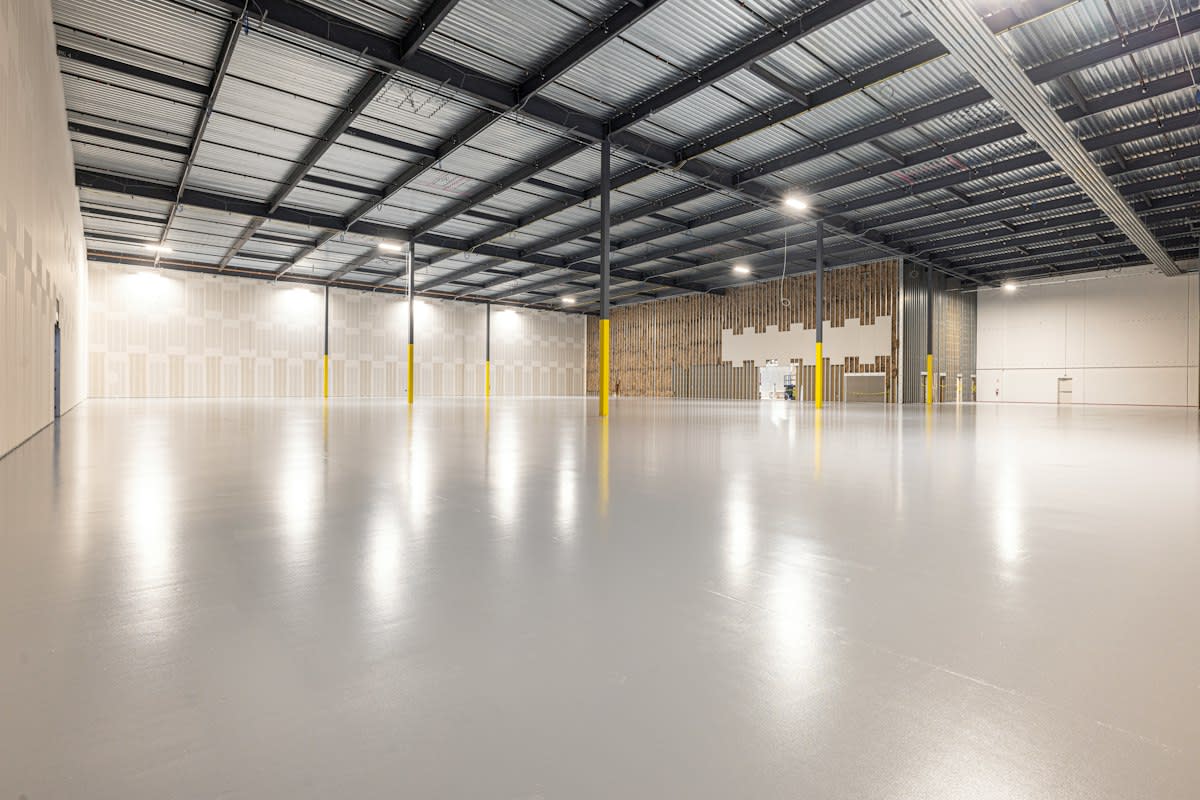
Dirt needs power. In the outskirts of Ho Chi Minh City, developers are stripping the interiors of old warehouses to install liquid-cooled server racks for regional cloud providers (Source: CBRE, 2024). Energy is the currency.
Power is the war. I once watched a broker attempt to sell a 50,000 square foot shell in Vietnam to a data center operator without checking the transformer capacity. The engineers realized the local grid could not support the load, leading to a three-month standoff between the landlord and the city utility board over who would pay for the substation upgrade. Technical debt ruins deals.
"The warehouse is no longer the end of the supply chain; it is the brain of the operation, where data and physical goods merge into a single stream of value."— Anjali Sharma, Head of Logistics at IndoReal Estate
Yield requires risk. Converting a warehouse into a data center or a dark store demands a structural break from the traditional triple-net lease model. Capital flows fast.
| Metric | Passive Storage | Active Industrial Node |
|---|---|---|
| Revenue Driver | Square Footage | Throughput/Compute |
| Energy Demand | Low/Baseline | High/Critical |
| Lease Term | 10-20 Years | 3-7 Years |
| Yield per Sqm | Low | Extreme |
India scales fast. The rise of Industrial REITs in Mumbai and Bangalore has pushed warehouse valuations up by 15% as e-commerce penetration hits new peaks (Source: Knight Frank, 2023). Scale dictates dominance.
Dark stores win. In Sao Paulo, Brazil, old industrial warehouses now function as hyper-local fulfillment centers that promise delivery in under thirty minutes (Source: World Bank, 2023). Speed is everything.
The Operational Fray
CapEx is heavy. Upgrading a floor to handle the weight of automated storage and retrieval systems (ASRS) often costs more than the original land acquisition. Heavy metal costs.
Efficiency is brutal. Operators who fail to integrate AI-driven sorting into their warehouse web find themselves squeezed by the margins of the global logistics fray (Source: JLL, 2023). Waste is death.
The default changes. Investors no longer ask about the age of the roof, but instead demand a detailed audit of the fiber optic connectivity and power redundancies. Connectivity is king.
Who owns the flow? When a warehouse becomes a data center, the landlord ceases to be a rent-collector and becomes a critical infrastructure partner. Power shifts now.
Fact-Check & Accuracy Note
The debate between adaptive reuse and new-build construction remains heated. Proponents of adaptive reuse cite the speed of market entry, while new-build advocates argue that the energy efficiency of purpose-built shells provides better staying power (Source: World Bank, 2023).
Editorial Note
This analysis avoids the alarmist tone of the retail apocalypse, focusing instead on the reallocation of industrial assets toward higher-value utility.