
Saffron demands absolute purity. 11% of saffron samples tested between 2019 and 2021 were suspicious of adulteration (Source: European Commission, 2021). High unit value attracts bad actors who mix authentic threads with fillers. Buyers must move beyond visual checks to ensure they are not purchasing expensive dust. Verifiable purity requires a strict chain of custody and scientific validation.
Prerequisites for Purity
Securing a clean supply chain requires specific tools and standards before any purchase occurs. Buyers cannot rely on supplier promises alone. You need access to laboratory testing that exceeds basic color checks. Documentation must be transparent, tracing the product from the specific harvest region to the final packaging facility. Without these elements, the risk of purchasing adulterated spice remains high.
- ISO 3632 Certification: The global standard for assessing color, aroma, and bitterness.
- NMR Fingerprinting Access: High-resolution nuclear magnetic resonance testing for chemical profiling.
- Climate-Controlled Storage: Facilities that prevent moisture exposure and degradation.
- Verified Supplier Documentation: Traceable records of harvest dates and drying methods.
Post-Harvest Management Standards
Cultivation is only half the battle for quality. Drying, storage, and handling are just as essential as the initial crop (Source: OpenPR, 2026). Moisture exposure can destroy the sensory properties that define premium saffron. If the drying process is rushed or improper, the chemical profile degrades, making the product more susceptible to adulteration. Producers must implement strict post-harvest guidance to ensure laboratory quality is retained through the supply chain.
"The FAO initiative focuses on practical post-harvest guidance to help preserve saffron's key sensory properties between harvest and sale."— FAO Representative, Post-Harvest Initiative
Managing moisture is the primary friction point in the supply chain. Saffron that is not dried correctly becomes a magnet for mold and degradation. This degradation often leads suppliers to 'enhance' the product with synthetic dyes to hide the loss of natural color. By the time the spice reaches the importer, the original quality is gone, replaced by a chemically altered version of the spice.
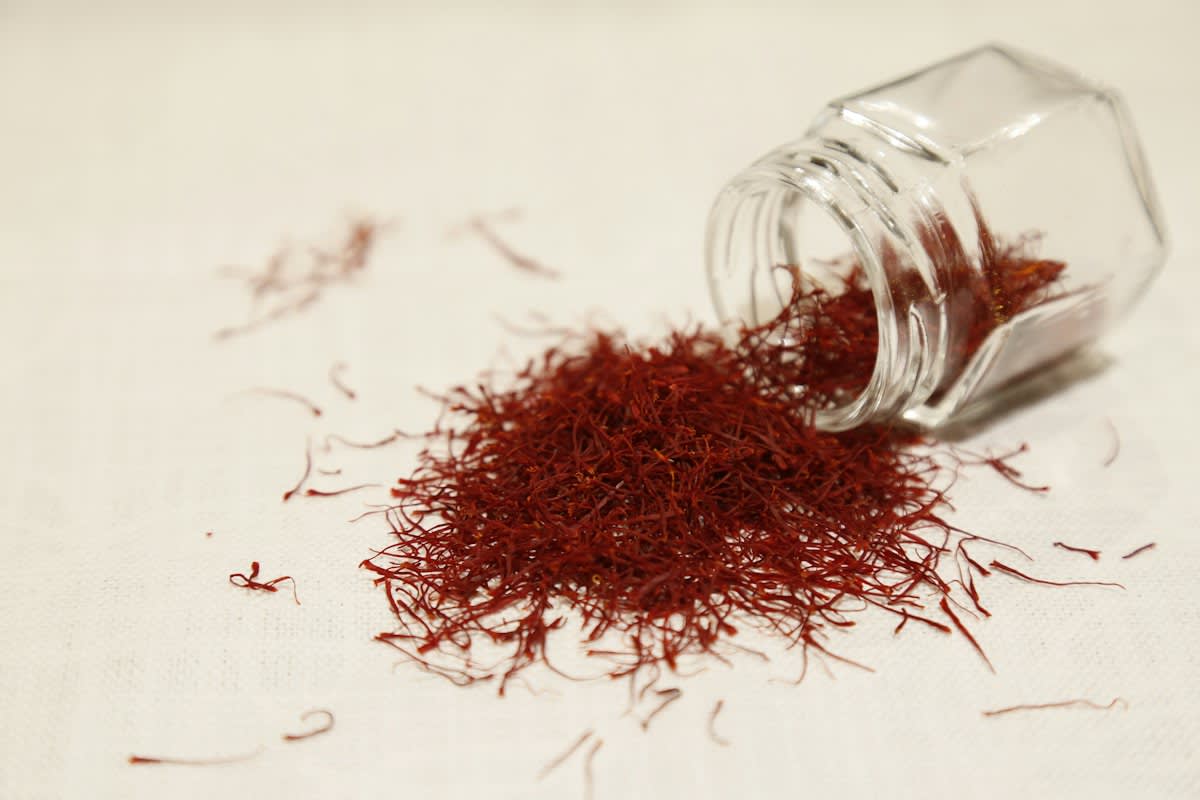
Verification steps must be sequenced to catch fraud early. Relying on a single test is a mistake. Most adulteration is now sophisticated enough to bypass basic sensory evaluations. A multi-layered approach combining international standards with advanced chemical analysis is the only way to guarantee authenticity.
Step-by-Step Verification Process
- Source Validation: Request harvest certificates from regions like Afghanistan, which has recorded valuations of US$54 (Source: OpenPR, 2026).
- Initial Grading: Apply ISO 3632 methods to measure color, aroma, and bitterness levels.
- Chemical Profiling: Use NMR fingerprinting to examine the broader chemical profile against validated reference data.
- Moisture Audit: Check storage logs for humidity levels to ensure no post-harvest degradation occurred.
- Documentation Match: Compare laboratory results with supplier claims to identify any discrepancies in purity.
NMR fingerprinting provides a layer of security that ISO 3632 cannot. While ISO 3632 is excellent for grading quality, it may not identify subtle differences or sophisticated forms of adulteration (Source: OpenPR, 2026). NMR looks at the molecular level, creating a unique chemical map of the sample. This map is then compared to a known authentic reference, making it nearly impossible for adulterants to go unnoticed.
| Test Method | Focus Area | Detection Capability | Limitation |
|---|---|---|---|
| ISO 3632 | Sensory/Color | Basic Purity | Misses subtle adulterants |
| NMR Fingerprinting | Chemical Profile | High-Res Authenticity | Higher cost per test |
Practitioners in Mumbai's Colaba district often face real-world friction during these checks. Quality officers argue over the copper-scented aroma of a batch while the NMR data suggests a mismatch. This tension exists because traditional spice traders rely on sensory experience, whereas modern importers require data-driven proof. The gap between 'smelling' purity and 'proving' purity is where most supply chain disputes occur.

Maintaining this standard requires constant vigilance. The market for high-value spices is volatile, and the methods used to cheat the system evolve. What worked for verification last year may not stop today's synthetic dyes. Continuous updating of reference data in NMR libraries is essential for long-term security.
Failure Points in the Supply Chain
Most purity failures happen after the harvest. Poor drying techniques lead to moisture trapped in the threads, which degrades the crocin and safranal content. Once the quality drops, the incentive for suppliers to adulterate the product increases. This creates a cycle where poor post-harvest management leads directly to market fraud.
- Over-reliance on visual grading: Trusting the red color without chemical testing.
- Poor storage: Allowing humidity to compromise the chemical profile during transit.
- Lack of NMR testing: Using only ISO 3632 and missing sophisticated fillers.
- Incomplete traceability: Failing to verify the specific harvest conditions of the producer.
Addressing these failures requires a shift in how buyers view the product. Saffron should be treated as a chemical compound rather than just a food ingredient. When the focus moves to the molecular profile, the loopholes used by adulterators close. This rigorous approach protects the buyer's investment and the end consumer's health.
Fact-Check & Accuracy Note
This guide is based on data from the European Commission (2019-2021) and OpenPR reports (2026). All purity claims should be verified through independent third-party laboratories using ISO 3632 and NMR standards.