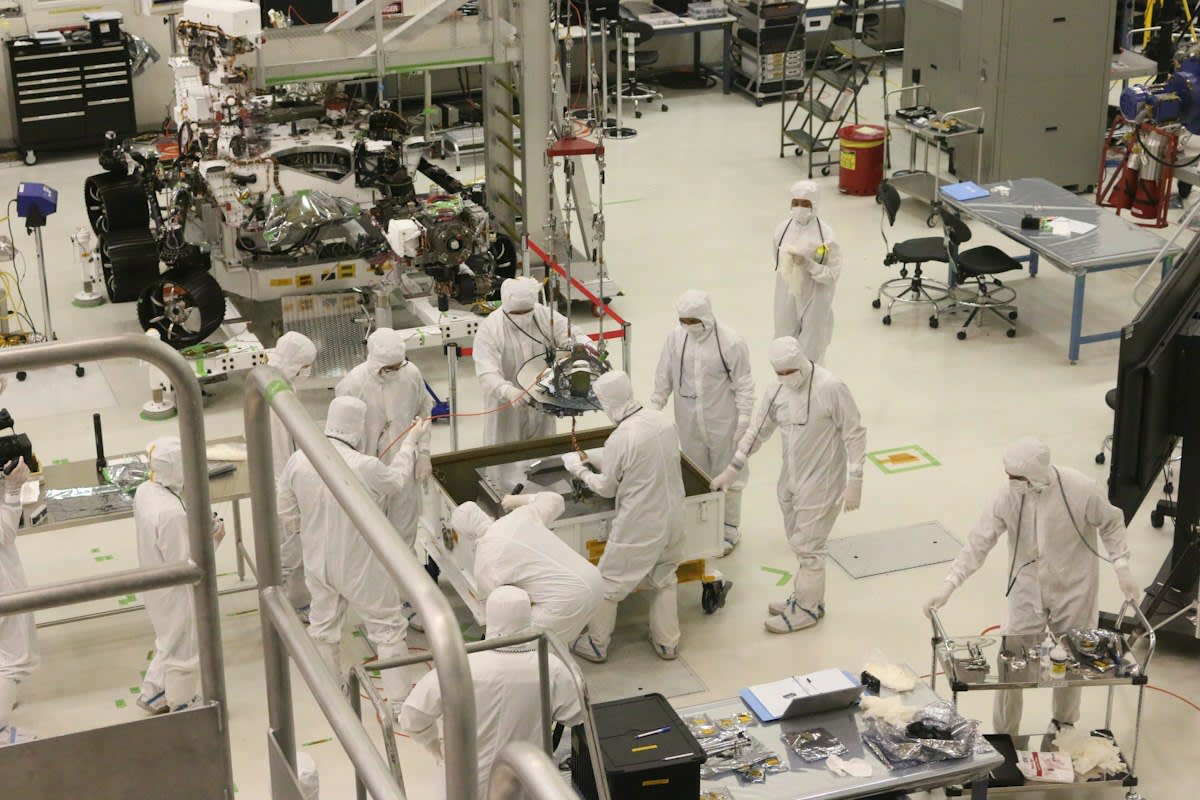
Prerequisites for the Fab
- Bunny suit endurance: Ability to work in full-body sterile gear for extended hours.
- Phone locker compliance: Total willingness to surrender all personal communication devices upon entry.
- TSMC English proficiency: Understanding of the functional, efficiency-first dialect used in operations.
- Cultural humility: Respect for Taiwanese norms regarding order, hierarchy, and cleanliness.
TSMC demands absolute precision. 68.7 percent growth in net profit for July-September reached NT$763.1 billion (Source: Korea Herald, 2026). This financial surge underscores the pressure on workers to maintain zero-defect production in every single wafer. Investors now judge these results against perfection, leaving little room for operational error (Source: Korea Herald, 2026). Arizona serves as the primary site for this expansion of high-stakes manufacturing, where the margin for error is non-existent.
Management operates with a hunger for market dominance. The company has stated it has no intention to leave food on the table for others, aiming to capture every piece of business possible (Source: Korea Herald, 2026). This aggressive growth strategy puts immense pressure on the Arizona facilities to scale rapidly without sacrificing quality. Workers are not just employees; they are components in a global supply chain that cannot afford a single minute of downtime. The drive for 3nm production targets creates a high-stress environment where output is the only metric that matters (Source: SBS, 2026).
Steps to Operational Alignment
- Acclimate to the Sterile Environment: Accept the psychological boundary of the bunny suit and phone lockers. These chrome-cold garments isolate the worker to protect the silicon and remove outside distractions. Isabella, an intern, noted that these requirements create a stark contrast to American work habits (Source: T-Flash, 2026).
- Master the Functional Dialect: Learn TSMC English, the bridge between Taiwanese engineers and international hires. This dialect is stripped of nuance and focused entirely on speed and efficiency. Misunderstandings in this communication layer can lead to production delays or safety risks.
- Navigate HR Compliance: Understand the new workplace bullying rules passed in the home office following cases of employee harm (Source: Taiwan Business TOPICS, 2026). Follow the advice of Eiger Taipei by routing informal grievances through distinct channels to avoid triggering a full statutory review process (Source: Taiwan Business TOPICS, 2026).
- Optimize Tool Interaction: Avoid creating workarounds for new software. As Karan Alang of Versa Networks notes, consistent friction across employee groups usually signals a rollout problem rather than a resistance to change (Source: Forbes, 2026). Route your needs through existing habits to reduce cognitive load.
Cultural friction often manifests in small, unexpected ways that can derail a professional relationship. Isabella reported arguments with her partner over placing a backpack on the bed, a behavior seen as unacceptable in certain Taiwanese contexts (Source: T-Flash, 2026). This tension extends into the workplace, where different definitions of order and personal space clash. When these values conflict in a high-pressure environment, the result is often a breakdown in communication that slows down the production line. Understanding these nuances is vital for anyone entering the semiconductor workforce.
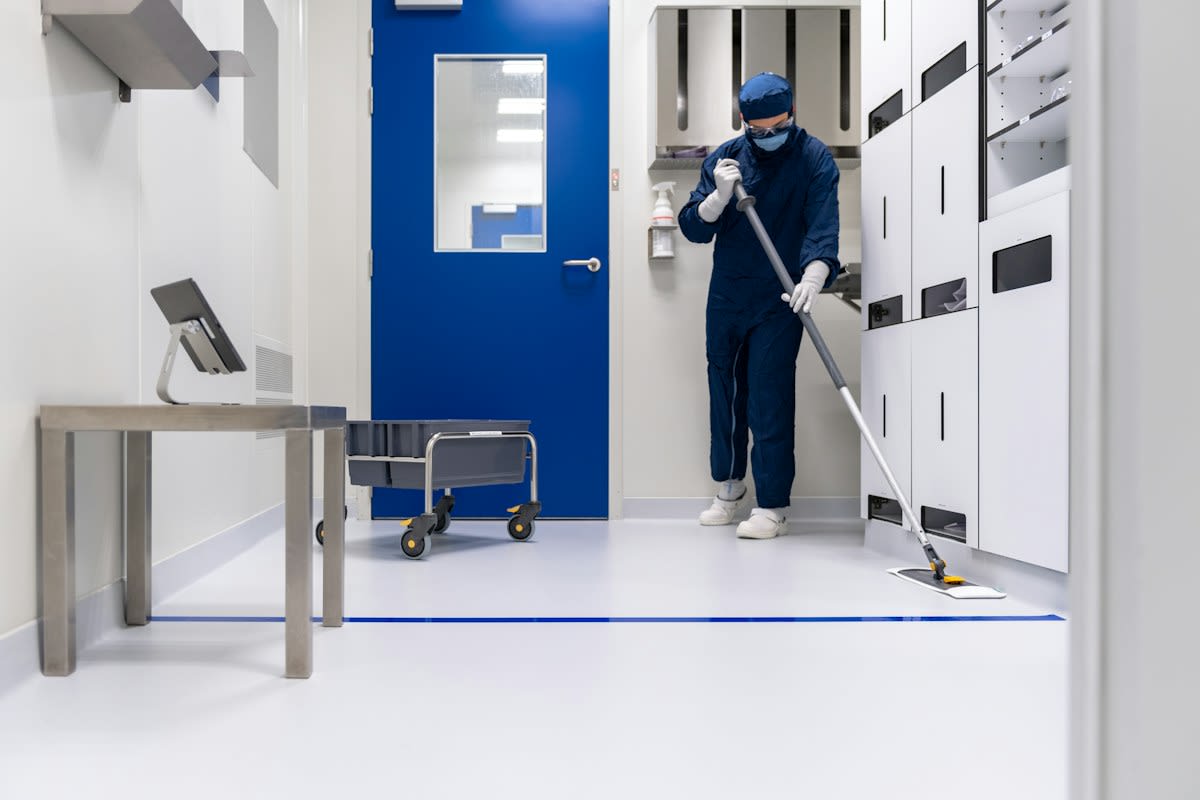
Legal environments in the semiconductor sector are becoming more protective of the worker. The new bullying laws in the home office are a direct response to extreme cases of workplace stress and employee death (Source: Taiwan Business TOPICS, 2026). For a manager in Arizona, the danger lies in the statutory review process, which can be triggered by a single formal complaint. Eiger Taipei's strategy to create a distinct channel for informal complaints is a practical way to maintain productivity while ensuring safety (Source: Taiwan Business TOPICS, 2026).
| Metric | Value | Source |
|---|---|---|
| Q3 Net Profit Growth | 68.7% | Korea Herald, 2026 |
| Q3 Net Profit (NT$) | 763.1 Billion | Korea Herald, 2026 |
| Q3 Net Profit (USD) | $23.6 Billion | Korea Herald, 2026 |
| Target Process Node | 3nm | SBS, 2026 |
Tool resistance in the semiconductor world can be catastrophic if it leads to safety shortcuts. Karan Alang argues that when people across roles avoid key features of a new tool, the problem is the rollout, not the people (Source: Forbes, 2026). If experienced employees take longer to complete basic tasks after an update, the tool is likely adding friction. In Arizona, where precision is everything, a poorly rolled-out tool is not just an inconvenience; it is a risk to the yield of the chips.
"We have no intention to leave food on the table for others, and we want to capture every piece of business possible."— TSMC Executive, as cited in Korea Herald, 2026
Habit-based routing offers a solution to this operational friction. Andrew Babkin of Azati describes a failed AI tool that employees ignored in favor of quick chats (Source: Forbes, 2026). By moving the AI tool into the existing chat interface, the team increased adoption instantly. This approach proves that routing through existing habits is more effective than forcing new interfaces. Applying this logic to fab management can reduce the cognitive load on operators and prevent the creation of dangerous workarounds.

Ground-level reality in the fab is a constant negotiation between speed and sterility. Engineers argue over microns while managers stress over the perfection demanded by investors (Source: Korea Herald, 2026). The friction is not just in the machines but in the conversations. You see it when a US hire suggests a flexible approach and is met with a blank stare from a Taiwanese lead who views flexibility as a risk. This is where the real work happens—in the gap between two different definitions of excellence. It is a world where the individual vanishes into the process to ensure the wafer survives.
Failure Point: Culture Clash Burnout
Culture Clash Burnout occurs when a new hire attempts to reshape the corporate environment to match Western norms. In Arizona, this often leads to isolation or formal grievances. The system is designed for rigid adherence, not for iterative cultural change. When an employee prioritizes personal expression over the sterile requirements of the cleanroom, they hit a wall that no amount of talent can break. The result is a rapid decline in productivity and an eventual exit from the company.
Fact-Check & Accuracy Note
Verify all financial data against Korea Herald 2026 reports. Ensure 3nm production timelines are cross-referenced with the latest SBS updates.
Editorial Note
This guide focuses on the operational friction of semiconductor expansion in Arizona. It is intended for professionals entering the high-pressure environment of TSMC.