‘Bring my daughter back, dead or alive’: 7 days on, 10-year-old who fell into open drain stays missing
Source Entity
Ritu Sharma
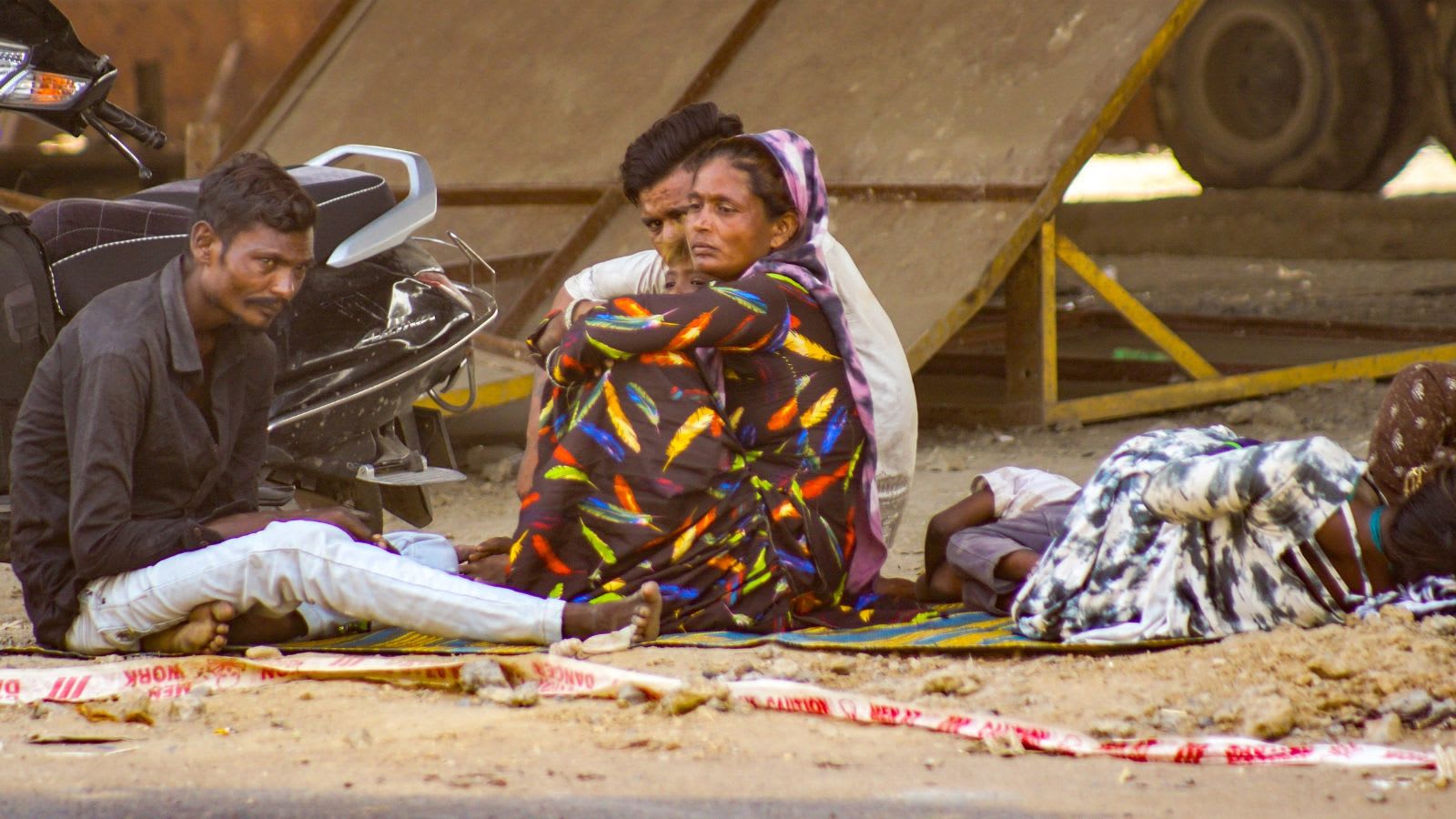
A 10-year-old visually impaired girl named Manisha Salat has been missing for seven days after falling into an open drain in Ahmedabad. Despite ongoing search efforts by municipal fire and sanitation teams, the child remains untraceable.
The Tragic Disappearance of Manisha Salat
A heart-wrenching search operation has entered its seventh day in Ahmedabad, where a family remains in a state of agonizing uncertainty. Manisha Salat, a 10-year-old visually impaired girl, went missing on October 10 after allegedly falling into an open drain located under a flyover on the Ahmedabad-Dholka Road. The incident has left the community and the child's parents in a state of desperate waiting, clinging to the hope that their daughter might still be recovered, regardless of her condition.
The Challenges of the Search Operation
The Ahmedabad Municipal Corporation (AMC) has launched an extensive search effort to locate the child. Fire personnel, equipped with specialized safety gear, have been repeatedly descending into the sewer systems in a grueling attempt to find any trace of Manisha. Simultaneously, a separate team of municipal staff is conducting a search of a nearby pit filled with chemical sludge, situated approximately one kilometer from the primary site. The complexity of the infrastructure and the hazardous nature of the terrain have made the recovery efforts exceptionally difficult.
Infrastructure and Urban Safety Concerns
This incident highlights the severe dangers posed by open drains and poorly maintained urban drainage infrastructure. The presence of such hazards in high-traffic areas, like the Ahmedabad-Dholka Road, raises critical questions regarding municipal oversight and public safety standards. For a visually impaired child, an open drain represents a lethal trap, underscoring the necessity for better physical barriers and maintenance schedules to prevent such preventable tragedies from occurring in densely populated urban centers.
The Burden on Emergency Services
The strain on the Ahmedabad fire and sanitation departments is evident as they continue their search seven days post-incident. By stationing a fire truck permanently at the site and dedicating personnel to scour hazardous waste, the AMC is attempting to mitigate the fallout of this accident. However, the lack of immediate results demonstrates the inherent dangers faced by rescue workers who must navigate unstable, toxic, and dark environments to perform their duties.
Broader Implications and Future Trends
The case of Manisha Salat serves as a stark reminder of the urgent need for 'smart city' initiatives to prioritize basic safety, such as covering open drains and improving road-side sanitation infrastructure. As Indian cities continue to expand rapidly, the integration of safety-first urban planning is not just a luxury but a necessity to protect the most vulnerable members of society. Future municipal policies must focus on real-time monitoring of drainage systems and the elimination of open-pit hazards to prevent future loss of life.
Conclusion: A Community in Waiting
As the search reaches the one-week mark, the family’s plea—'bring my daughter back, dead or alive'—resonates as a somber reflection of their ordeal. While the authorities continue their search, the incident remains a significant point of concern for local residents, who are now demanding accountability regarding the state of public infrastructure. The resolution of this search will undoubtedly leave a lasting impact on how Ahmedabad manages its urban hazards moving forward.