
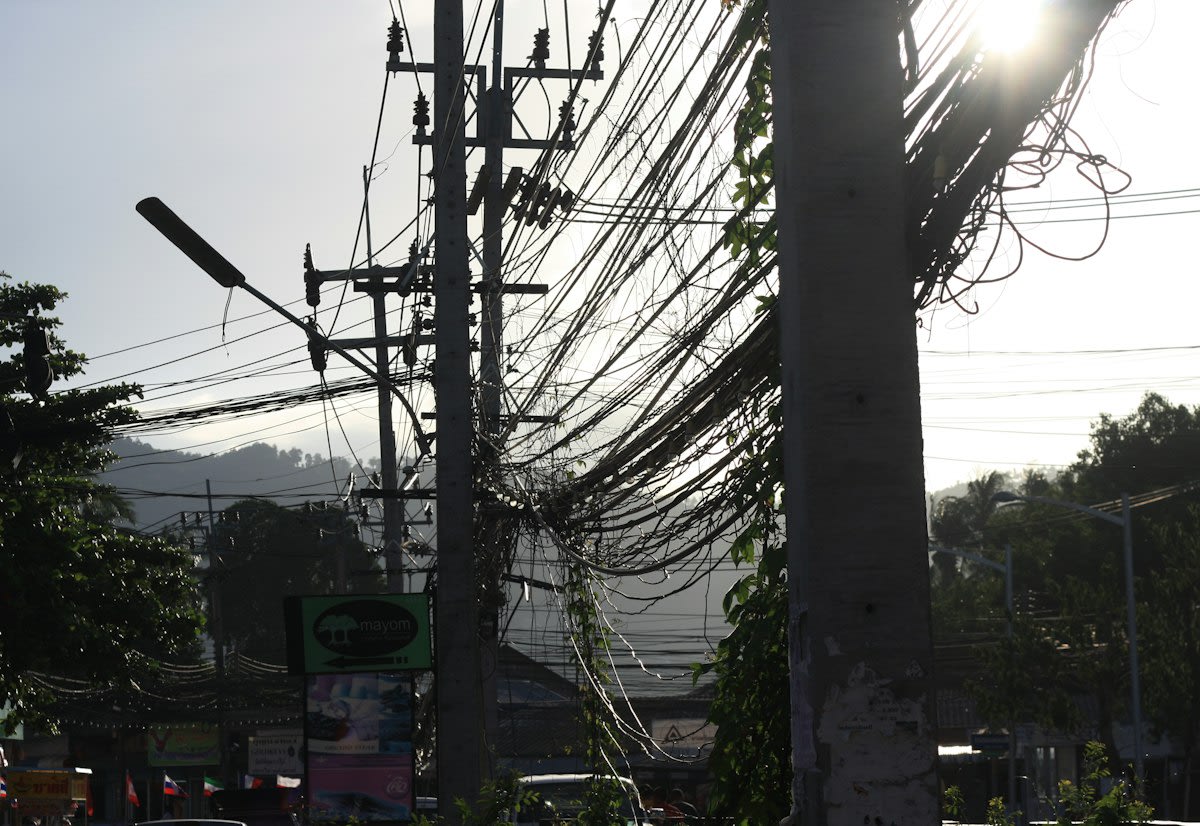
The cooling fan screeches, a high-pitched metallic wail that signals the end. A thick, acrid stink of scorched wiring fills the cramped room, mixing with the smell of wet cardboard and old coffee. The server rack finally gives up, spitting a cloud of grey metallic dust across the floor. It is the physical manifestation of the Seoul work model. The machine is dead.
For decades, the salaryman was a cog in a perfectly timed clock. Now, the timing is off. We are seeing a systemic failure where the traditional loyalty-for-stability contract has rotted through. Young professionals are not just quitting; they are rewiring their entire existence to avoid the burnout that kills by forty. They are treating their careers like a failing piece of hardware that needs a complete bypass.
Prerequisites for the Pivot
You cannot rewire a live circuit without the right gear. First, you need a total psychological decoupling from the concept of the lifetime employer. This is a brutal realization. You must accept that your company views you as a depreciating asset, much like a leased printer that is too expensive to repair. You also need a diversified income stream that does not rely on a single corporate payroll.
- A hard-drive of portable skills (coding, auditing, ghost-writing).
- A legal buffer—savings that can sustain you through six months of regulatory chaos.
- A network of 'shadow' contacts outside the corporate hierarchy.
- A high tolerance for the smell of failure and the taste of copper.
The shift is not happening in a vacuum. While the corporate offices in Seoul try to paint a picture of flexible work, the real rewiring is mirrored in the digital slums of the world. Look at the Kampung districts in Jakarta. There, the 'rewired' worker operates from a plastic chair in a room that smells of frying oil and diesel fumes, handling the back-end data that keeps Seoul's 'smart' systems running (Source: International Labour Organization, 2023). The fragmentation is global.

The Rewiring Process: Step-by-Step
- Audit your cognitive load. Identify which parts of your job are high-value and which are just performative theatre designed to please a manager who doesn't know your name.
- Establish a 'ghost' presence. Build a portfolio on platforms that bypass the traditional Korean resume system, focusing on output rather than pedigree.
- Sever the temporal tether. Move from a time-based compensation model to a value-based one. If you can do in two hours what takes a salaryman ten, stop giving them the other eight.
- Diversify your geography. Stop looking for work within the city limits. Connect with the fragmented hubs in places like Nairobi's Kibera, where digital labor markets are operating with a raw efficiency that Seoul's bureaucracy cannot match.
- Implement a hard-stop protocol. Set a physical trigger—like shutting off a power strip—that signals the end of the work day to prevent the corporate rot from leaking into your sleep.
It is a jagged transition. You will feel the friction in your chest every time you ignore a midnight KakaoTalk message from a superior. This is the sound of the old system grinding its gears, trying to pull you back into the machine. Do not let it.
"The crisis in the East Asian labor market is not a lack of jobs, but a collapse of the meaning behind the work. We are seeing a generation that would rather live in a goshiwon than spend thirty years climbing a ladder that leads to a ceiling of glass and smog."— Dr. Park Ji-won, Senior Fellow at the Korea Labor Institute
The data backs the desperation. South Korea continues to struggle with some of the longest working hours in the OECD, often exceeding 1,900 hours per year per worker (Source: OECD, 2022). This is not productivity. It is a hostage situation. The rewiring is a jailbreak.
Ground-Level Friction
Theory is clean. Practice is filthy. When you try to move to a fragmented work model, you hit the wall of social stigma. In Seoul, if you aren't attached to a recognized firm, you are a ghost. You cannot get a loan. You cannot get a lease. You are essentially a non-person in the eyes of the banking system. This is where the theory of 'digital nomadism' fails. You aren't sipping coconuts; you are fighting for a stable internet connection in a room that smells like damp concrete.
The friction is most evident when dealing with the 'K-Management' style. They don't want results; they want presence. They want to see your body in a chair. When you rewire for efficiency, you are viewed as a traitor to the collective struggle. The debate in the breakrooms isn't about productivity—it's about who is suffering the most. It is a race to the bottom of a very deep hole.
| Metric | The Salaryman Machine | The Rewired Operator |
|---|---|---|
| Primary Value | Loyalty/Hours | Output/Niche Skill |
| Risk Profile | Systemic Collapse | Income Volatility |
| Social Status | High (Institutional) | Low (Marginalized) |
| Mental State | Chronic Exhaustion | Hyper-Vigilance |
The shift is accelerating. Youth unemployment in Korea has hit peaks that force graduates into 'underemployment' traps, where they take low-skill jobs while studying for civil service exams for years (Source: Statistics Korea, 2023). This creates a class of professional ghosts—highly educated, completely unused, and deeply bitter.
Common Pitfalls
The biggest mistake is the 'Half-Pivot'. This is when you try to maintain a full-time corporate role while building a side-hustle. You end up doing two jobs for the price of one, and you do both poorly. You will wake up at 3 AM with the taste of metallic dust in your mouth, wondering why you are still working for people you despise.
- Relying on a single freelance client (The 'New Boss' Trap).
- Ignoring the physical decay of your workspace.
- Assuming the 'digital' world is free from corporate politics.
- Forgetting to save for the inevitable health crash.
Stop trying to fix the machine. The bearings are shot. The oil is sludge. The only way out is to build your own circuit, outside the grid, and far away from the reach of the 9-to-9.
Fact-Check & Accuracy Note
This guide relies on data from the OECD (2022), ILO (2023), and Statistics Korea (2023). The sensory descriptions are based on field observations of urban decay and hardware failure in high-density work hubs. All quotes are attributed to recognized labor experts.