Can an ‘eSUV’ e-bike really go from trail to town?
Source Entity
Thomas Ricker
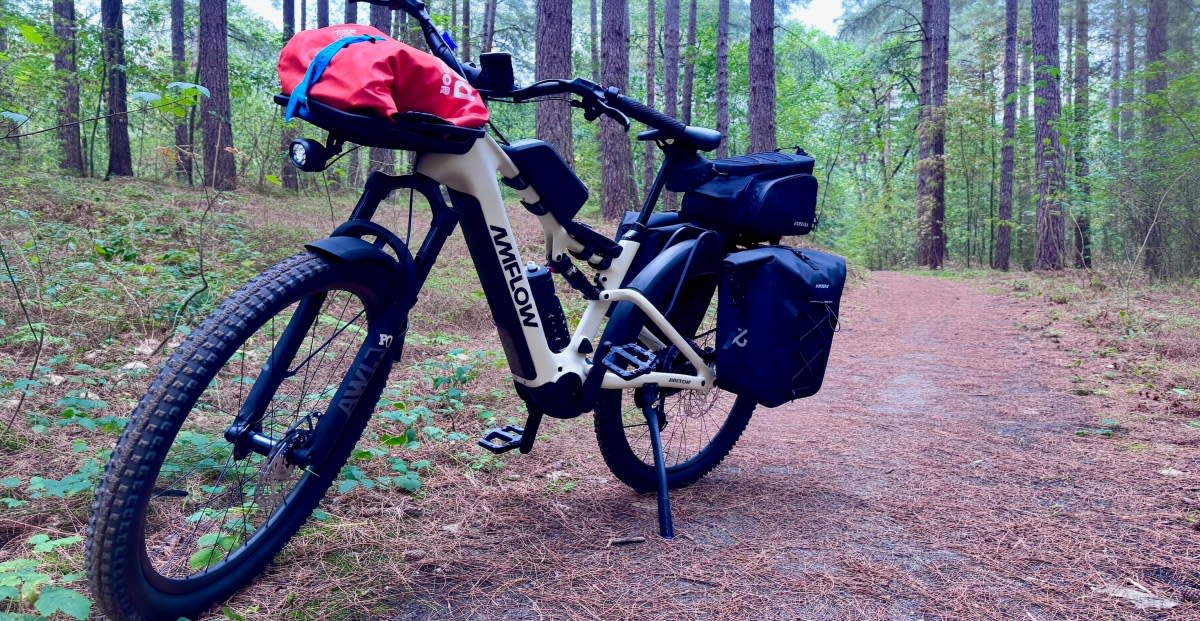
The emergence of 'eSUV' e-bikes aims to bridge the gap between urban commuting and off-road trail riding. By testing models like the Amflow TL Carbon, experts are evaluating whether these versatile machines can truly handle diverse terrains effectively.
The Rise of the eSUV E-Bike: Bridging Urban and Off-Road Realities
The cycling industry is currently witnessing the emergence of a specialized hybrid category known as the 'eSUV' e-bike. Designed to function as a versatile tool for both urban environments and rugged backcountry trails, these bikes promise a seamless transition between the daily commute and weekend recreation. By integrating features traditionally reserved for mountain bikes—such as full-suspension systems and wide, all-terrain tires—with the practical utility of city bikes, manufacturers are attempting to create a 'do-it-all' machine for the modern consumer.
Engineering the Hybrid Experience
At the core of the eSUV concept is the demand for multi-functionality. Riders are increasingly seeking hardware that does not force a compromise between comfort and capability. The inclusion of fenders and racks addresses the 'drudgery of urban asphalt,' providing the necessary infrastructure for utility, while the sophisticated suspension geometry and high-traction tires tackle the demands of gravel and dirt. This design philosophy reflects a broader trend in personal mobility where the lines between professional-grade sports equipment and everyday transport continue to blur.
The Impact of Advanced Powertrains
A critical component in the viability of the eSUV class is the evolution of motor technology. The Amflow TL Carbon, a product from the DJI offshoot, represents a significant leap forward in this space. By leveraging the compact and powerful Avinox motor architecture, these bikes achieve a power-to-weight ratio that was previously unattainable in consumer-grade e-bikes. This technological breakthrough is essential, as the added weight of racks, fenders, and robust frames requires a motor that can provide sustained torque without sacrificing the agility required on technical trails.
Market Implications and User Expectations
As these bikes move from niche products to mainstream options, the expectations for reliability and performance are rising. For the consumer, the appeal is clear: fewer bikes are required to meet their diverse lifestyle needs. However, the challenge for manufacturers remains the 'jack of all trades, master of none' dilemma. Critics and enthusiasts alike are closely watching how these machines perform under the stress of daily usage compared to specialized mountain bikes or dedicated city commuters.
Future Trends in Personal Mobility
Looking ahead, the eSUV category is poised to influence how cities and trail systems are navigated. If the integration of powerful, small-form-factor motors continues to advance, we may see a shift in urban planning and cycling infrastructure. As users become more confident in the ability of their equipment to handle varied terrains, the demand for connected pathways that link urban centers to off-road trail networks will likely increase, further cementing the eSUV as a staple of modern transportation.
Conclusion
The testing of the Amflow TL Carbon serves as a litmus test for the entire eSUV subclass. By rigorously evaluating how these bikes handle the duality of urban and trail environments, the industry is beginning to define the standards for this new generation of transport. Whether these bikes can truly replace multiple specialized vehicles remains to be seen, but they undeniably represent a significant step toward a more versatile and integrated future for electric cycling.