I wore Snap’s new Specs AR glasses, and they have the ‘wow’ factor
Source Entity
Anuj Bhatia
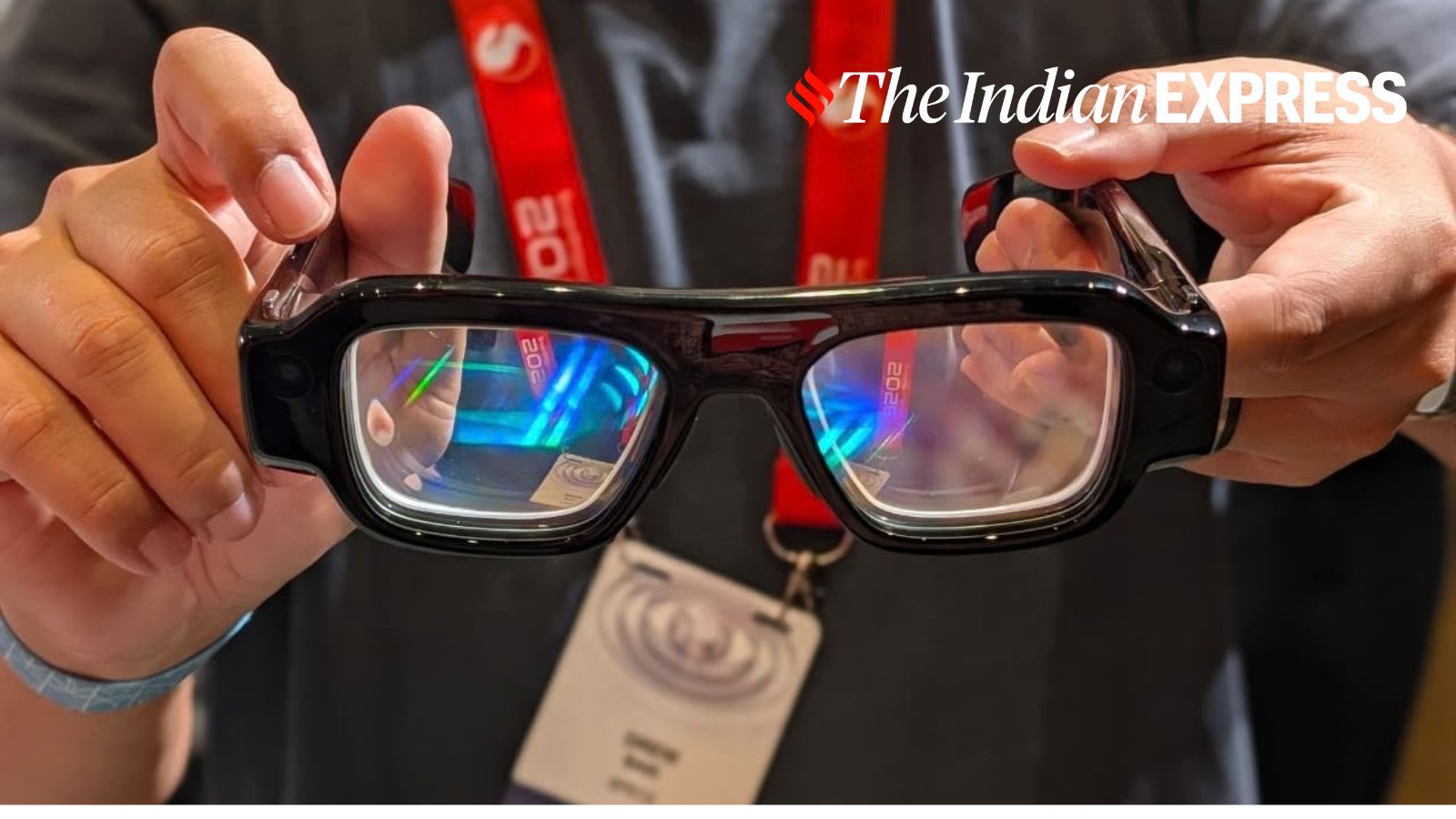
Snap has unveiled its new $2,195 standalone AR glasses, positioning them as a potential smartphone replacement. Unlike existing smart glasses, these units operate without phones or controllers, marking a shift toward true wearable computing.
The Evolution of Wearable AR: Snap’s Bold Step
Snap has recently introduced its latest iteration of augmented reality (AR) glasses, priced at $2,195, marking a significant pivot from peripheral accessories to standalone computing platforms. Unveiled during the Qualcomm Snapdragon Summit in Maui, these glasses represent a departure from the current market standard of companion devices, aiming instead to challenge the dominance of the smartphone as our primary interface with the digital world.
Moving Beyond the Companion Gadget
Most current market offerings, such as the Meta Ray-Ban collaboration, function primarily as smart accessories—devices that enhance existing mobile workflows through cameras or audio integration. Snap’s new Specs, however, are engineered to be entirely independent. By removing the need for a tethered smartphone or external controllers, Snap is testing whether consumer hardware has reached the necessary maturity to handle complex AR processing natively.
The Challenge of the Smartphone Replacement
Positioning a device as a “smartphone replacement” is perhaps the most ambitious claim a hardware manufacturer can make. The modern smartphone is a nexus of communication, finance, productivity, and entertainment. For Snap’s Specs to succeed in this capacity, they must overcome significant hurdles in battery life, field-of-view limitations, and the social stigma often associated with head-mounted displays. While the “wow” factor is present, the transition from a novel gadget to a daily utility requires long-term ergonomic and functional reliability.
Strategic Market Positioning
By making these glasses available for pre-order, Snap is signaling a transition from developer-focused testing to a consumer-facing strategy. This is a critical juncture for the company; moving AR out of the realm of specialized developer kits and into the hands of early adopters allows for real-world stress testing. The high price point suggests that this generation of hardware is aimed at enthusiasts who are willing to pay a premium to participate in the early stages of a platform shift.
Future Trends in Wearable Computing
The release of these standalone Specs underscores a broader industry trend toward “spatial computing.” As silicon becomes more efficient—specifically the chipsets found in modern mobile platforms—the line between a phone in your pocket and a computer on your face continues to blur. If Snap can prove that a standalone pair of glasses can deliver a frictionless experience, it may set a new trajectory for how tech giants approach the post-smartphone era.
Conclusion
Snap’s move is a high-stakes gamble that prioritizes immersive utility over simple connectivity. While the path to replacing the smartphone remains fraught with technical and social challenges, the introduction of high-end, standalone AR hardware is a pivotal development. Whether these glasses become a part of daily life or remain a niche luxury will depend on how effectively they bridge the gap between impressive technical capability and practical, everyday necessity.