The comedians turning AI anxiety into punchlines: ‘It’s so good, it’ll completely alter our grasp on reality’
Source Entity
Matthew Cantor in Los Angeles
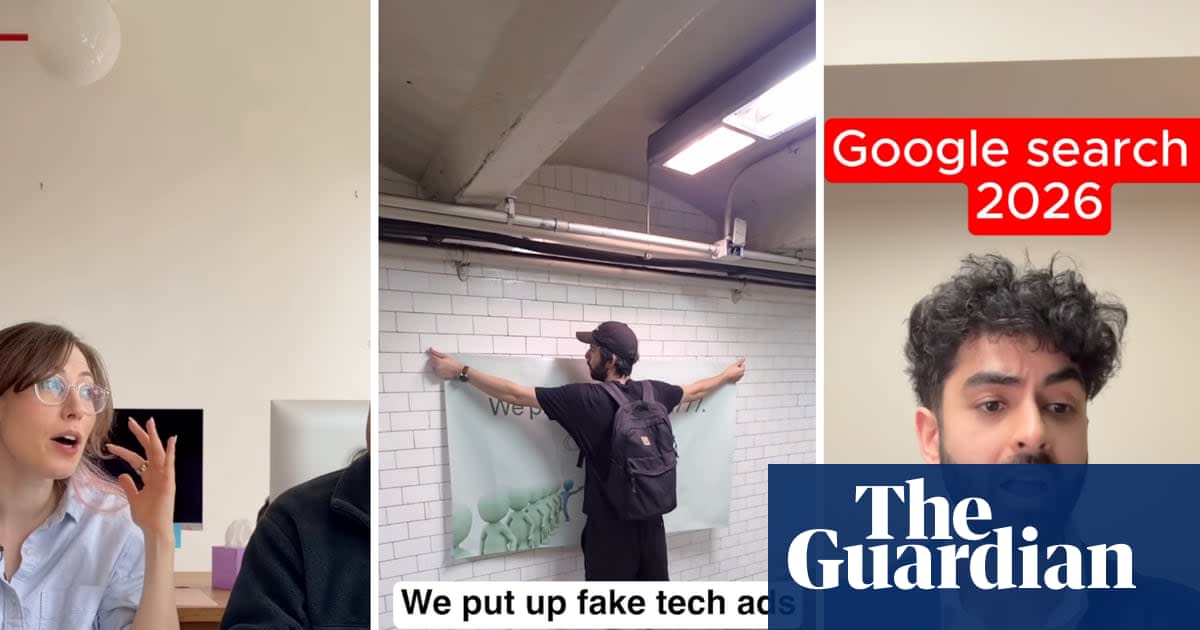
Comedians are increasingly using satire to mock the absurdity of the current artificial intelligence boom. These sketches highlight the disconnect between hyperbolic corporate promises and the existential anxieties surrounding AI development.
The Satirical Response to the AI Gold Rush
In an era defined by rapid technological acceleration, the cultural response to artificial intelligence has shifted from awe to biting satire. Comedians are now utilizing the language of Silicon Valley to highlight the absurdity inherent in the current AI boom. By framing extreme scenarios—ranging from the elimination of administrative tasks to the literal end of humanity—as punchlines, these creators are effectively poking holes in the utopian and dystopian narratives that dominate the tech sector.
The Duality of Corporate Rhetoric
The juxtaposition of high-stakes existentialism and mundane corporate jargon is a recurring theme in this new wave of comedy. When an AI CEO is depicted claiming that the 'best case' is the end of paperwork and the 'worst case' is the extinction of the human race, the humor derives from the casual delivery of such catastrophic stakes. This mirrors the real-world discourse often found in tech corridors, where industry leaders, including OpenAI’s Sam Altman, have publicly balanced the promise of massive economic value with dire warnings about existential risk.
Performing the Startup Aesthetic
Beyond video sketches, the movement has permeated physical public spaces through guerrilla marketing. The appearance of fake startup posters on the New York subway—featuring nonsensical services like 'Cutlery.ai' or arbitrary rebrandings—serves as a critique of the sheer volume of speculative capital flowing into the AI sector. These parodies highlight how the 'AI' label is frequently applied to trivial concepts, stripping the term of its technical meaning and reducing it to a buzzword designed to capture investor attention.
Bridging Reality and Absurdity
The power of these sketches lies in their proximity to reality. By adopting the aesthetic of high-production startup advertisements and the earnest tone of tech visionaries, comedians are effectively mimicking the 'hype cycle.' This mimics the historical pattern of technology bubbles, where the gap between a product's actual utility and its projected market valuation becomes a breeding ground for skepticism and humor. The inclusion of genuine quotes, such as Altman’s sentiment regarding the creation of great companies amidst potential collapse, grounds these jokes in the actual rhetoric of the industry.
Future Trends in Tech Criticism
As AI tools become more integrated into daily life, this form of social commentary is likely to evolve. We can expect to see more content that satirizes the 'datacenter' obsession, where the physical infrastructure of the internet is treated with the same reverence once reserved for cathedrals or monuments. As the public becomes more media-literate regarding AI-generated content, the humor will likely sharpen, focusing on the inevitable friction between automated corporate processes and the messy, unpredictable nature of human existence.
Conclusion
Ultimately, the rise of AI-focused comedy serves as a necessary cultural release valve. By turning the anxiety surrounding job displacement, existential risk, and corporate overreach into punchlines, comedians are helping the public process a technology that often feels beyond human control. While the startups on the subway posters may be fake, the underlying message—that we should approach the current AI frenzy with a healthy dose of skepticism—is very real.