Meadow lets you leave your smartphone at home without sacrificing the essentials
Source Entity
Amanda Silberling
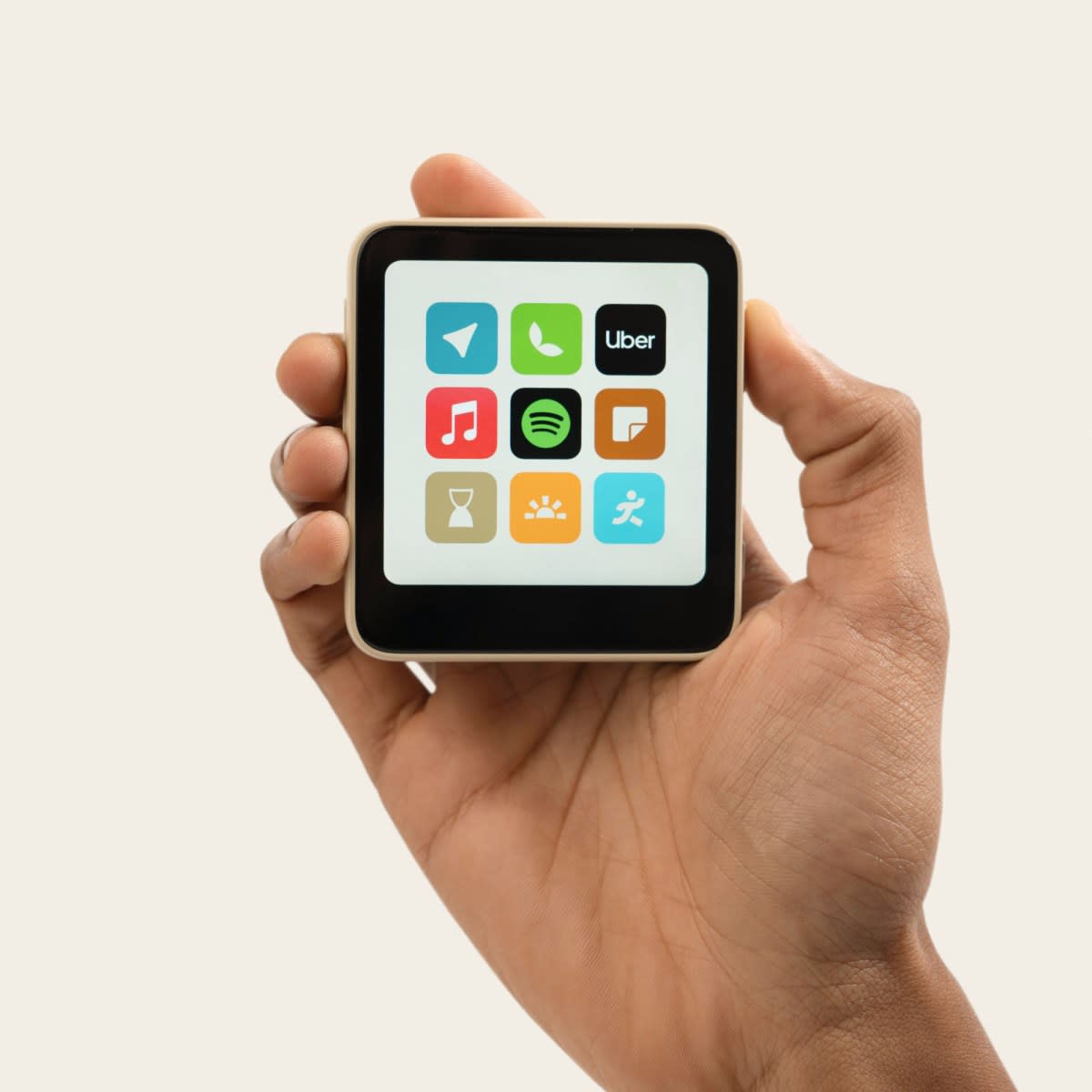
Meadow is a new minimalist smartphone designed to offer essential services like ride-sharing and music streaming without the distraction of social media. The device aims to bridge the gap between traditional 'dumb phones' and high-distraction smartphones.
The Rise of Intentional Technology
The emergence of the Meadow smartphone, founded by 25-year-old Shreyas Narlanka, represents a growing cultural shift toward 'intentional technology.' Unlike previous iterations of minimalist devices that stripped away nearly all functionality, Meadow seeks to maintain the utility of modern life—such as ride-sharing and music streaming—while explicitly discarding the algorithmic traps of social media and web browsing.
Bridging the 'Dumb Phone' Gap
Historically, the market for distraction-free devices has been polarized. Consumers were previously forced to choose between feature-rich smartphones that dominate attention and 'dumb phones' that lack basic modern necessities. By enabling a user to scan a ticket at a concert venue or hail an Uber, Meadow attempts to provide a functional middle ground that respects the user's focus without sacrificing the logistical benefits of the digital age.
The Philosophy of Digital Minimalism
Founder Shreyas Narlanka emphasizes that the goal is not to reject technology entirely but to curate it. As he notes, the project is not driven by a Luddite impulse, but rather by a desire to reclaim agency from platforms designed to maximize screen time. This aligns with a broader trend in consumer tech where users are increasingly seeking hardware that acts as a tool rather than a constant source of notification-driven anxiety.
Real-World Utility and Reliability
Testing the device in high-stakes environments, such as entering a concert venue, proves that minimalist hardware can handle the rigorous demands of modern infrastructure. The ability to scan a barcode effectively on a three-inch screen demonstrates that the friction often associated with 'alternative' tech is diminishing. This reliability is crucial for mass adoption among users who are weary of the mainstream smartphone ecosystem but fearful of being stranded without essential connectivity.
Future Implications for Consumer Behavior
As companies like Meadow continue to refine the minimalist experience, we may see a shift in how app developers approach their own products. If a segment of the population moves toward devices that do not support standard web browsing, developers may need to prioritize lightweight, single-purpose interfaces. This could lead to a more modular digital experience, where users carry devices that only execute the specific tasks required for their immediate environment.
Conclusion: A Sustainable Path Forward
Ultimately, the Meadow phone serves as a case study for the sustainability of our attention spans. By stripping away the 'essentials' of social media while keeping the essentials of navigation and entertainment, the startup is betting that users are ready to pay for their own peace of mind. If this model proves successful, it could signal a significant pivot in the smartphone industry away from the 'all-in-one' device toward specialized, purpose-driven hardware.