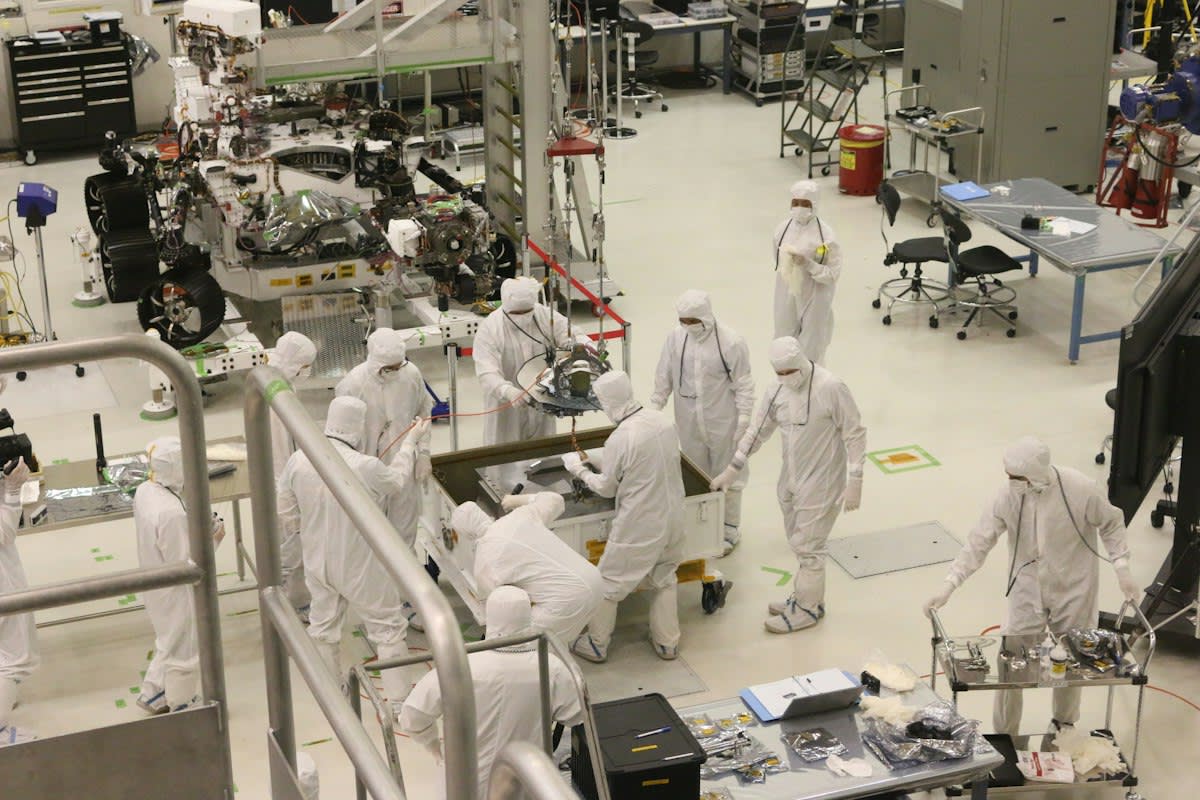
TSMC demands absolute obedience. 2027 apprenticeship rules mandate strict adherence to written work rules (Source: TSMC, 2026). These regulations govern every aspect of the Process Technician Apprenticeship Program, emphasizing that violations lead to progressive discipline or immediate termination. The company does not merely hire employees; it recruits adherents to a specific operational philosophy. This rigid structure ensures that the sterile environment of the fab remains uncontaminated by human error or laxity.
Pure-play foundry models, pioneered by TSMC in 1987, require a level of precision that standard corporate management cannot provide (Source: TSMC, 2026). The organizational culture prioritizes the stability of the manufacturing ecosystem over individual flexibility. In Phoenix, Arizona, this manifests as a strict requirement for on-site presence and total compliance with the employee handbook. The company views health and well-being as assets that fuel company thrive, but only within the bounds of strict discipline.
The Mathematical Void
Labor shortages are no longer a theoretical risk but a structural failure. By 2030, the United States will require 189,000 new full-time semiconductor jobs to sustain its manufacturing, design, and packaging goals (Source: NNME, 2026). However, the current pipeline of qualified workers is projected to reach only 62,000 people (Source: NNME, 2026). This delta of 127,000 workers represents a catastrophic gap in the industrial strategy. The industry is effectively trying to build a city without enough masons.
| Metric | Projected Value (2030) | Source |
|---|---|---|
| Job Demand | 189,000 | NNME (2026) |
| Worker Supply | 62,000 | NNME (2026) |
| Worker Deficit | 127,000 | Calculated |
Recruitment efforts are now targeting underrepresented demographics to fill this void. The CSET report indicates that a healthy ecosystem requires a surge in participation from women, Black, and Hispanic populations (Source: IEEE Spectrum, 2026). Maricopa Community Colleges (MCC) has responded by collaborating with Intel and TSMC to provide free training to high school students. This strategy attempts to create a workforce from scratch, bypassing traditional four-year degrees in favor of rapid, vocational certification.
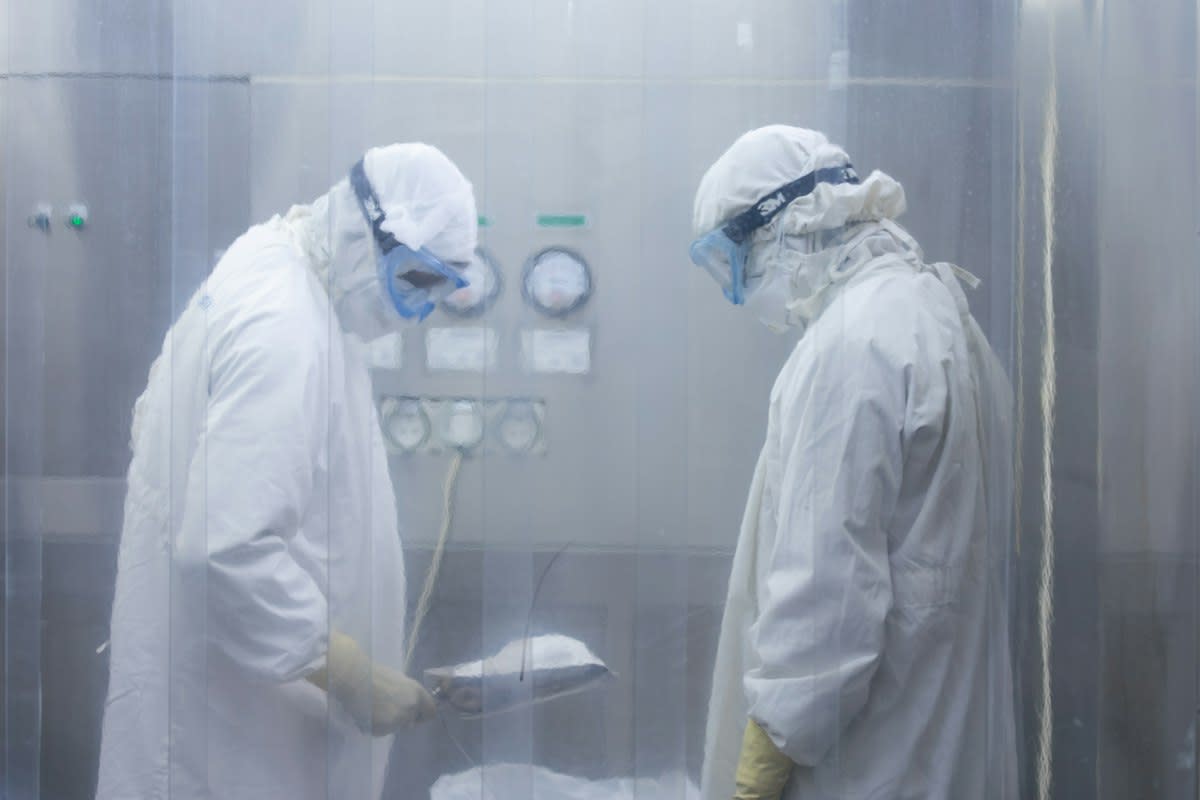
Training is moving closer to the production line to reduce the friction of onboarding. ABM has launched a Technical Training Center in Boise, Idaho, capable of accommodating 500 participants annually (Source: EE Times, 2026). This facility focuses on advanced semiconductor manufacturing skills, providing a direct pipeline into fab operations. The urgency is further highlighted by ABM's merger with WGNSTAR, a provider of managed workforce solutions, to scale their equipment support services.
Similar patterns are emerging in Asia, where infrastructure and training are being integrated into single sites. Axcelis Technologies recently invested 35 million dollars into a new equipment manufacturing facility in Korea (Source: citybiz, 2026). The Pyeongtaek facility includes a dedicated training center to support production coordination and workforce development. By embedding the school within the factory, Axcelis ensures that technicians are conditioned to the specific lean production methods required for their equipment.
"We are proud to celebrate this significant moment for Axcelis and the next chapter of our growth in Korea"— Russell Low, President and CEO of Axcelis
Operational efficiency in these facilities depends on the ability to manage intricate equipment and strict installation requirements. The Axcelis model suggests that manufacturing capacity is useless without an accompanying technical support capability (Source: citybiz, 2026). This realization has triggered a wave of investment in training centers that function more like boot camps than traditional classrooms. The goal is to produce a worker who can execute a process without deviation.
Practitioners in the fab floor experience a jarring disconnect between the corporate marketing of inclusivity and the reality of the handbook. While recruitment brochures promise a supportive family, the actual daily operation resembles a monastic order where a single mistake in absenteeism or tardiness triggers progressive discipline. The friction occurs when university graduates, accustomed to flexible academic environments, collide with a sterile regime that treats a five-minute delay as a breach of contract. This tension creates a high-pressure environment where technical skill is secondary to behavioral compliance.
Global logistics hubs in Jakarta are watching these Arizona and Korean developments to determine if the rigid apprenticeship model is the only way to scale production. The trend indicates that the semiconductor industry is abandoning the soft-skill approach of the 2010s. In its place is a return to industrial-age discipline, where the worker is viewed as a component of the machine. This transition is a direct response to the extreme cost of failure in 3D IC technologies.

The delta between the workforce available six months ago and today is characterized by a move toward aggressive, early-stage recruitment. The 2027 PTAP launch signals that TSMC is no longer waiting for qualified graduates to enter the market. Instead, they are attempting to shape the worker from the high school level, ensuring that the mindset of obedience is instilled before the technician ever enters the cleanroom. This is a preemptive strike against the 2030 labor cliff.
The Failure Point
The primary failure point remains the mathematical impossibility of the 2030 goal. With a demand for 189,000 new full-time roles and a projected supply of only 62,000 (Source: NNME, 2026), the industry faces a deficit of 127,000 workers. No amount of community college marketing or corporate discipline can bridge a gap of this magnitude within four years. The industry is betting on a surge in vocational interest that may never materialize at the required scale.
Editorial Note
Fact-Check: All data regarding TSMC's 1987 founding, ABM's 500-person capacity, and the NNME workforce projections are sourced directly from the provided research materials.