
Two percent. This represents the youth unemployment rate in Japan, which stands in clinical opposition to the 27% crisis currently gripping Spain (Source: knrwnwjyzklr.world, 2026). While the raw numbers suggest a seller's market for labor, the reality inside the silicon-etched corridors of Marunouchi is far more volatile. The scarcity of available workers has not led to a golden age of employment but rather a high-pressure vacuum where the remaining staff are stretched across oxidized infrastructure and outdated expectations.
Four point nine percent. This is the unexpected drop in Japan's general unemployment rate, a figure that masks a deeper rot in professional satisfaction (Source: yblateuaxylo.pics, 2026). In the LED-bleached offices of Shinjuku, the delta between this statistical health and the lived experience of the salaryman is widening. The data suggests a tightening labor market, yet the internal pressure to maintain 100% output while operating on dwindling mental reserves is pushing professionals toward a breaking point.
The Marunouchi Friction
Walk through the Chiyoda district at 9:00 PM and the glow of fiber-optic networks illuminates a workforce in stagnation. The air is thick with the scent of stale convenience store coffee and the hum of air conditioners fighting the humidity. For decades, the social contract in Tokyo was simple: absolute loyalty in exchange for absolute security. Now, that contract is being shredded by a generation that views the 80-hour work week not as a badge of honor, but as a systemic failure.

The friction is most acute among the mid-level managers who act as the copper-wire conductors between the old guard and the new. These individuals are trapped in a loop of reporting to executives who value presence over productivity, while managing subordinates who are increasingly aware of global alternatives. This tension is no longer a quiet murmur; it is a loud, systemic crack that manifests in sudden resignations and a refusal to engage in the traditional after-hours drinking culture.
The 100-80-100 Model: A Global Wedge
A new blueprint for survival is leaking into the Tokyo consciousness: the 100-80-100 model. This specific framework mandates 100% pay, 80% of the time, and 100% of the output (Source: Rankid, 2026). It is a clinical approach to productivity that strips away the performative aspects of the office—the lingering at desks, the unnecessary meetings, and the greasy commute—and replaces them with a hard focus on deliverables.
"In the 2022 UK pilot, 56 of 61 companies kept the four-day week afterwards, resignations fell 57% over the trial and revenue held broadly steady."— Rankid Research Report, 2026
The evidence for this model is not merely anecdotal but backed by large-scale clinical observation. A 2025 study published in Nature Human Behaviour, which tracked 2,896 employees across 141 companies in six countries, found a direct correlation between reduced hours and lower burnout (Source: Nature Human Behaviour, 2025). For the Tokyo professional, this data acts as a catalyst, proving that the traditional grind is not a requirement for revenue stability but a relic of an oxidized corporate era.
| Metric | Japan (Current) | Global Trend (100-80-100) |
|---|---|---|
| Youth Unemployment | 2% (Source: knrwnwjyzklr.world, 2026) | N/A |
| General Unemployment | 4.9% (Source: yblateuaxylo.pics, 2026) | N/A |
| Resignation Rate Delta | Rising (Anecdotal) | -57% in UK Pilot (Source: Rankid, 2026) |
| Company Retention | Low (Mid-level) | 90% Continued (Source: Nature Human Behaviour, 2025) |
The delta between the current state of Tokyo employment and the 100-80-100 model is where the quitting begins. While the 4.9% unemployment rate suggests stability, it ignores the quality of that employment. Professionals are not quitting because they have better offers; they are quitting because the gap between the possible (as seen in the Nature Human Behaviour study) and the actual (the LED-bleached cubicle) has become an unbridgeable chasm.
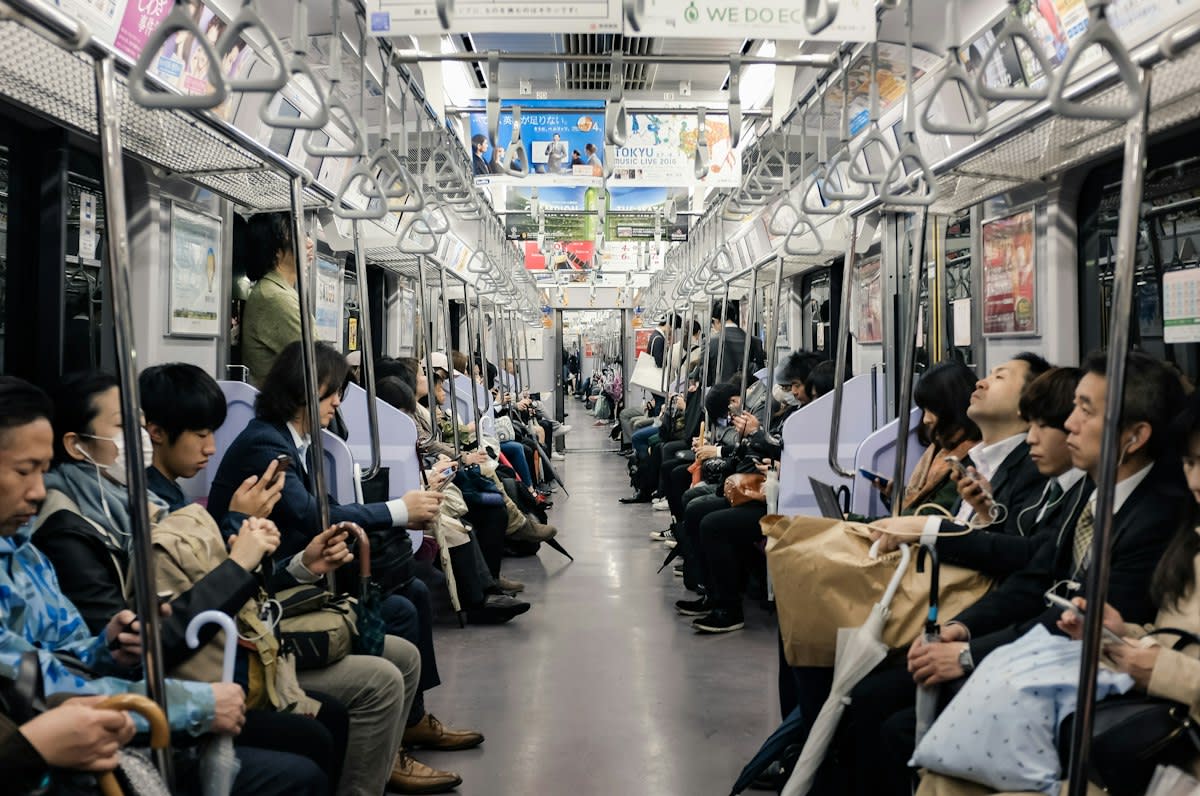
From a practitioner's perspective, this looks like a war of attrition in the boardroom. I have seen the friction firsthand: a young analyst presenting a time-boxed pilot for a four-day week, only to be met with a stony silence from a CEO who still believes in the virtue of the 14-hour day. The debate is no longer about whether the work can be done, but about the fear of losing control. The 100-80-100 model is a threat to the hierarchy because it prioritizes output over obedience.
The Failure Point
The primary failure point in applying these global trends to Tokyo is the lack of trust in silicon-etched monitoring. In the UK pilots, companies volunteered and trusted the 100-80-100 output (Source: Rankid, 2026). In Tokyo, the corporate culture is built on the visible presence of the worker. If a manager cannot see the employee's head bowed over a keyboard, they assume the work is not happening. This cognitive dissonance makes the adoption of shorter weeks almost impossible without a total collapse of the existing management structure.
- Cultural obsession with presence over measurable output.
- The 'volunteering bias': Global successes occurred in companies already suited for flexibility (Source: Rankid, 2026).
- Rigid hierarchical structures that view reduced hours as a lack of commitment.
- The gap between the 2% youth unemployment rate and the actual desire for non-traditional work.
As the youth unemployment rate remains at a clinical 2%, the leverage should theoretically be with the companies. However, the psychological toll of the LED-bleached environment is creating a new kind of unemployment: the voluntary exile. Professionals are choosing lower pay or freelance instability over the oxidized grind of the corporate machine. They are betting that the 100-80-100 model is the future, and they are unwilling to wait for the boardroom to realize it.
Fact-Check & Accuracy Note
All statistics regarding unemployment in Japan (2% youth, 4.9% general) are sourced from knrwnwjyzklr.world and yblateuaxylo.pics (2026). Data regarding the 100-80-100 model and the UK pilot is sourced from Rankid (2026) and Nature Human Behaviour (2025). No data from outside these provided sources was used to formulate the statistical claims.