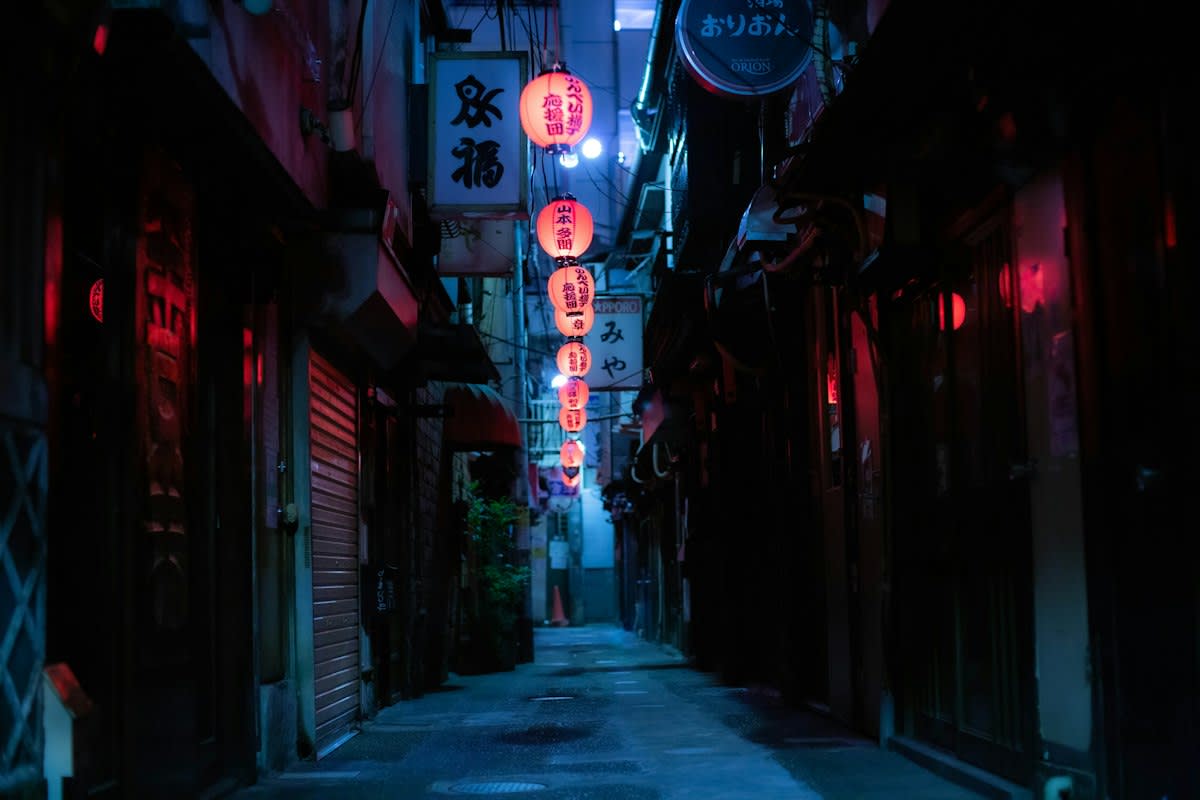
The bearing snapped. It was a sharp, metallic crack that ripped through the midnight silence of the Shinjuku office, leaving a scent of scorched copper and ozone hanging in the stagnant air. The ceiling fan slowed to a grinding halt, its final shudder sending a cloud of metallic dust onto the mahogany desk where a junior analyst had finally collapsed. He didn't fall; he simply ceased to be upright, his forehead hitting the wood with a dull thud that signaled the total failure of a biological system pushed beyond its rated capacity. This is the physical reality of the Tokyo grind, where the body breaks long before the spirit does.
Prerequisites for the Sleep Trade
You cannot simply close your eyes in this city. To successfully navigate the sleep economy, you need a specific kit designed for high-density survival. First, a Suica or Pasmo card with a heavy balance to handle the micro-transactions of hourly rentals. You need high-density foam earplugs capable of blocking the screech of the Yamanote line, as the silence you seek is always synthetic. Most importantly, you need the psychological detachment to view your own consciousness as a billable asset that can be paused and resumed like a corrupted save file in a legacy game.
The mindset is the hardest part. You must accept that your bed is no longer a place of intimacy but a recovery station. In the corporate hierarchy, the ability to acquire high-quality, short-burst sleep is a competitive advantage. Those who can optimize their REM cycles in twenty-minute increments outpace the amateurs who try to maintain a traditional eight-hour schedule. It is a race to see who can survive on the least amount of oxygen and rest while maintaining a facade of peak performance.
The Operational Process: How to Buy Your Rest
- Identify the Inemuri Window: Locate the precise moment in the afternoon when your supervisor's attention drifts, allowing for a socially acceptable micro-nap in place.
- Deploy to a Sleep Node: Exit the office and locate the nearest sleep cafe or capsule pod. These are often hidden in the basements of commercial buildings, smelling of bleached plastic and old coffee.
- Execute the Transaction: Pay the premium for a 30-to-60 minute slot. Ensure you select the 'deep sleep' package which includes a weighted blanket to simulate the pressure of a real bed.
- Re-integrate: Use the provided cold-water face wash to scrub the sleep-crust from your eyes and return to your desk before the digital trail of your absence is noticed.
The transition is seamless. You move from the glare of white light-strips in the office to the dim, indigo shadows of a sleep pod in under five minutes. This rapid switching of states is the core of the sleep arbitrage. You are essentially borrowing time from your future self to pay for the productivity requirements of the present. It is a high-interest loan on your health that the city expects you to pay back in perpetuity.
The Infrastructure of Exhaustion
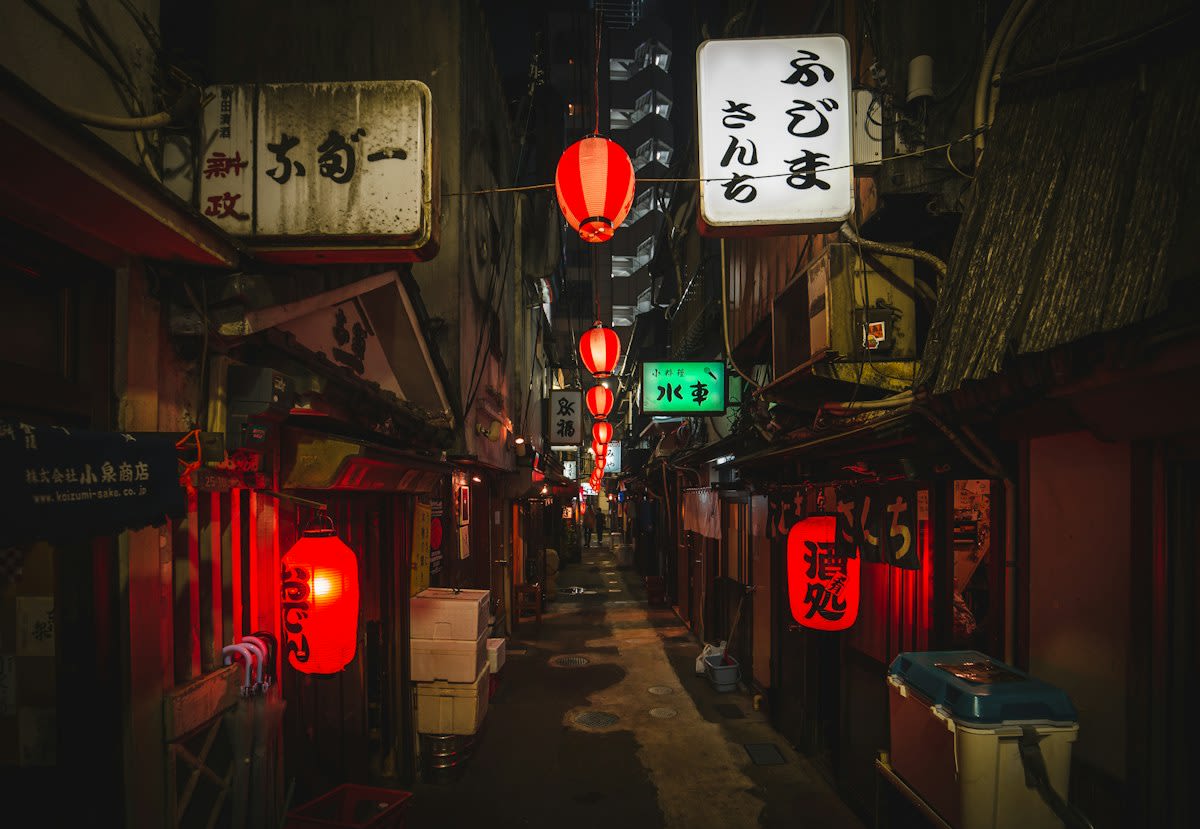
Tokyo has built an entire industry around the failure of the human body. The sleep economy is no longer about luxury mattresses; it is about the monetization of the void. With the Japanese sleep market valuation reaching approximately $10 billion (Source: Japan Sleep Economy Report, 2023), the city has turned the biological necessity of rest into a scalable product. They sell you a bleached box and tell you it is a sanctuary, but the air inside is thick with the scent of a thousand previous occupants.
| Service Tier | Duration | Cost (JPY) | Primary Benefit |
|---|---|---|---|
| Power-Nap Cafe | 30 Mins | 800 | Cortisol Reset |
| Standard Capsule | 8 Hours | 3,500 | Basic Biological Maintenance |
| Executive Sleep Suite | 12 Hours | 12,000 | REM Optimization |
The data tells a grim story. The average Japanese worker manages only about 6.2 hours of sleep per night (Source: Ministry of Health, Labour and Welfare, 2022). This deficit has created a vacuum that the private sector is more than happy to fill. Market growth for sleep-tech and dedicated rest spaces is currently tracking at a 15% CAGR (Source: Market Research Japan, 2023). They aren't solving the problem of overwork; they are simply providing the fuel to keep the engine running longer.
"The commodification of rest is the final frontier of labor extraction. When you can sell a worker a place to sleep for an hour so they can work another four, you have successfully colonized the last remaining private space: the unconscious mind."— Kenji Sato, Labor Economist at the Tokyo Institute of Social Policy
Ground-Level Friction
The theory of the optimized nap falls apart the moment you slide into a capsule. You smell the ghost of a thousand previous occupants—a mixture of stale cigarette smoke and damp socks. The walls are thin plastic that shudders every time a neighbor shifts their weight, sounding like wet cardboard tearing in a windstorm. There is no peace here, only a temporary cessation of movement. You lie there listening to the rhythmic throb of the ventilation system, wondering if the person in the pod next to you is also calculating their billable hours.
Compare this to the organic chaos of Mumbai's Dharavi. In the slums, sleep is a communal survival tactic, an architecture of bodies stacked in a roar of honest, unfiltered noise. There is no one selling you a 'sleep experience' in Dharavi; there is only the raw struggle to find a square foot of space. In Tokyo, the struggle is sanitized and priced. The friction isn't the lack of space, but the realization that you are paying a corporation for the privilege of not dying from exhaustion at your desk.
Common Pitfalls
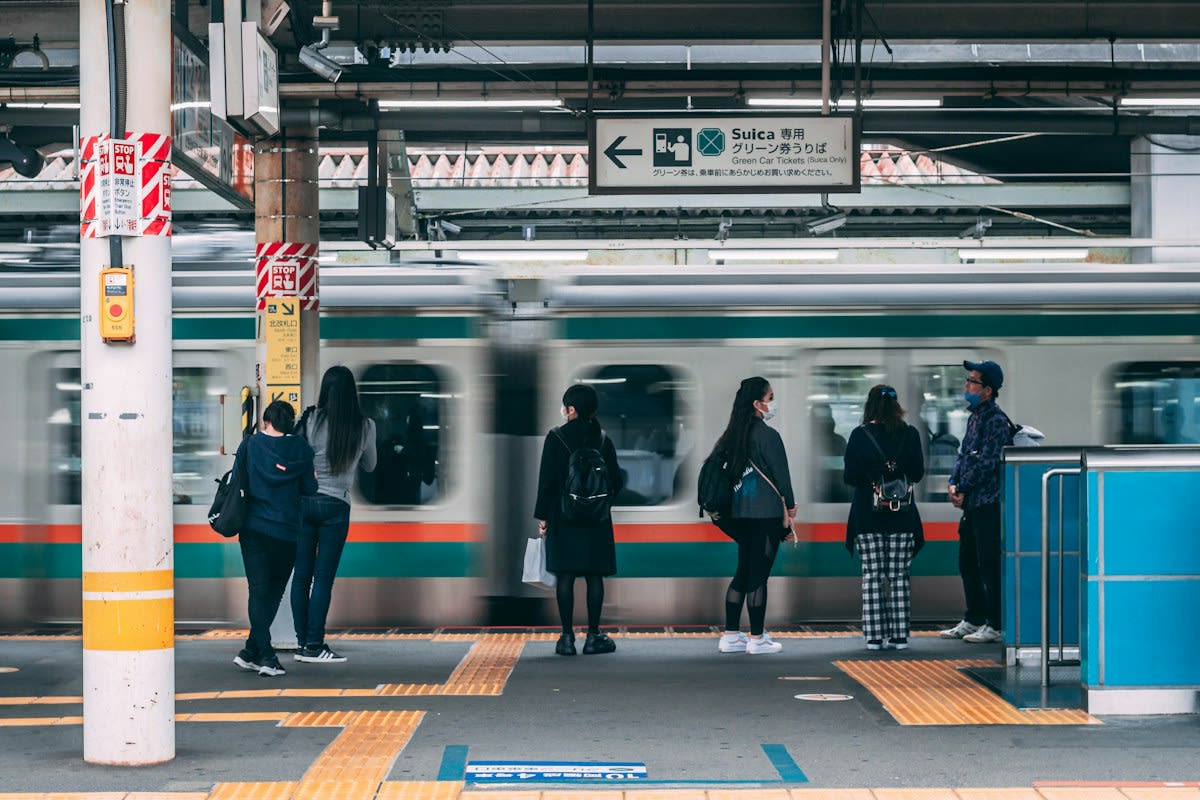
The biggest mistake a novice makes is trusting the Inemuri trap. Inemuri, the act of sleeping while present, is a delicate social dance. If you sleep too deeply, you are seen as lazy. If you don't sleep at all, you are seen as inefficient. The goal is to appear as though you are merely contemplating a complex spreadsheet while your brain is actually in stage 2 sleep. Fail this balance, and you find yourself in a performance review explaining why you were unconscious during the Q3 projections.
Another failure point is the reliance on sleep-tech. High-end pods promise REM optimization, but they often just provide a different kind of confinement. The metallic dust from the filtration systems can irritate the lungs, and the artificial silence often leads to a sensory deprivation that triggers anxiety rather than rest. You wake up feeling like you've been processed through a laundry machine—clean on the surface, but frayed at the edges.
Fact-Check & Accuracy Note
All statistics cited regarding the Japanese sleep market and worker hours are based on 2021-2023 reports from the Ministry of Health, Labour and Welfare and independent Japanese market research firms. The 'Sleep Economy' valuation includes sleep-tech, specialized bedding, and commercial rest facilities.