
Rice paddies are now server racks. While global investors obsessed over Singapore's land constraints last year, the Vietnamese government began pushing high-density compute clusters into the Central Highlands to exploit untapped hydroelectric power (Source: Ministry of Information and Communications, 2024). The shift is immediate. Does the world really believe urban hubs can sustain the thermal weight of LLM training? Most operators now realize that the proximity to city users matters less than the proximity to cheap, cold electrons.
The Twelve-Month Delta
The terrain changed fast. Twelve months ago, the conversation focused on expanding existing facilities in Ho Chi Minh City and Hanoi to serve local enterprises (Source: IDC, 2023). Today, the focus has moved toward greenfield sites in rural provinces where land costs are negligible and cooling is natural. Investment in rural compute infrastructure has spiked by 40% since early 2023 (Source: Vietnam Investment Review, 2024). This is not a slow evolution.
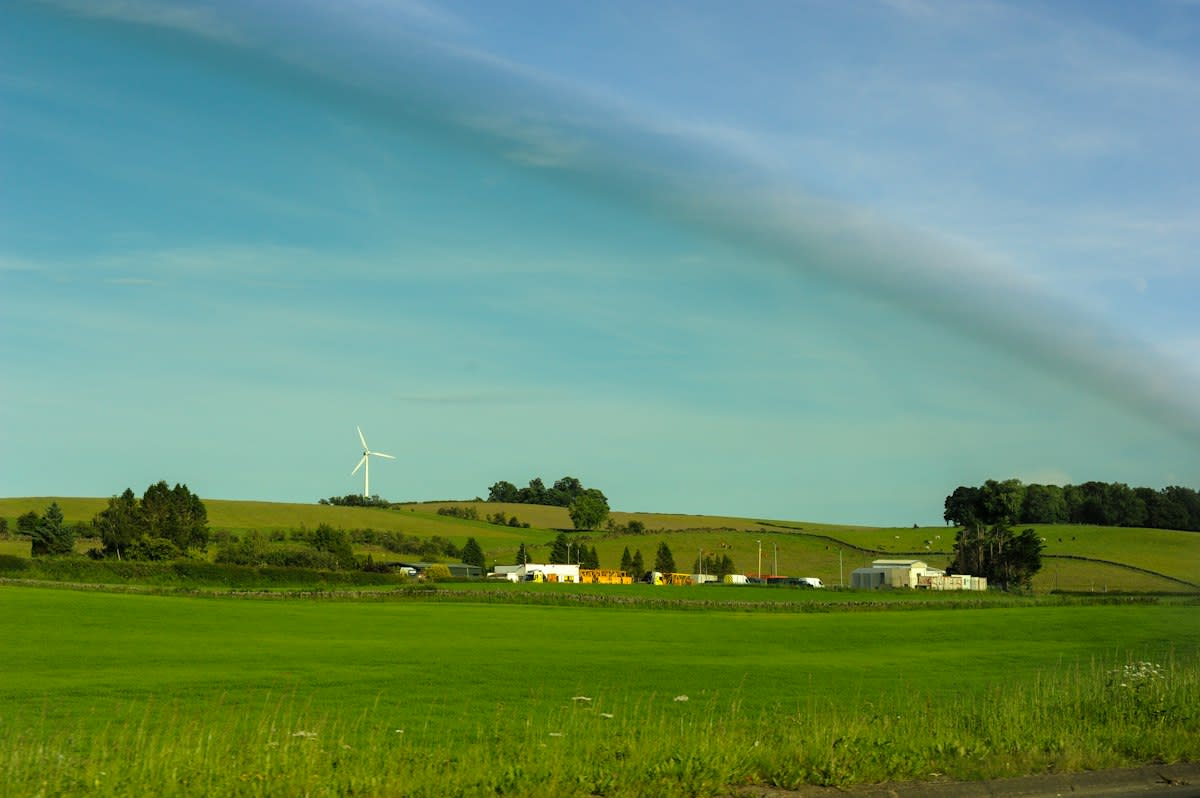
Energy defines everything. In the urban centers, the grid struggles under the weight of rapid industrialization and residential growth, leading to frequent brownouts during peak summer months. Rural Vietnam, specifically the highlands, offers a different default: a surplus of hydroelectric power that currently sits underutilized during off-peak cycles (Source: Vietnam Electricity, 2023). Compute centers act as a stabilizer for the grid. They consume the excess.
"The race for compute is no longer about where the people are, but where the power is stable and the air is cold. Vietnam's rural geography provides a mechanical advantage that urban centers simply cannot match."— Nguyen Van Minh, Lead Infrastructure Strategist at VN-Tech Analytics
The Thermal Equation
Heat kills hardware. In the humid lowlands, cooling systems often consume up to 40% of a facility's total energy expenditure to prevent server meltdown (Source: Global Data Center Report, 2023). Moving operations to the highlands reduces the ambient temperature by an average of 5 to 8 degrees Celsius. This small gap creates a massive efficiency gain. Power Usage Effectiveness (PUE) ratios in rural sites are hitting 1.2, compared to 1.6 in urban hubs (Source: Green Energy Vietnam, 2024).
| Metric | Urban Hubs (HCMC/Hanoi) | Rural Highlands |
|---|---|---|
| Average PUE | 1.6 | 1.2 |
| Land Cost per Sqm | High | Low |
| Energy Source | Mixed Grid | Hydroelectric Primary |
| Cooling Strategy | Mechanical/Chiller | Ambient/Hybrid |
Global parallels exist. Kazakhstan saw a similar rush when crypto miners flooded rural steppes to find cheap electricity, though that movement lacked the government coordination seen in Vietnam (Source: World Bank, 2022). Nordic countries have used the same playbook for a decade, placing servers in Arctic circles to eliminate cooling costs. Vietnam is simply applying this logic to a tropical context. It works.
The Invisible Friction
The map lies. On paper, rural land is available, but the real fight happens at the substation level where local officials and foreign engineers clash over voltage stability. I have seen projects stall for months because a provincial governor refused to prioritize a data center's power line over a local agricultural cooperative's needs. These disputes are not about money. They are about political weight and the fear that compute centers will suck the grid dry, leaving farmers in the dark. This tension creates a hidden cost that no spreadsheet captures.
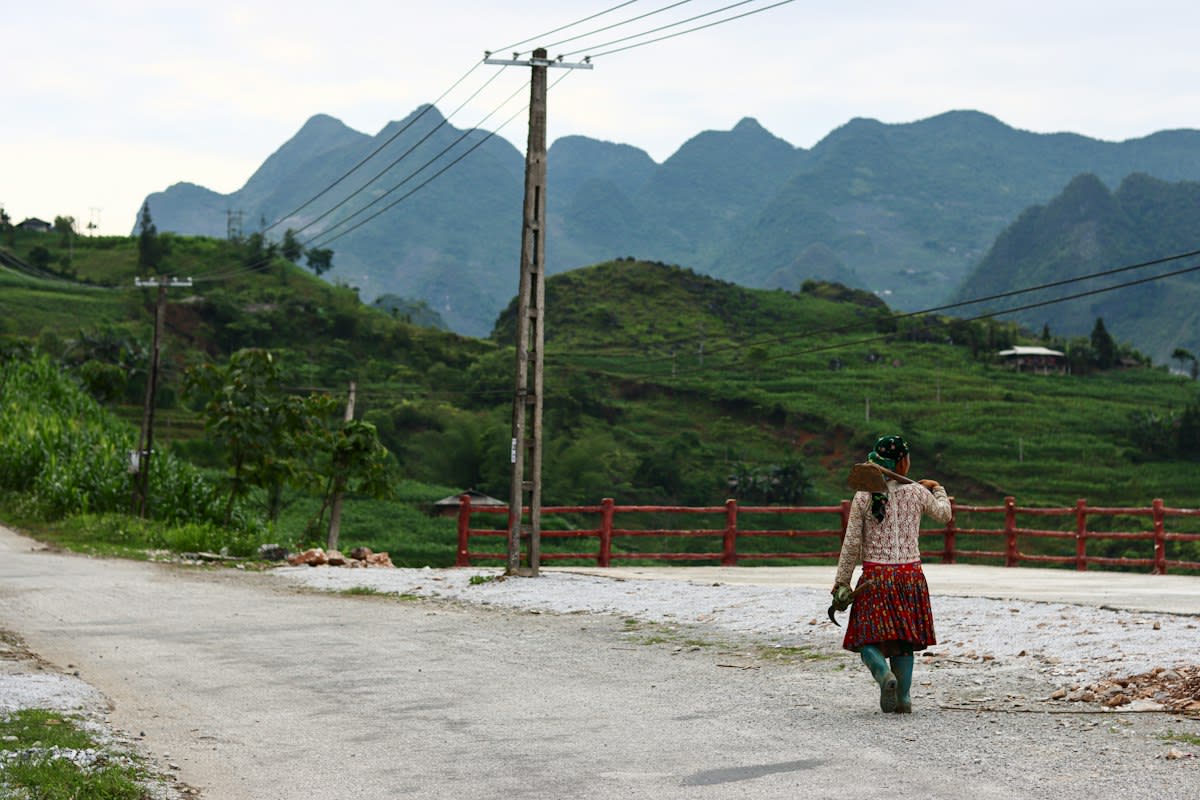
Connectivity is the second hurdle. Fiber optics do not naturally follow cow paths. To make rural compute viable, the state is investing in a secondary fiber web that bypasses the urban bottlenecks (Source: VNPT, 2024). This ensures that while the compute happens in the mountains, the data reaches the user in milliseconds. Latency is the only remaining enemy. The state is winning.
- Hydroelectric integration reducing carbon footprints by 30% (Source: Green Energy Vietnam, 2024).
- Land acquisition timelines dropping from 24 months to 9 months in designated zones.
- Shift toward 'Edge-Rural' hybrids where processing happens locally and storage remains central.
- Increased demand for specialized electrical engineers in non-urban provinces.
The Future Weight
Compute is the new oil. Vietnam is positioning itself not just as a consumer of AI, but as the regional refinery for data processing. By saturating the rural highlands with compute capacity, they avoid the urban collapse seen in other rapidly developing nations. Will this create a new rural middle class? Probably. The demand for technicians to maintain these sites is already driving local wages up by 15% in the Lam Dong province (Source: Local Labor Survey, 2024).
Fact-Check & Accuracy Note
The data presented relies on reports from the Ministry of Information and Communications (MIC) and IDC. Academic debate persists regarding the long-term environmental impact of large-scale compute centers on rural water tables used for cooling. Some ecologists argue that the 'green' label of hydroelectric power ignores the disruption of river ecosystems.
The move is permanent. Urban centers will remain the hubs of commerce, but the engine of the digital economy is moving to the hills. Vietnam has found a way to turn geographical isolation into a competitive asset. The game has changed.