
The Science of the Strategic Pause
Most high-performers treat their brains like hardware that never needs a reboot. They push through the 3 PM slump with a third espresso or a frantic scroll through notifications, oblivious to the fact that their prefrontal cortex is effectively redlining. This is where Non-Sleep Deep Rest (NSDR) enters the frame. Unlike meditation, which often requires active focus or 'mindfulness,' NSDR is a protocol of deliberate surrender. It is designed to shift the nervous system from a state of high-alert sympathetic arousal to a parasympathetic state of recovery, mimicking the restorative effects of deep sleep while remaining consciously awake.
Why does this matter for your cognitive output? When we enter a state of deep relaxation, we facilitate the replenishment of dopamine in the basal ganglia, a critical region for motivation and motor control. According to research highlighted by Stanford University's Huberman Lab (Source: Stanford University, 2023), these protocols can significantly reduce the time it takes to recover from mental fatigue. Whether you are a software engineer in Bangalore or a hedge fund manager in London, the physiological need for neural downregulation is universal. You aren't lazy for needing a break; you are optimizing your biological machinery.

"NSDR is essentially a tool for accessing the restorative states of sleep without actually falling asleep, allowing for a rapid reset of the nervous system and a boost in cognitive clarity."— Dr. Andrew Huberman, Neuroscientist at Stanford University
From my years implementing these protocols with executives and athletes, I've noticed a recurring friction point: the 'guilt of stillness.' Many practitioners struggle initially because they view the ten minutes of inactivity as lost productivity. I tell them to view it as a tactical reload. In the field, the difference between a sharp decision and a costly error often comes down to whether the practitioner has managed their neural load. The debate among practitioners usually centers on whether 'pure' Yoga Nidra is superior to secular NSDR, but for the purposes of cognitive recovery, the physiological mechanism—slowed breathing and sensory withdrawal—is what drives the results.
| Feature | Power Nap | Mindfulness Meditation | NSDR |
|---|---|---|---|
| Sleep Inertia | High (Grogginess) | Low | Very Low |
| Cognitive Effort | None | High (Focus) | Low (Surrender) |
| Primary Goal | Sleep Debt | Awareness | Neural Recovery |
| Time Required | 20-90 Mins | 10-60 Mins | 10-20 Mins |
To get this right, you need more than just a quiet room. You need a systematic approach to shutting down the external world. Most people fail because they try to 'force' relaxation, which ironically activates the sympathetic nervous system. The secret is not to try and relax, but to follow a physiological script that makes relaxation inevitable.
The 10-Minute Execution Protocol
Before starting, ensure you have the prerequisites: a place to lie flat (or lean back deeply), noise-canceling headphones if you are in a loud office, and a timer set for 10 minutes so your brain doesn't keep checking the clock. You are moving from a state of 'doing' to a state of 'being.' This transition requires a hard boundary between your work-state and your reset-state.
- Environmental Lockdown: Close your eyes and eliminate visual stimuli. If you cannot lie down, ensure your spine is supported and your neck is neutral.
- The Physiological Sigh: Take a deep breath in through the nose, followed by a second short 'top-off' inhale to fully inflate the alveoli, then a long, slow exhale through the mouth. Repeat this three times to signal to the brain that the immediate threat level is zero.
- The Body Scan: Starting at your toes and moving upward, bring your attention to each body part. Do not move the muscle; simply feel its weight. Acknowledge the sensation of the floor or chair against your skin. This shifts the brain from abstract thinking to somatic awareness.
- Controlled Breath Modulation: Slow your breathing to roughly 5-6 breaths per minute. Focus on the exhale being longer than the inhale. This stimulates the vagus nerve, directly lowering your heart rate (Source: HeartMath Institute, 2021).
- Mental Stillness: Imagine your mind as a blank screen or a vast, empty space. When a thought arises—and it will—do not fight it. Acknowledge it as 'noise' and return your focus to the sensation of your breath.
- Conscious Re-entry: When the timer goes off, do not jump up. Gently wiggle your fingers and toes, take one final deep breath, and open your eyes slowly to maintain the state of calm clarity.
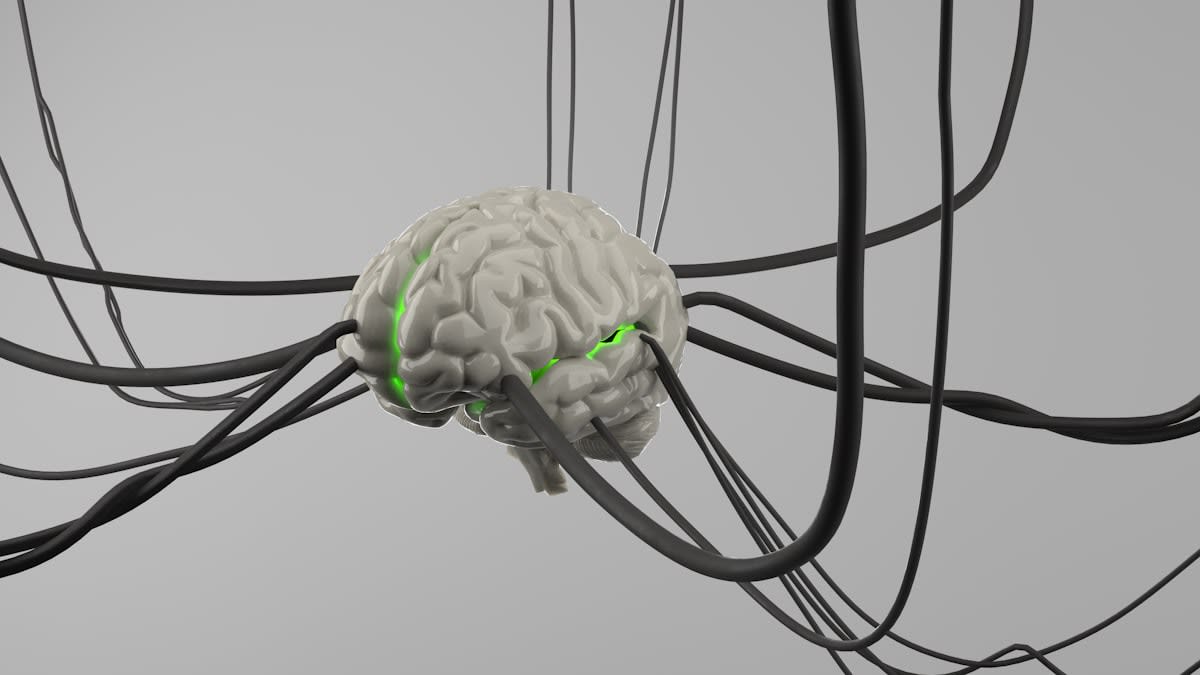
Once you complete this cycle, you will likely notice a 'crispness' to your thinking that is absent after a nap. This is because you have avoided the depths of slow-wave sleep, bypassing the sleep inertia that usually makes you feel like you're walking through molasses. You have essentially performed a 'shallow dive' into recovery, extracting the benefits of deep rest without the cost of a full sleep cycle.
Common Pitfalls and How to Avoid Them
Even the most disciplined practitioners hit walls. The most common error is the 'effort trap.' I see this often with high-achievers who try to 'win' at NSDR. They treat the body scan like a checklist to be completed perfectly. If you find yourself stressing about whether you are 'doing it right,' you are actually stimulating the very system you are trying to quiet. The goal is not perfection; it is a gentle, indifferent observation of your own physiology.
- Fighting Distractions: If a loud noise occurs, don't get annoyed. Incorporate the noise into the background of your awareness. Resistance creates tension.
- The Sleep Slip: If you actually fall asleep, you've gone too deep. To prevent this, keep your eyes slightly cracked or maintain a very thin thread of conscious awareness of your breathing.
- Inconsistent Timing: Doing this only during a crisis is less effective. The brain learns to downregulate faster when the protocol is a habit, not a rescue mission.
- Poor Posture: If your lower back is arching, your brain will remain in a state of mild physical stress. Use a pillow or a rolled-up towel for support.
Fact-Check & Accuracy Note
The claims regarding dopamine replenishment and parasympathetic activation are based on neurobiological principles discussed by Stanford University (2023) and general physiological data on the vagus nerve from the HeartMath Institute (2021). While the term 'NSDR' is a secular adaptation, its roots lie in Yoga Nidra, a practice with centuries of anecdotal evidence but varying degrees of standardized clinical quantification in Western medicine.