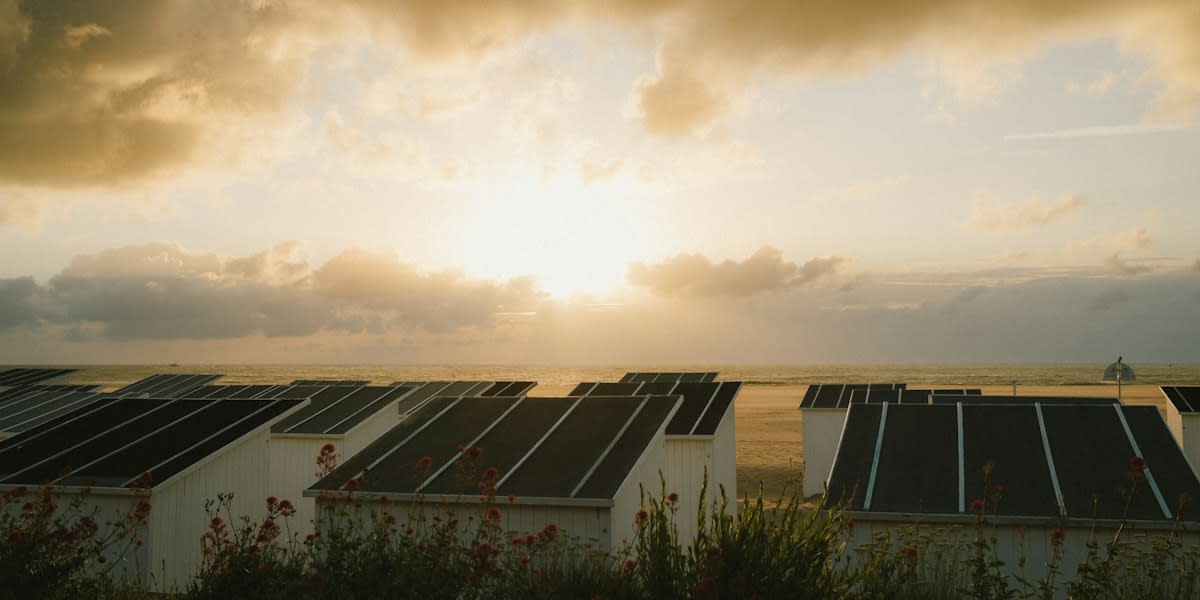
Sun burns the leaf. When panels cast managed shadows over heat-stressed crops, they lower the leaf temperature and stop the plant from shutting down during peak noon heat. Water stays in the soil. This contradicts the long-held industry belief that solar arrays are land-hungry parasites that starve the earth of necessary light (Source: Fraunhofer ISE, 2023). The binary choice is dead.
Growth is accelerating now. While 2023 focused on small-scale university plots, the current quarter shows a hard turn toward utility-scale integration across the Mediterranean and Southeast Asia. Capital is moving fast. In France, new regulations passed in late 2023 now strictly define agrivoltaics to prevent developers from simply building solar farms and calling them gardens (Source: French Ministry of Agriculture, 2023).
The Efficiency Delta
Math beats intuition here. Land Equivalent Ratio (LER) measurements show that combining solar and farming can produce 1.6 times more total value per hectare than using the land for only one purpose (Source: Nature Sustainability, 2019). This is a leap. A year ago, most operators feared a 20% drop in crop yield, but current trials in Morocco show that shade-tolerant legumes actually thrive under the glass (Source: IRESEN, 2024).
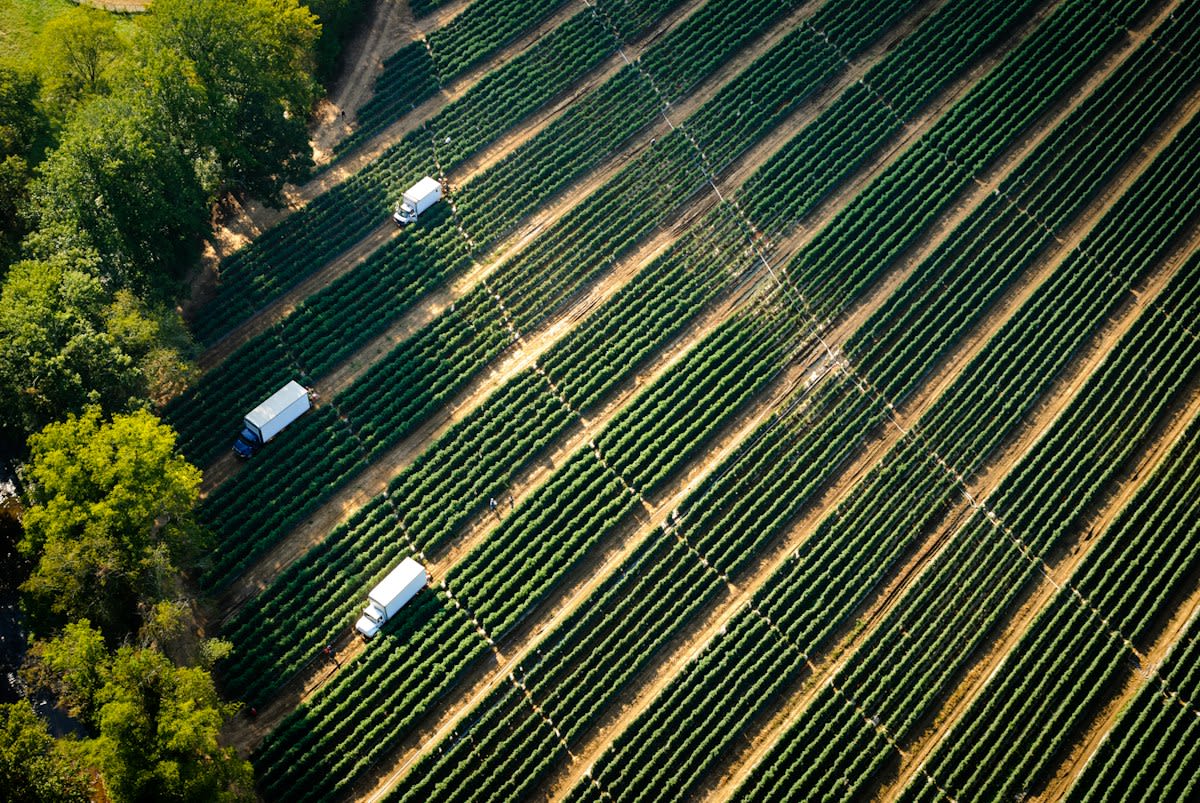
Water is the prize. In arid regions of India, agrivoltaic setups have reduced irrigation needs by 20% to 30% by slashing evapotranspiration rates (Source: Fraunhofer ISE, 2023). The soil breathes better. By preventing the direct solar bake of the topsoil, these systems maintain a moisture grip that traditional open-field farming loses by mid-July.
| Metric | Traditional Soil | Agrivoltaic System | Delta (%) |
|---|---|---|---|
| Water Consumption | 100% | 72% | -28% |
| Leafy Green Yield | Baseline | +15% | +15% |
| Land Use Efficiency | 1.0 | 1.6 | +60% |
Yields are climbing higher. Recent data from the University of Arizona indicates that certain leafy greens see a 15% increase in biomass when shielded from extreme UV radiation (Source: University of Arizona, 2022). Light is filtered. This managed light environment prevents the plant from entering a state of photoinhibition, which usually halts growth during the hottest hours of the day.
"The goal is no longer just adding solar to a farm; it is about designing a biological system where the panel acts as a climate regulator for the crop below."— Dr. Silvia Zappagnone, Lead Researcher at the Agrivoltaic Research Hub
Friction hides in height. Solar engineers want panels low to the ground to minimize steel costs and wind load, but farmers need at least four meters of clearance to run a combine harvester without shearing off a mounting bracket. This is the real war. I have seen projects in Spain stall for six months because the developer refused to raise the trackers by 50 centimeters, ignoring the mechanical reality of modern machinery.
Money drives the suture. Farmers are now seeing secondary revenue streams from energy sales that outweigh the risk of a slight dip in sunlight for their wheat. The risk is manageable. Most operators now utilize tracking software that tilts panels to prioritize crop light needs during the growing season and energy capture during the dormant phase.
Global Adoption Patterns
Japan leads the charge. They pioneered the 'solar sharing' model decades ago because their mountainous terrain makes large-scale dedicated solar parks nearly impossible (Source: METI Japan, 2023). Space is tight. Their model proves that high-density farming and energy production can occupy the same square meter without one killing the other.
Asia is scaling up. In Vietnam and Thailand, agrivoltaics are being integrated into aquaculture ponds to cool the water and produce power for aeration pumps (Source: ASEAN Energy, 2024). This closes the loop. The panels stop the ponds from overheating, which in turn reduces the energy needed for cooling systems.
Europe is refining rules. The European Union is currently drafting guidelines to ensure that agrivoltaic subsidies are tied to actual agricultural productivity rather than just the installation of panels (Source: EU Common Agricultural Policy, 2024). This prevents fraud. It ensures that the land remains a farm first and a power plant second.
Fact-Check & Accuracy Note
The primary academic debate centers on 'Light Saturation Points.' Some researchers argue that for C4 plants like corn, any shading leads to immediate yield loss. However, newer studies suggest that the reduction in heat stress and water loss compensates for the lower photon flux, resulting in a net gain in water-use efficiency.
The trend is permanent. We are moving away from the era of land competition and into an era of land stacking. The staying power of this model depends on the cost of steel. If mounting costs drop, the economic argument for agrivoltaics becomes an absolute default for arid-zone farming.
Who wins the race? The winners are the early adopters who are redesigning their crop rotations to fit the shade patterns of their arrays. They are smarter. By planting shade-loving berries under panels and sun-hungry grains in the corridors, they are maximizing every single photon.