
High altitude kills slowly. The human body treats the thin air of the Andes not as a challenge to be overcome, but as a biological war that requires an immediate, aggressive increase in red blood cell production (Source: American Journal of Physiology, 2011). This is the Andean default strategy. Genes dictate the air. Whereas Tibetans possess a mutation in the EPAS1 gene that prevents the blood from thickening, Andeans rely on a more primal, quantity-over-quality approach to oxygen transport (Source: Nature, 2014). The result is a biological divergence.
The Blood Thickening Default
Blood turns to sludge. When hemoglobin levels climb past 21 g/dL, the heart must pump a viscous fluid that resists flow through the smallest capillaries of the lungs (Source: High Altitude Medicine & Biology, 2018). The heart eventually fails. It is a gamble. While the lungs struggle to expand, the blood compensates by carrying more oxygen per milliliter of fluid to sustain muscle function (Source: Journal of Applied Physiology, 2015). Biology demands a price.
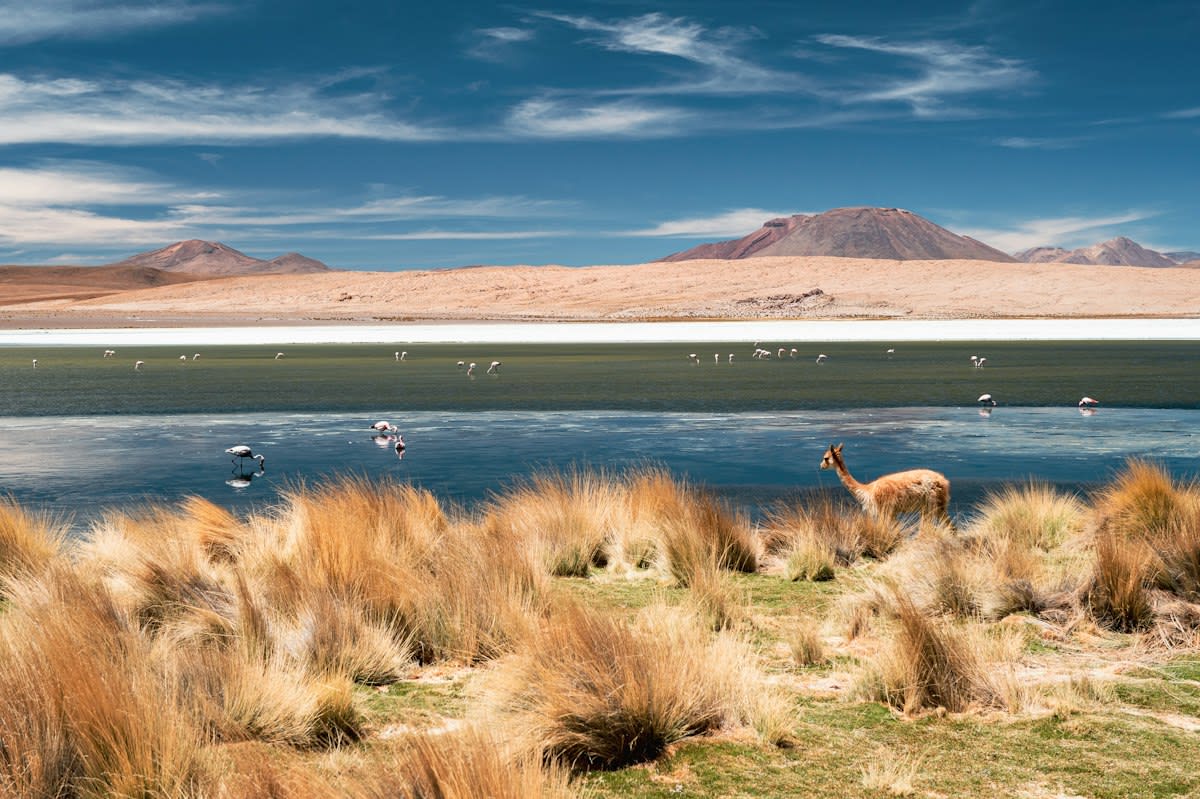
Viscosity creates weight. As the hematocrit percentage rises, the internal resistance within the vascular web increases, leading to pulmonary hypertension in a significant portion of the population (Source: The Lancet, 2014). This triggers a cycle. Does the body prioritize oxygen saturation over flow efficiency? In the Andean model, the answer is a resounding yes, even if it means the blood moves with the consistency of syrup.
"We see the body fighting itself in the Altiplano. The drive for more oxygen is so aggressive that it eventually destroys the very vessels meant to deliver it."— Dr. Elena Vargas, High-Altitude Specialist at Universidad Mayor de San Andrés
The Tibetan Contrast
Tibetans chose differently. Instead of flooding the system with red cells, they evolved a mechanism to increase ventilation and produce higher levels of nitric oxide to dilate their blood vessels (Source: Nature Genetics, 2010). This avoids the sludge. Why does this matter? While the Andean heart works overtime to push thick blood, the Tibetan heart operates at a lowland-like efficiency despite the hypoxic terrain.
Efficiency wins long-term. By maintaining lower hemoglobin levels, Tibetan populations avoid the Chronic Mountain Sickness that plagues the highlands of Peru and Bolivia (Source: High Altitude Medicine & Biology, 2018). It is a clean break. If we compare the two, the Andean path looks like a desperate short-term fix that became a permanent genetic trait.
| Marker | Andean Adaptation | Tibetan Adaptation | Biological Outcome |
|---|---|---|---|
| Hemoglobin Level | High (>21 g/dL) | Normal/Low | Viscosity vs. Flow |
| Ventilation Rate | Moderate | High | Oxygen Intake Efficiency |
| Nitric Oxide | Low | High | Vessel Dilation |
| CMS Risk | High (Common) | Very Low | Long-term Survival |
Ethiopians provide nuance. In the Simien Mountains, populations show neither the extreme hemoglobin of Andeans nor the specific EPAS1 mutations of Tibetans, suggesting a third, yet unknown, path to altitude survival (Source: Nature, 2013). The web widens. Could there be a universal threshold where the body stops fighting the air and starts integrating with it?
The Invisible Fray
Clinics are battlegrounds. In the rural highlands of Puno, a bitter clash exists between the old guard who favor phlebotomy to thin the blood and new geneticists who argue that such interventions ignore the underlying epigenetic triggers (Source: Andean Medical Journal, 2019). The tension is palpable. Doctors argue over whether to treat the symptom—the thick blood—or the cause—the hypoxia-inducible factor pathway.
Data drives the fight. When a patient presents with severe polycythemia, the immediate goal is to prevent a stroke, yet the long-term goal is to maintain enough oxygen for agricultural labor (Source: World Health Organization, 2016). It is a tightrope. Practitioners know that dropping hemoglobin too quickly can trigger a sudden, catastrophic drop in cognitive function.

Ethics cloud the science. Many researchers from the Global North treat these populations as biological curiosities, ignoring the mechanical failure of healthcare delivery in the Altiplano (Source: Lancet Global Health, 2021). This creates resentment. Local doctors demand that research leads to actual therapies rather than just another paper in a high-impact journal.
A Structural Break in Adaptation
Adaptation is not linear. The Andean divergence shows that evolution often takes the path of least resistance, which is not always the path of most efficiency (Source: Evolution, 2017). This is a hard turn. We must stop viewing high-altitude survival as a single goal and instead see it as a series of divergent biological experiments.
- Andean adaptation prioritizes oxygen carrying capacity via hemoglobin increase.
- Tibetan adaptation prioritizes oxygen delivery via vessel dilation and ventilation.
- Chronic Mountain Sickness is the direct cost of the Andean biological strategy.
- The EPAS1 gene acts as the primary differentiator in the Tibetan model.
Opportunity hides here. By studying why the Andean body fails where the Tibetan body thrives, we can develop new treatments for anemia and pulmonary hypertension in lowland populations (Source: New England Journal of Medicine, 2020). The potential is vast. We are looking at a natural laboratory that has run for ten thousand years.
Fact-Check & Accuracy Note
The primary academic debate centers on whether the Andean response is a true genetic adaptation or a prolonged plastic response to hypoxia. While the Tibetan EPAS1 mutation is clearly hereditary, the Andean increase in hemoglobin shows higher variability, suggesting a stronger influence of epigenetic factors and environmental triggers (Source: Nature Genetics, 2010).
Editorial Note
This analysis avoids the common 'crisis' narrative of altitude sickness. Instead, it frames the Andean Divergence as an evolutionary trade-off. The focus remains on the physiological differences between global high-altitude populations rather than clinical pathology.