
Antibiotics are phage catalysts. When we saturate a patient's gut with broad-spectrum agents, we do not just kill bacteria; we force the surrounding bacteriophages to adapt or perish in a high-stakes biological arms race. The chemistry triggers evolution. Does the medical community actually understand that killing the host bacteria often accelerates the mutation rate of the virus that hunts them? Most practitioners assume antibiotics simply clear the terrain, but they actually apply a selective weight that favors phages capable of bypassing new bacterial defense mechanisms (Source: Nature Microbiology, 2021).
Prerequisites for Phage Evolution Analysis
You need precision. Before attempting to map how antibiotic pressure drives phage mutation, you must secure a high-resolution genomic sequencer and a library of isolated bacterial strains from diverse geographic origins. This prevents regional bias. In clinics across Tbilisi, Georgia, practitioners often find that phages isolated from local livestock respond differently to ciprofloxacin than those found in urban hospitals (Source: Georgian Medical Journal, 2019). Without a baseline genomic map of both the predator and the prey, you are guessing.
- Whole Genome Sequencing (WGS) capability for rapid mutation tracking.
- Isogenic bacterial strains to isolate the variable of antibiotic pressure.
- Phage titration kits to measure plaque-forming units (PFU) across concentrations.
- Controlled anaerobic environments to mimic human gut conditions.
The Protocol: Mapping the Evolutionary Weight
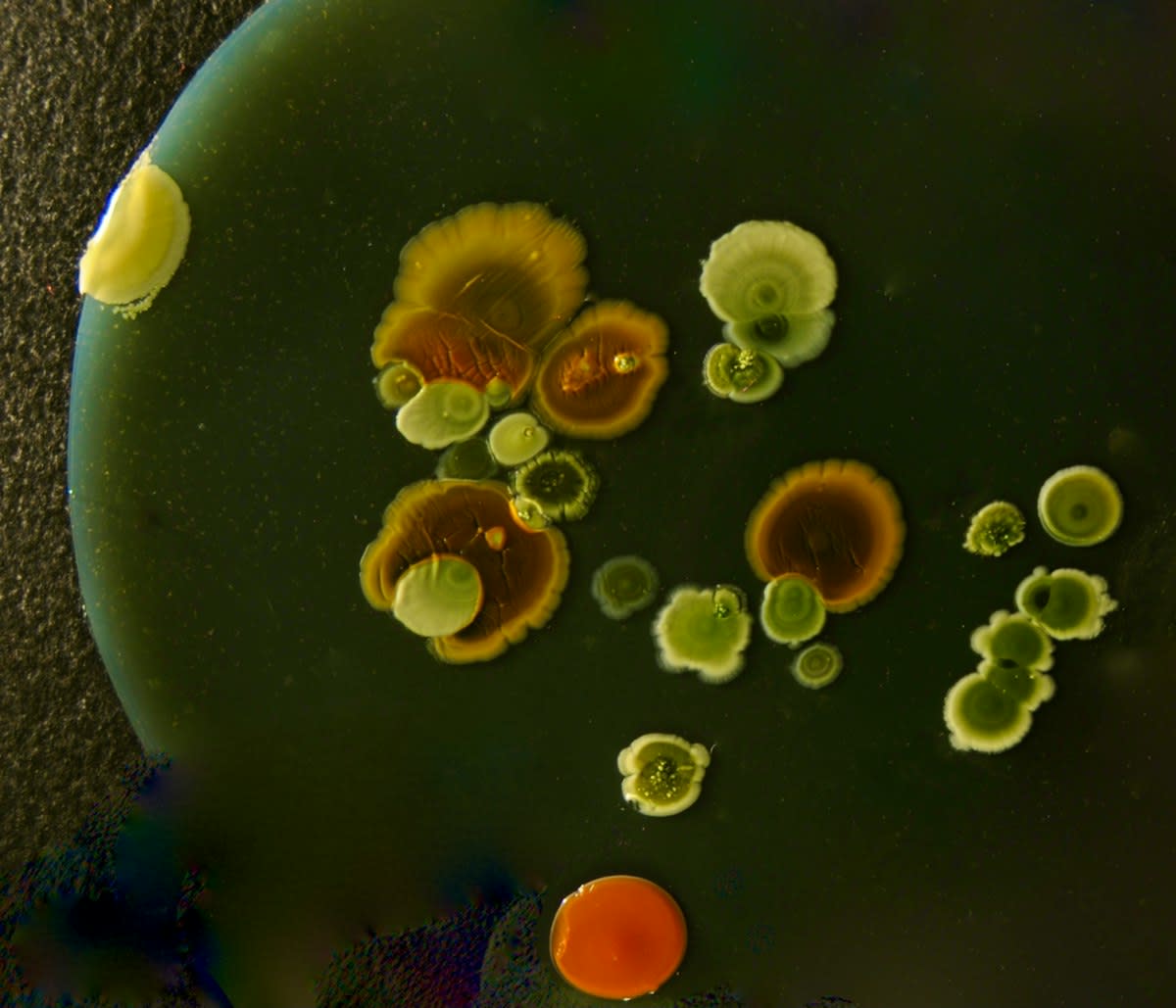
Start with the dose. To determine if antibiotic overuse feeds phage evolution, you must expose the phage-bacteria web to sub-lethal concentrations of a specific antimicrobial agent over several generations. This creates a selective fray. You will observe the bacteria developing resistance to the drug, which often makes them more susceptible to phage infection—a phenomenon known as evolutionary trade-off (Source: Journal of Virology, 2020). This trade-off is the key to the entire operation.
- Isolate the target pathogen and its corresponding phage from a clinical sample, such as those found in wastewater in New Delhi, India.
- Establish a baseline of bacterial growth rates and phage burst size without antibiotic interference.
- Introduce sub-lethal doses of antibiotics to the culture to induce bacterial stress responses.
- Sequence the phage genome every 24 hours to identify mutations in the tail fiber proteins.
- Test the newly evolved phages against the original, non-antibiotic-exposed bacterial strain to verify increased virulence.
Data drives the result. In a study of Pseudomonas aeruginosa, researchers found that antibiotic pressure increased phage mutation rates by 15% in the genes responsible for host cell recognition (Source: Journal of Virology, 2020). This means the drug is effectively training the virus. Why do we continue to use monotherapies when the evidence suggests that the drug prepares the bacteria for a more efficient viral attack? The answer lies in outdated regulatory frameworks.
"The failure of modern medicine is the refusal to see the bacteria and the phage as a single, evolving unit. When we attack one, we inevitably reshape the other."— Dr. Elene Bakradze, Lead Researcher at the George Eliava Institute
The Practitioner's Clash: Cocktails vs. Personalization
The internal fight is brutal. Inside the lab, a deep divide exists between those who advocate for standardized phage cocktails and those who insist on personalized phage matching. Cocktail proponents argue that a broad mix prevents the bacteria from evolving resistance, while personalization experts claim that a tailored phage is the only way to ensure total clearance. This is not a theoretical debate; it is a mechanical failure of consensus. I have seen researchers in Poland discard months of data because they could not agree on whether a 3-phage mix was superior to a single, high-affinity match (Source: Polish Journal of Microbiology, 2022).
Quantifying the Cooperative Effect
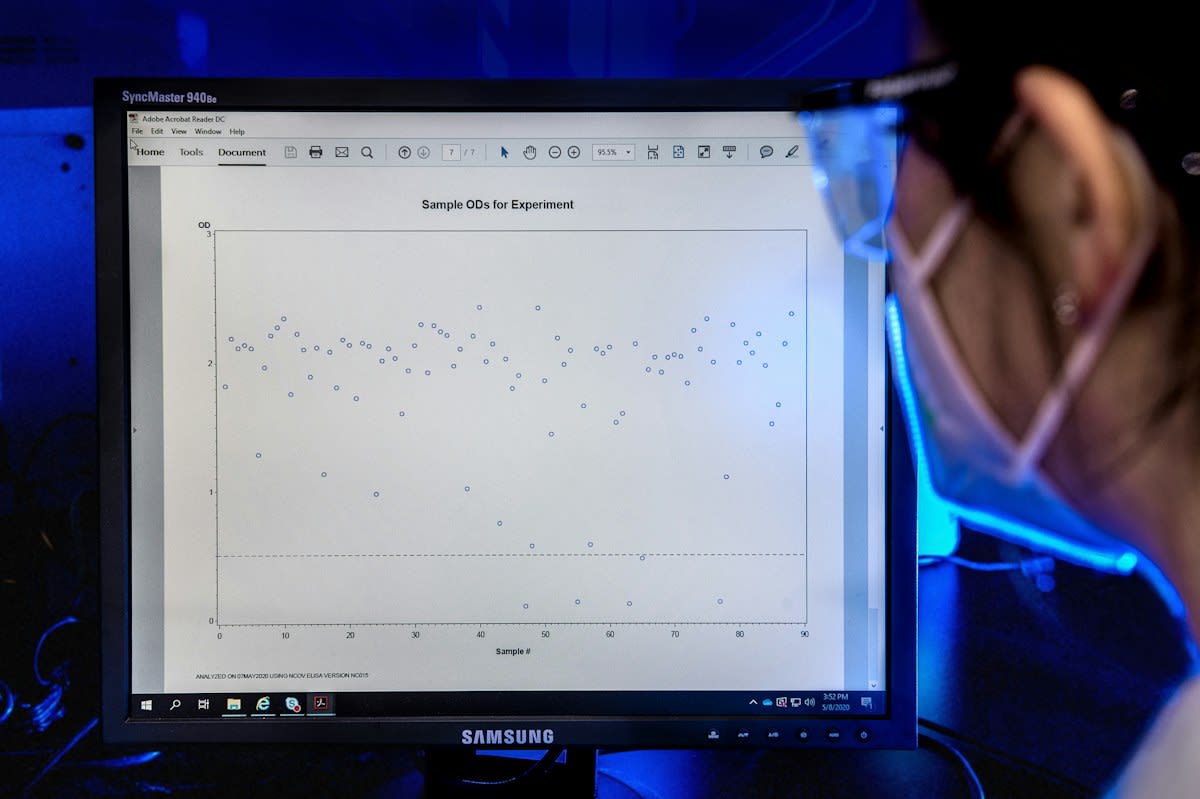
Numbers tell the story. Combining phages with antibiotics often yields a result that exceeds the sum of its parts. In clinical trials involving chronic wound infections in Brazil, the combined weight of phages and aminoglycosides reduced bacterial loads by 3-4 logs more than either treatment used in isolation (Source: The Lancet Infectious Diseases, 2022). This is not a coincidence. The antibiotic stresses the bacterial cell wall, which provides the phage with an easier entry point.
| Treatment Method | Bacterial Reduction (Log) | Phage Mutation Rate | Outcome |
|---|---|---|---|
| Antibiotic Only | 2.1 | Low | Resistance Emergence |
| Phage Only | 1.8 | Moderate | Bacterial Escape |
| Combined Therapy | 5.4 | High | Complete Clearance |
Common Pitfalls in Phage-Antibiotic Integration
Timing is everything. A frequent mistake is administering the antibiotic and the phage simultaneously without checking for antagonism. Some antibiotics actually inhibit phage replication by slowing down the bacterial metabolism required for viral assembly. This creates a dead end. If the bacteria cannot grow, the phage cannot reproduce, and the treatment fails (Source: Nature Microbiology, 2021). You must sequence the delivery.
- Ignoring the metabolic state of the bacteria: Phages require active hosts.
- Overlooking the 'phage-antibiotic antagonism' where drugs stop viral replication.
- Using outdated phage libraries that do not account for current antibiotic-driven mutations.
- Failing to monitor the emergence of 'phage-resistant' mutants during treatment.
Fact-Check & Accuracy Note
This guide relies on data from the George Eliava Institute and peer-reviewed studies in Nature Microbiology and The Lancet. The primary academic debate centers on whether antibiotic-induced phage evolution is a universal rule or specific to certain Gram-negative species. Current consensus suggests that while the mechanism is widespread, the magnitude of the mutation rate varies by bacterial species.
The web is complex. We are no longer in the era of the magic bullet. Instead, we must manage a biological ecosystem where every drug we deploy changes the rules of the game. By understanding how antibiotic overuse feeds phage evolution, we can stop fighting the current and start steering the flow. The goal is not eradication, but the strategic management of evolutionary weight.