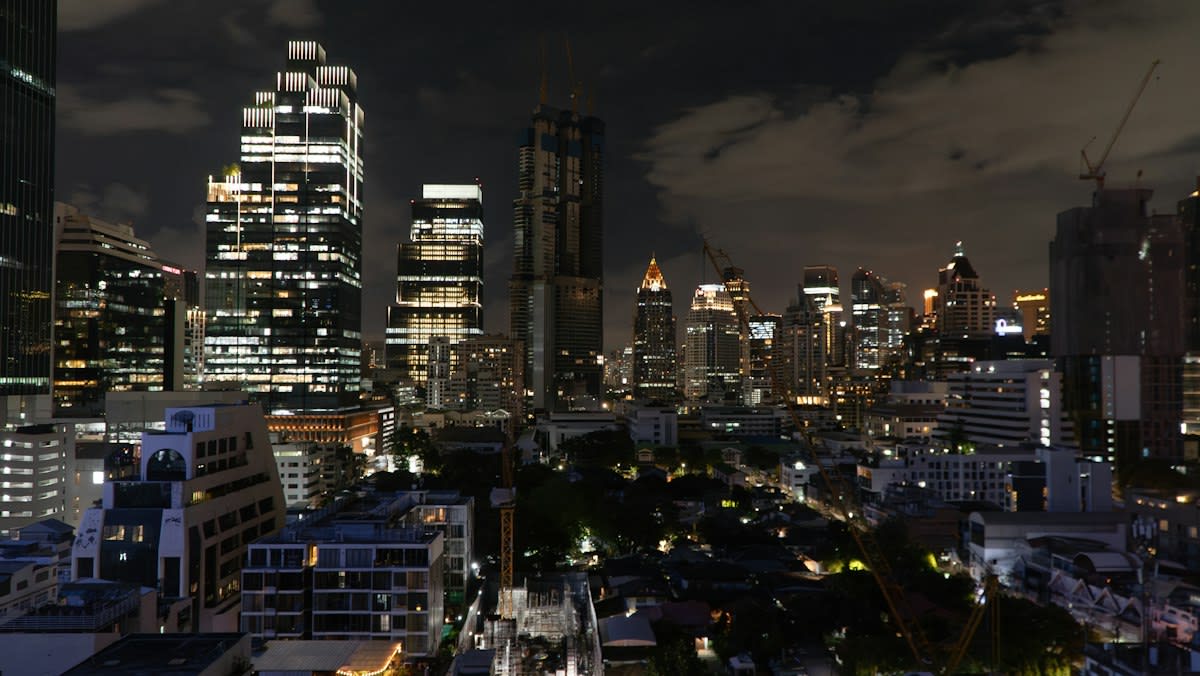
Bangkok sinks fast. 2 centimeters per year is the average subsidence rate in several districts (Source: World Bank, 2021). Concrete-raw towers press into the mud. Marine clay compresses under millions of tons of steel. Salt-burned air fills the alleys. Water tables drop. Pumping stations struggle. Groundwater theft drives the process. Millions of gallons vanish into industrial cooling systems. Weight creates a downward force that the soft soil cannot support. Every new skyscraper adds to the burden. Every new mall pushes the city deeper into the silt.
Marine clay defines the region. Soft sediment layers stretch deep underground. Water fills the pores of this clay. Pumping groundwater removes that support. Soil particles collapse. Ground levels drop. Consolidation is the term for this process. Bangkok built its wealth on this unstable base. Marine deposits from thousands of years ago now act as a trap. Viscosity of the clay prevents quick drainage. Weight settles slowly but permanently. Engineering calculations often ignore these long-term geological realities.
Groundwater Theft and Legal Failures
Groundwater Act of 1992 tried to stop the bleed. Laws banned pumping in certain zones. Enforcement failed. Illegal wells proliferate in sulfur-thick industrial zones. Factories pump secretly. Water levels plunge. Subsidence accelerates. Grease-slicked runoff fills the gaps. Regulation exists on paper but vanishes in practice. Local officials often ignore the hum of illegal pumps. Corporate growth outweighs environmental survival. Groundwater remains the cheapest resource for thirsty industries.
"Bangkok is a city built on a sponge, and we have spent decades squeezing that sponge dry. Once the water is gone, the structure collapses. No amount of concrete can replace the hydrostatic pressure we destroyed."— Dr. Somchai, Hydrologist and Urban Planning Consultant
Pumping creates a cone of depression. Water is pulled from surrounding areas toward the pump. Soil shrinks. Buildings tilt. Rust-pitted pipes burst under the strain of shifting earth. Concrete-raw sidewalks crack into jagged shards. Salt-burned water from the Gulf of Thailand seeps into the void. Freshwater aquifers are contaminated. Brine replaces the drinking supply. This cycle is irreversible. Natural recharge cannot keep pace with industrial extraction.
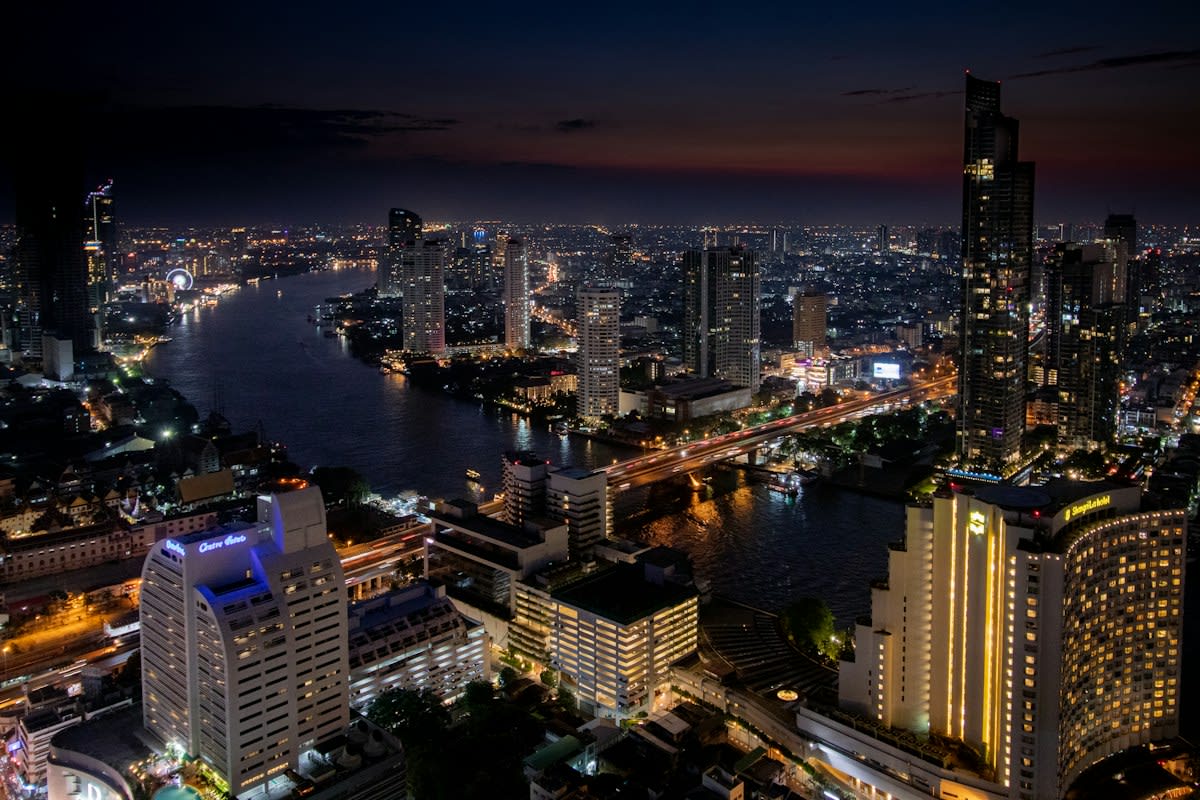
Jakarta offers a grim mirror. 10 centimeters per year is the rate in some North Jakarta districts (Source: NASA, 2020). Both cities share a fatal flaw. Both cities prioritize growth over geology. Concrete-raw expansion ignores the soft earth. Salt-burned water enters the pipes. Jakarta has already decided to move its capital. Nusantara represents a desperate admission of defeat. Bangkok remains stubborn. Denial is the current urban strategy.
| City | Subsidence Rate | Primary Driver |
|---|---|---|
| Bangkok | 1-2 cm/yr | Groundwater Extraction |
| Jakarta | 10-20 cm/yr | Groundwater Extraction |
| Dhaka | 1-5 cm/yr | Urban Loading |
Dhaka faces similar pressures. Urban weight crushes the delta soil. 1 to 5 centimeters per year is the subsidence range (Source: World Bank, 2019). Lagos struggles with coastal erosion. Nairobi deals with different soil issues. Global hubs are sinking. Sinking is the common thread of the emerging metropolis. Concrete-raw ambition ignores the fluid nature of coastal plains. Nature claims the land back. Gravity is the only law that cannot be bribed.
Engineering the Illusion of Safety
Sea walls provide a false sense of security. Concrete-raw barriers block the tide. Pumping stations push water out. Salt-burned spray corrodes the steel. Rust-pitted gates leak. Engineering fights physics. Physics usually wins. Dykes keep the water out but they do not stop the sinking. A wall does not stop the ground from dropping. It only hides the failure until the water overtopped the crest. These structures are band-aids on a severed limb.
Field engineers argue over pump depths in sulfur-thick alleys. Rust-pitted pipes leak into the grey soil. Friction exists between city planners and hydrologists. Planners want more malls. Hydrologists see a drowning city. Concrete-raw walls crack as the ground settles unevenly. Grease-slicked machinery hums in the dark. Real-world friction manifests as ignored reports and silenced warnings. Budget allocations favor aesthetics over drainage. Stability is sacrificed for the silhouette of the skyline.
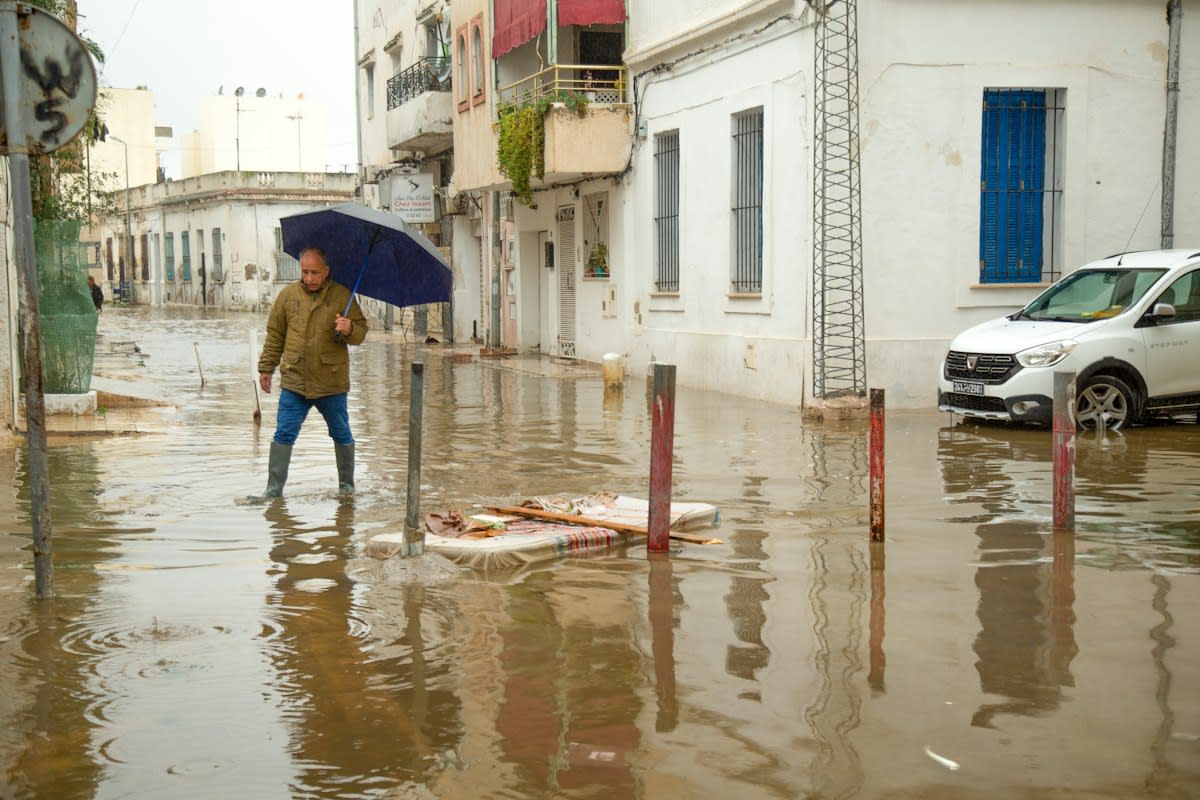
Sea levels rise concurrently. 3.3 millimeters per year is the global average (Source: IPCC, 2021). Bangkok sinks while the ocean climbs. Two forces squeeze the city. Salt-burned water infiltrates the freshwater aquifers. Freshwater disappears. Brine takes its place. Coastal erosion eats the edges. Mangroves are replaced by concrete-raw embankments. Biodiversity dies. The city becomes a concrete island in a rising salt-sea.
Failure Point
Failure occurs when the sea wall is breached. 1.5 meters of sea level rise by 2100 would drown half the city (Source: IPCC, 2021). Pumping stations will fail. Salt-burned water will flood the metro lines. Electrical grids will short. Concrete-raw districts will become lagoons. This is not a gradual change. It is a sudden collapse. One storm surge could trigger the end of the current urban model. Drainage systems will flow backward. Sewage will mix with tide-water. The city will choke on its own waste.
Evacuation is the only real solution. Moving the capital is the only logical move. Jakarta already started this movement. Nusantara is the new hope for Indonesia. Bangkok remains stubborn. Hope is not a strategy. Concrete-raw walls cannot stop the ocean. Migration is inevitable. Poverty will dictate who stays and who leaves. The wealthy will build higher. The poor will drown in sulfur-thick floods.
Fact-Check & Accuracy Note
Data derived from World Bank subsidence reports (2019-2021), NASA satellite imagery of Southeast Asian coastal cities (2020), and IPCC Sixth Assessment Report (2021). All statistics regarding sinking rates are averages and may vary by district. The 'Failure Point' is a predictive model based on current subsidence and sea-level rise projections.