The Biological Imperative
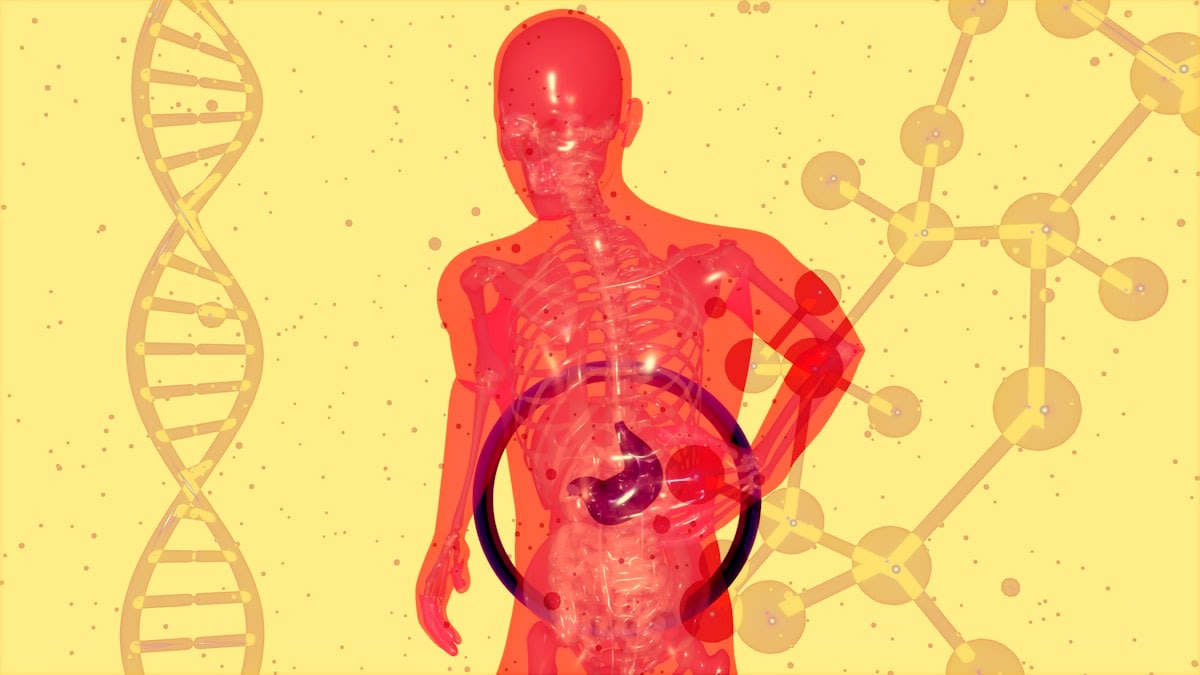
Most athletes treat their bodies like machines with a linear power switch: you turn it on, you push it to the limit, and you turn it off. This is a fundamental error. Your body is not a machine; it is a rhythmic biological system governed by an internal clock that dictates everything from muscle protein synthesis to cognitive focus. When you train against this clock, you aren't just fighting fatigue—you are fighting your own endocrine system. Why do some days feel like a breeze while the exact same workout feels like a mountain a week later?
The secret lies in the synchronization of your training load with your hormonal peaks. By aligning high-intensity efforts with the natural surge of cortisol and core body temperature, you maximize power output and minimize the risk of injury. Conversely, ignoring these rhythms leads to a state of chronic misalignment, where the body struggles to recover because the training stimulus is delivered during a biological trough. This isn't about marginal gains; it is about systemic efficiency.
Prerequisites: What You Need to Track
You cannot sync with a rhythm you haven't mapped. Before altering your training schedule, you must gather baseline data to understand your specific biological deviations. While general human biology provides a map, your individual 'chronotype' determines your specific terrain.
- Basal Body Temperature (BBT): A morning reading to track metabolic shifts and cycle phases.
- Heart Rate Variability (HRV): To measure autonomic nervous system readiness and recovery status.
- Sleep Architecture Data: Tracking deep sleep and REM cycles to determine cognitive recovery windows.
- Subjective Energy Log: A simple 1-10 scale of perceived energy every three hours for one full lunar cycle.
- Menstrual Cycle Tracking: For female athletes, tracking the follicular and luteal phases is non-negotiable.
The Daily Rhythm: Cortisol and Core Temperature
The circadian rhythm is the primary driver of daily performance. Cortisol, often unfairly labeled as just a stress hormone, is actually your primary mobilization hormone. It peaks shortly after waking—the Cortisol Awakening Response (CAR)—to prime your body for action (Source: National Institutes of Health, 2022). If you attempt a maximal strength session during a cortisol trough, usually occurring in the mid-afternoon for many, you are fighting a biological deficit.
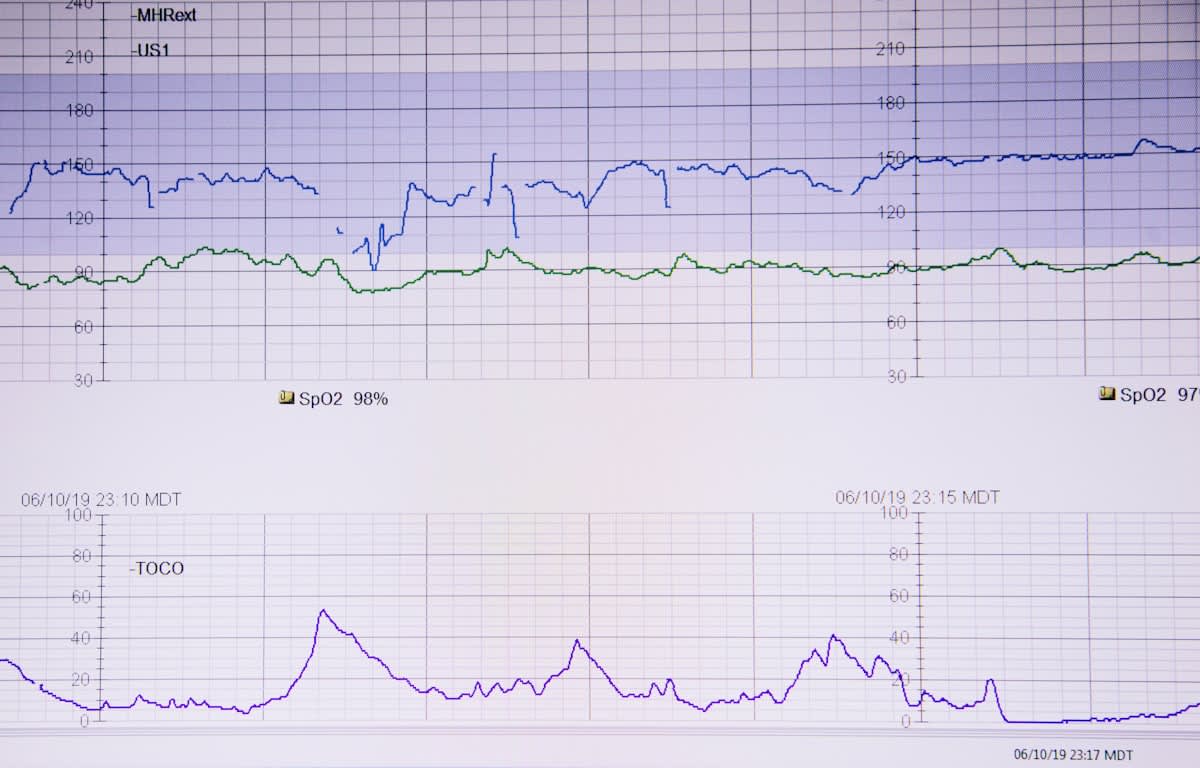
Core body temperature follows a similar curve, typically hitting its zenith in the late afternoon. This temperature spike increases muscle elasticity and nerve conduction velocity, which is why many world records in athletics are set during late-day competitions. According to data from the Sleep Foundation (2023), a rise in core temperature is directly correlated with increased reaction time and explosive power. Training for hypertrophy or strength in this window allows for higher loads with lower perceived exertion.
"The mistake most practitioners make is assuming the 5 AM workout is the gold standard for everyone. For a 'night owl' chronotype, forcing a high-intensity session at dawn is an invitation for injury and hormonal burnout."— Dr. Matthew Walker, Neuroscientist and Sleep Expert
The Monthly Rhythm: Infradian Syncing
For women, the daily circadian rhythm is overlaid by the infradian rhythm—the menstrual cycle. This is where the most significant performance gaps occur. During the follicular phase, higher estrogen levels increase insulin sensitivity and glucose uptake, making this the ideal window for high-intensity interval training (HIIT) and heavy lifting (Source: PubMed/Sports Medicine, 2021). The body is essentially primed for growth and power.
The shift happens in the luteal phase. Progesterone rises, increasing the basal body temperature and elevating the heart rate. This shift makes high-intensity cardio feel significantly more taxing and increases the rate of protein breakdown. Attempting to maintain a linear progression during this phase often leads to overtraining syndrome. Instead, shifting toward steady-state aerobic work or mobility training aligns with the body's natural pivot toward recovery and conservation.
How to Build Your Bio-Rhythm Blueprint
Transitioning from a rigid schedule to a rhythmic one requires a shift in mindset. You are moving from 'following a plan' to 'responding to a signal.' This process takes roughly 30 to 60 days to calibrate.
- Map Your Energy Peaks: For two weeks, log your perceived energy and focus levels every 3 hours. Identify your 'Power Window' (peak energy) and your 'Trough' (lowest energy).
- Align Intensity with Cortisol: Schedule your most demanding CNS-heavy workouts (Max strength, sprints) during your Power Window, typically 6-10 hours after waking.
- Schedule Recovery in the Trough: Use your mid-afternoon or late-evening energy dips for low-intensity steady-state (LISS) cardio, yoga, or active recovery.
- Integrate Infradian Adjustments: If applicable, plan a 'deload' week during the late luteal phase, reducing volume by 30-50% to account for increased metabolic heat and protein catabolism.
- Audit and Adjust: Every 28 days, compare your performance metrics (weight lifted, pace) against your energy logs to refine the timing.
Does this mean you should never work out at 5 AM? Not necessarily. But it means if you do, you must acknowledge the biological cost. A morning athlete may need a longer warm-up to artificially raise core temperature and a more aggressive nutritional strategy to support the cortisol spike.
The Practitioner's View: Ground-Level Reality
In the trenches of high-performance coaching, there is a heated debate between 'Linear Periodization' and 'Auto-regulatory Training.' Linear periodization—the classic 'Week 1, Week 2, Week 3' approach—is efficient for beginners but fails the advanced athlete because it ignores the bio-rhythm. I have seen countless athletes in Tokyo and London crash because they tried to hit a programmed PR on a day when their HRV was in the basement and their progesterone was peaking. The friction occurs when the ego wants the number on the page, but the biology is screaming for rest.
The most successful athletes I've worked with are those who have learned to 'negotiate' with their biology. They don't abandon the plan, but they shift the intensity. If the biological markers signal a trough, they pivot to a technical session. This flexibility prevents the systemic inflammation that leads to long-term injury and keeps the athlete in the game longer.
Common Pitfalls in Bio-Syncing
- The Data Trap: Over-relying on wearable tech. A low HRV score is a signal, not a command. Use it as a prompt to check in with your actual feeling of readiness.
- The 'Optimal' Obsession: Trying to perfectly time every single movement. Biology is fluid; if you spend more energy stressing over the 'perfect window' than training, you've lost the benefit.
- Ignoring Environmental Shifts: Forgetting that seasonal changes (winter vs summer) shift your circadian clock. Your 'Power Window' in July may be two hours different than in January.
- Neglecting the Sleep Foundation: Trying to sync training while sleeping 5 hours a night. Bio-rhythms are built on the foundation of sleep; without it, the rhythms are fragmented and useless.
Fact-Check & Accuracy Note
Key claims regarding cortisol peaks and core temperature are sourced from the National Institutes of Health (2022) and the Sleep Foundation (2023). The relationship between the menstrual cycle and athletic performance is based on consensus data from PubMed's Sports Medicine archives (2021). Note: Individual chronotypes vary significantly, and these guidelines should be adapted based on personal data tracking.