
Your birth certificate is a lie. It tracks the number of times you have orbited the sun, but it tells you absolutely nothing about the actual state of your mitochondria, the integrity of your organs, or the fraying ends of your chromosomes. This is the fundamental divide between chronological age and biological age. While the former is a fixed mathematical certainty, the latter is a dynamic variable. Two people can both be 60 years old on paper, yet one may possess the cardiovascular resilience of a 45-year-old while the other struggles with the systemic frailty of an 80-year-old. Why does this gap exist? It comes down to the accumulation of wear, damage, and loss of function within your cells.
Measuring this gap is no longer a theoretical exercise for longevity researchers in secluded labs. We now have the tools to conduct a Biological Age Audit. By analyzing specific blood markers and physical indicators, we can determine your biological age acceleration—the rate at which your body is aging relative to your actual years. When your biological age outpaces your calendar age, you are essentially living on a fast-forward track toward physical deterioration. The goal of a practitioner is not merely to survive, but to decelerate this clock through precise, data-driven interventions.
The Non-Linearity of Decay
Biological age is not a straight line. Longevity science indicates that aging occurs in sudden drop-offs rather than a steady decline. This explains why some years feel physically more brutal than others; your body may be hitting a cellular cliff.
Prerequisites: What You Will Need for the Audit
You cannot optimize what you do not measure. To begin a biological age audit, you must move beyond basic annual check-ups. You need a comprehensive panel of biomarkers that reflect systemic inflammation, metabolic health, and organ efficiency. These markers serve as the raw data for validated estimation methods like PhenoAge and KDM biological age. Without this baseline, any attempt at longevity is just guesswork based on wellness trends.
- Blood Glucose and Cholesterol levels to assess metabolic stress.
- Blood Pressure readings to evaluate cardiovascular strain.
- Kidney function indicators to measure filtration efficiency.
- Inflammation signals (such as C-reactive protein) to detect systemic stress.
- Telomere length analysis (rLTL) to check the protective caps of your chromosomes.
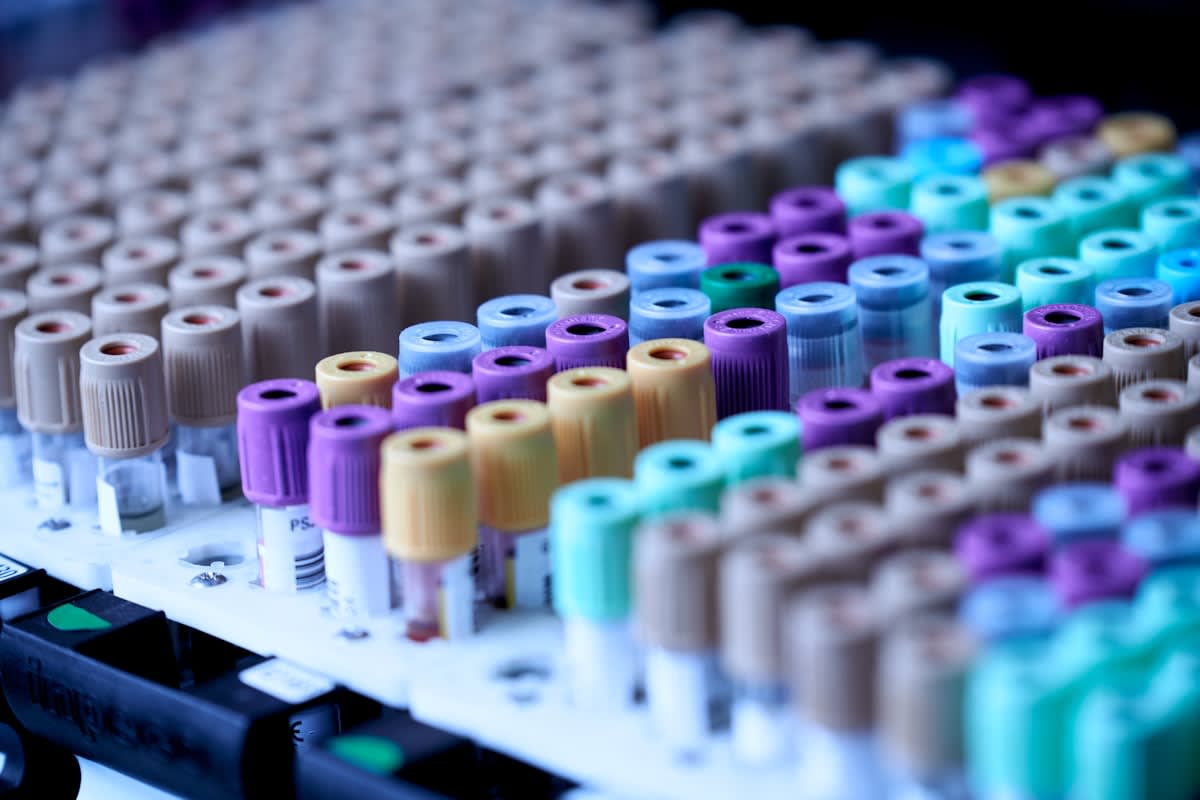
Once you have these markers, you can apply them to a biological age formula. For instance, a validated method combines eight different health markers into a single estimate. This provides a snapshot of how your body actually functions. If you are 58 but your markers align with a 62-year-old, you have a biological age acceleration of four years. This delta is your primary target for reduction.
The Step-by-Step Process to Reducing Your Epigenetic Clock
- Establish your baseline by calculating your PhenoAge or KDM biological age using the blood markers mentioned above.
- Audit your caffeine sources. Switch from instant coffee to filter coffee. Research indicates a link between filter coffee and slower aging, whereas instant coffee is associated with faster biological age acceleration, particularly for those consuming three or more cups daily.
- Mitigate environmental heat stress. Scorching summers have been shown to speed up the rate at which the body ages. In one study between 2011 and 2015, 58.8% of participants showed accelerated biological aging, with the average biological age increasing from 57.3 to 62.3 years.
- Implement the Nine Core Habits. Focus on sleep quality, hydration, a balanced diet, and regular exercise to lower inflammation and reduce disease risk.
- Monitor for 'drop-off' periods. Since aging is non-linear, increase your focus on recovery and nutrient density during years where you feel a sudden decline in strength or recovery speed.
- Re-test your biomarkers every six months to validate which interventions are actually shifting your biological age downward.
The shift from instant to filter coffee might seem trivial, but it is about the chemistry of what enters your system. While espresso showed no statistically clear association with biological aging, the distinction between filter and instant is stark. If you are a heavy coffee drinker, the cumulative effect of instant coffee could be pushing your biological clock forward. Why gamble with your telomeres—the protective structures on your chromosomes—when a simple change in brewing method could preserve them?
Environmental factors are equally aggressive. We often view heatwaves as temporary discomforts, but the biological reality is more severe. Extreme heat acts as a systemic stressor that accelerates physical deterioration. When your body is forced to operate under extreme thermal stress, it consumes cellular resources and increases inflammation, which reflects directly in your blood markers. This is not just a localized issue; it is a global challenge as temperatures rise.

To truly move the needle, you must address the root cause of acceleration: inflammation. The nine lifestyle habits—ranging from hydration to sleep—are not mere suggestions; they are the mechanical levers that reduce systemic inflammation. When inflammation drops, the pressure on your organs decreases, and the rate of telomere shortening slows. This creates a compounding effect of resilience over time.
Analyzing the Data: Acceleration Metrics
To understand the scale of the problem, look at the longitudinal data. Between 2011 and 2015, a significant portion of the studied population experienced a rapid jump in biological age. The jump from an average of 57.3 to 62.3 years in just four calendar years is a staggering acceleration. This suggests that for many, the body is aging significantly faster than the calendar suggests, often due to a combination of environmental stressors and poor lifestyle habits.
| Factor | Impact on Biological Age | Evidence/Observation |
|---|---|---|
| Filter Coffee | Deceleration | Linked to slower aging processes |
| Instant Coffee (3+ cups/day) | Acceleration | Highest levels of biological age acceleration |
| Extreme Summer Heat | Acceleration | 58.8% of participants showed accelerated aging |
| Nine Lifestyle Habits | Deceleration | Reduction in inflammation and disease risk |
This data forces us to ask: are we passive observers of our own decay? The fact that biological age is personal means that your trajectory is not predetermined. If you can identify the specific triggers—be it your coffee choice or your exposure to extreme heat—you can implement countermeasures. The goal is to maintain a biological age that is equal to or lower than your chronological age.
"Biological age estimates how much wear, damage, and loss of function has accumulated in cells, tissues, and organs, which is why two 60-year-olds can have very different strength, blood pressure, or recovery."— Longevity Science Expert
Common Pitfalls in Biological Age Reduction
Many people make the mistake of focusing on a single marker. For example, they might obsess over their cholesterol while ignoring their inflammation signals or kidney function. Biological age is a composite metric. To lower it, you must address the entire spectrum of health markers. A low cholesterol reading means little if your systemic inflammation is skyrocketing due to lack of sleep and poor hydration.
Another common error is the belief that aging is a linear process. People often become complacent during 'stable' years, only to be blindsided by a sudden biological drop-off. Because aging happens in steps, you must maintain your defensive habits even when you feel great. The most dangerous time to stop your audit is when you feel the most resilient, as this is often when the next cellular cliff is approaching.
Finally, do not ignore the environmental context. You can have a perfect diet and exercise routine, but if you are living in an area with scorching summers without proper mitigation, you are fighting an uphill battle. Adaptation to your environment is as critical as the nutrients you put in your body. Resilience is the result of both internal optimization and external protection.