Trump ‘in no rush’ to launch Iran strikes after midterms, signals deal ‘could happen’ as election day comes close
Source Entity
Latest News: Todays Latest News Headlines from India & World | Hindustan Times
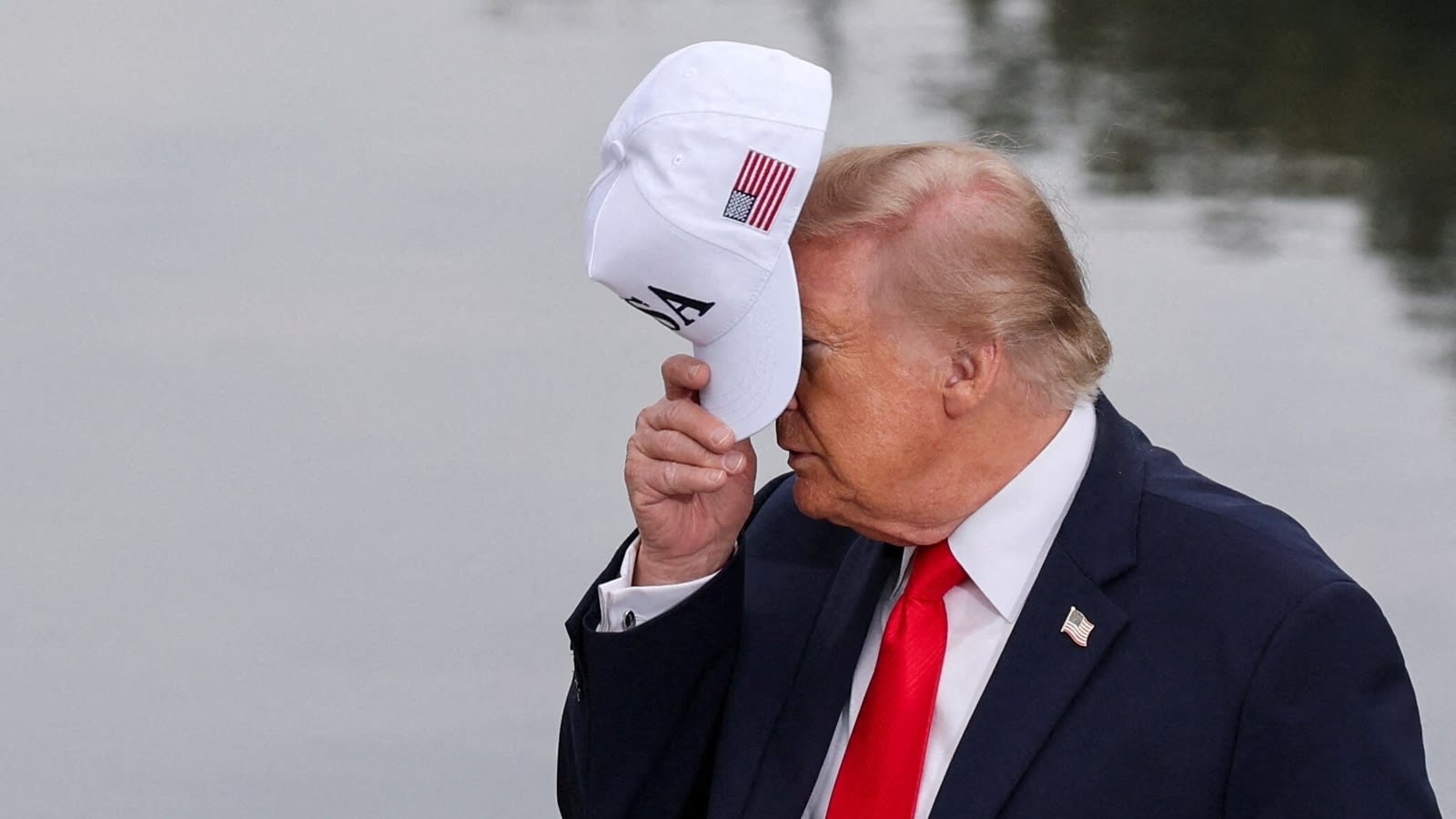
President Trump and VP JD Vance are signaling a potential diplomatic pivot regarding Iran as midterm elections approach. Amid declining approval ratings, the administration suggests a deal is possible to avoid military escalation.
The Shift in US-Iran Policy: A Pre-Election Recalibration
As the November 5 midterm elections loom, the administration of President Donald Trump has signaled a noticeable shift in its posture toward Iran. After months of heightened military tensions and the constant threat of targeted strikes, the President has explicitly stated he is in "no rush" to initiate military action. This pivot appears to be a calculated maneuver designed to stabilize the geopolitical landscape during a critical window of domestic political vulnerability.
The Impact of Domestic Political Pressure
The timing of this diplomatic softening coincides with a significant dip in President Trump’s approval ratings, which reached a historic low of 32% in a recent Reuters/Ipsos poll as of November 3. Analysis suggests that the public's anxiety regarding the potential for an expanded conflict with Iran is a primary driver of this dissatisfaction. By signaling that a deal "could happen," the administration is likely attempting to mitigate voter concerns and reshape the narrative from one of inevitable war to one of diplomatic competence.
Economic Implications and Rhetoric
President Trump has leveraged the economic consequences of his rhetoric to justify this new stance, specifically noting that oil prices have dropped significantly due to the market's perception that a war is no longer imminent. By framing the potential for a settlement as a victory for the US economy, the administration is attempting to turn a potential foreign policy crisis into a domestic economic win. This rhetoric is clearly intended to reassure markets and voters alike that the path to stability is open if Iran is willing to cooperate.
The Role of Vice President JD Vance
Vice President JD Vance has emerged as a key intermediary in these efforts, confirming that the administration has engaged in "good conversations" with Iranian officials. While the White House has remained tight-lipped regarding the specific details of a letter sent by Vance to Iran’s security chief, Mohsen Rezaei, the administration has characterized the outreach as humanitarian, focusing on medical supplies. This back-channel communication suggests a high-level effort to de-escalate tensions before the election cycle concludes.
Conflicting Pressures and Future Outlook
Despite the push for a diplomatic resolution, the administration faces competing pressures. Reports indicate that Prime Minister Benjamin Netanyahu continues to lobby for renewed strikes, while regional Gulf nations have expressed urgent concerns regarding the potential for further escalation. This leaves the administration in a delicate position: attempting to satisfy domestic demands for peace while balancing the strategic interests of traditional allies in the Middle East.
Conclusion: A Strategic Pause or Lasting Change?
Whether this shift in rhetoric represents a genuine long-term policy change or a temporary "election-year truce" remains to be seen. The administration’s current focus is clearly on navigating the immediate political fallout of the conflict. Moving forward, the success of these negotiations will depend on whether both the US and Iran can move beyond initial conversations to address the underlying security and political grievances that have brought them to the brink of conflict.
Verification Required?