EC eases Bengal SIR rules: E-sign for tribunal judges, can upload bulk orders on portal
Source Entity
BHARTI JAIN
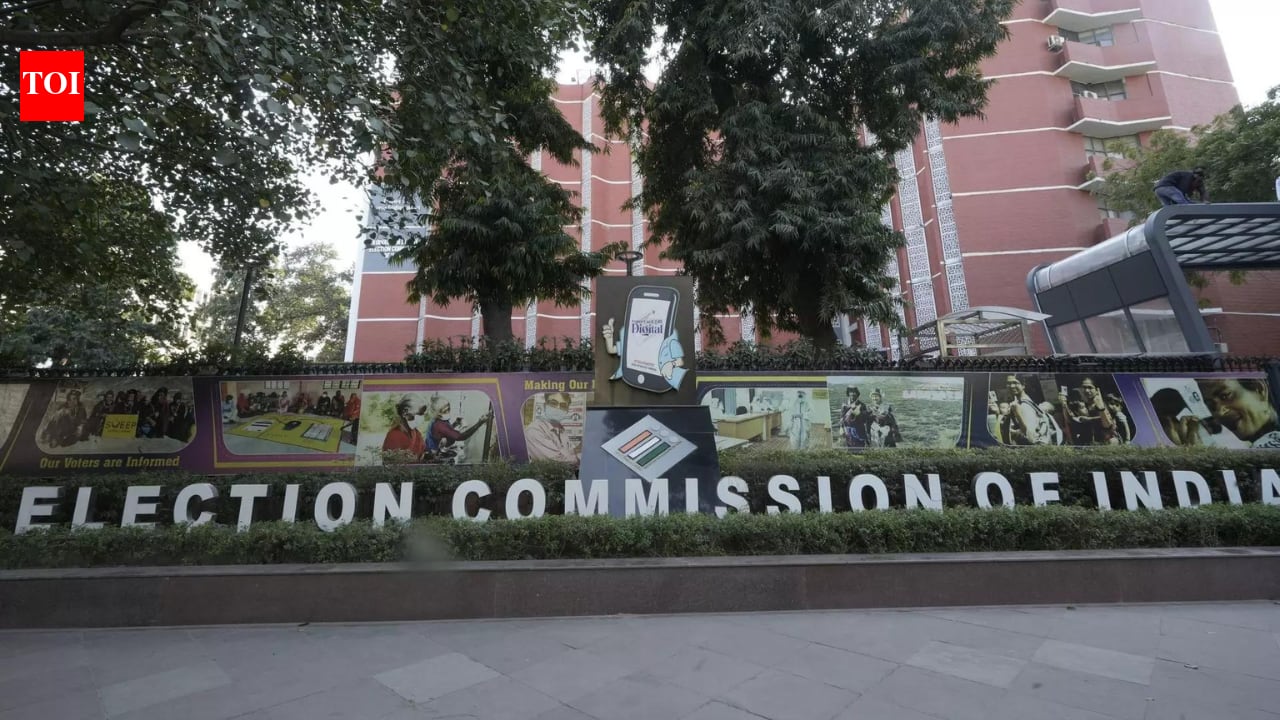
The Election Commission of India has streamlined the SIR tribunal procedures in West Bengal by upgrading its portal to allow bulk order uploads and flexible document handling. These updates, including the shift to digital signature certificates for judges, aim to enhance administrative efficiency in electoral dispute resolution.
Streamlining Electoral Justice: The EC's Digital Transformation in Bengal
The Election Commission (EC) of India has initiated a significant technical overhaul of the Special Summary Revision (SIR) tribunal portal specifically tailored for West Bengal. By introducing functional upgrades such as the ability to upload bulk orders and save drafts, the Commission is addressing long-standing administrative bottlenecks that have historically hindered the speed of electoral grievance redressal. These changes represent a shift toward a more agile digital infrastructure, ensuring that the tribunal can manage the high volume of documentation required during the revision process more effectively.
Expanding Procedural Flexibility
One of the most critical updates to the portal is the expanded capacity for judges to rely on documentation beyond the previously restricted list of thirteen items. By allowing for additional documentation, the EC is providing tribunal judges with greater judicial discretion and a more comprehensive evidentiary base. This change acknowledges the complexity of electoral rolls and the nuanced nature of objections filed during the revision process, ensuring that final decisions are based on a broader and more accurate set of facts.
Transitioning to Digital Signature Certificates
The EC is also mandating a transition from Aadhaar-authenticated e-signs to Digital Signature Certificates (DSC) for judges logging into the system. This move is significant from a cybersecurity and authentication perspective. While Aadhaar-based e-signs were a convenient entry point for digital verification, the move to DSCs provides a more robust, enterprise-grade security layer suitable for high-stakes judicial and quasi-judicial processes. This ensures that the integrity of the uploaded orders remains beyond reproach.
Implications for Administrative Efficiency
These technical adjustments are designed to minimize the manual burden on tribunal staff and the judiciary. By enabling bulk order uploads, the EC is directly responding to the logistical pressures faced in a state as populous as West Bengal. The ability to save drafts also prevents data loss and allows for a more iterative approach to drafting orders, which is essential when handling complex legal disputes that require careful deliberation and cross-referencing of electoral data.
Future Trends and Conclusion
The ongoing integration of digital tools into the electoral process signals a broader trend of modernization within the Election Commission. As the Commission continues to refine its digital ecosystem, we can expect further integrations that prioritize user experience and systemic security. These advancements in the Bengal SIR tribunal are a microcosm of the EC’s wider goal: to leverage technology to ensure that electoral rolls are maintained with the highest degree of accuracy, transparency, and speed, ultimately strengthening the democratic framework of the nation.