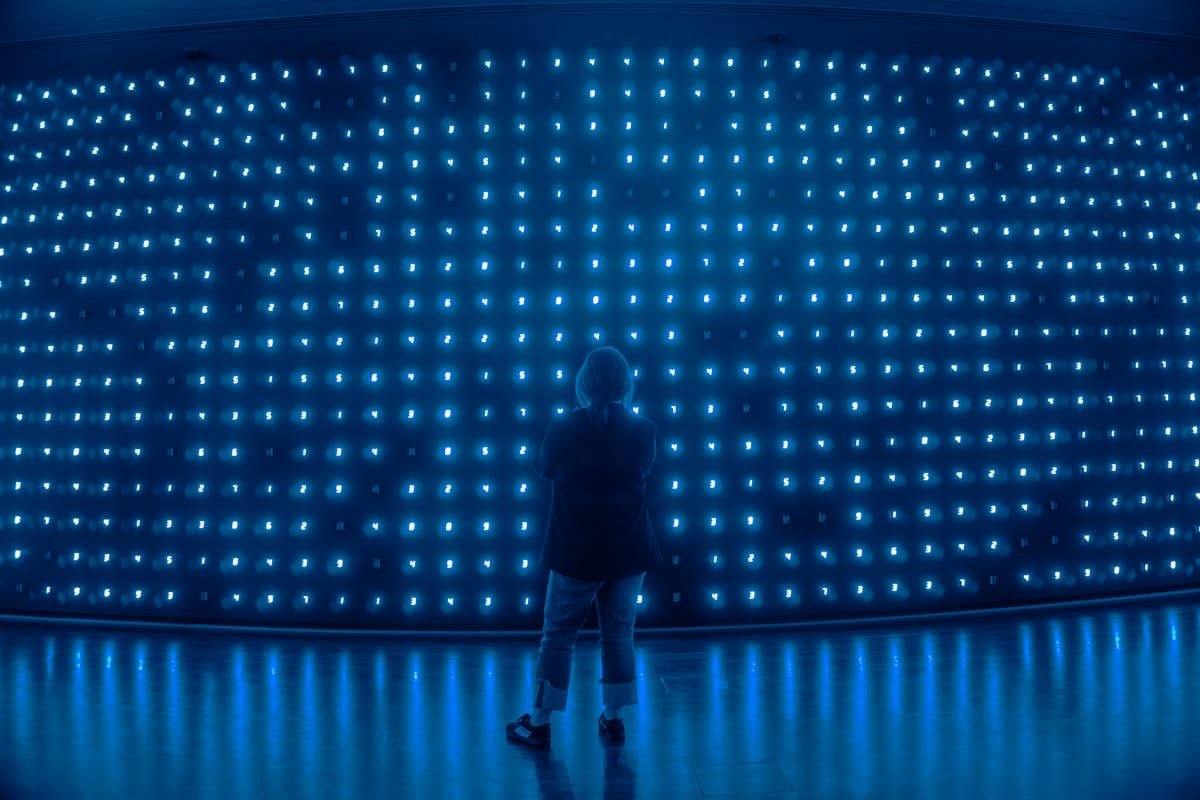
We have become dangerously obsessed with the digital twin of our planet. From orbital satellites measuring methane plumes to deep-sea pressure sensors, the modern approach to environmental monitoring is built on the premise that more data equals more foresight. But there is a fundamental lag in silicon. By the time a sensor triggers an alert based on a statistical threshold, the systemic shift has already occurred. The real leading indicators aren't made of circuitry; they are made of carbon, chitin, and calcium.
Enter the biological alarm. Certain species, known as sentinel species, possess physiological sensitivities that make them hyper-reactive to minute changes in their environment. These organisms don't just live in an ecosystem; they embody it. When a specific amphibian population crashes in the cloud forests of Costa Rica or a particular lichen disappears from the Scandinavian tundra, they aren't just victims of change. They are the signal. Why do we continue to prioritize lagged digital data over these real-time biological warnings?
The Fallacy of the Digital Threshold
The current institutional framework for planetary monitoring relies on 'thresholds'—predefined numbers that, once crossed, trigger a response. This is a linear way of thinking in a non-linear world. Biological systems, however, operate on complex feedback loops. A sentinel species doesn't wait for a temperature to hit exactly 2.0 degrees Celsius to react; it reacts to the synergistic effect of temperature, pH levels, and nutrient availability all at once. This integrated response provides a holistic snapshot that no single sensor can replicate.
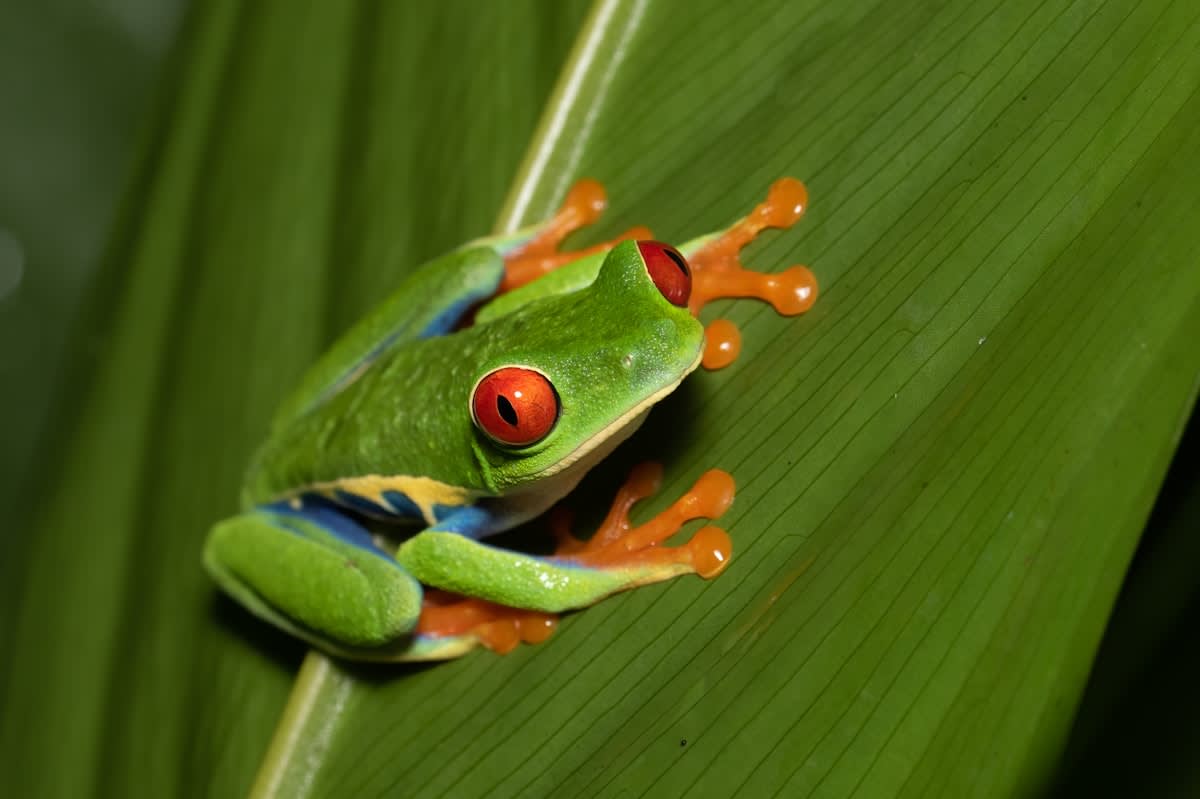
Consider the amphibian. With their highly permeable skin, frogs and salamanders absorb chemicals and pollutants directly from their environment. They are, in effect, living sponges for ecological toxicity. According to the International Union for Conservation of Nature (Source: IUCN, 2023), approximately 41% of amphibian species are currently threatened with extinction. This isn't just a conservation tragedy; it is a systemic warning. When amphibian populations collapse, it signals a breakdown in the local hydrological and chemical balance long before water quality sensors might flag a violation of regulatory standards.
"The mistake we make is treating species loss as the outcome of a crisis, rather than the primary indicator that the crisis has already begun. We are looking at the smoke and ignoring the thermometer."— Dr. Elena Rossi, Senior Researcher at the Global Biodiversity Observatory
This shift in perspective transforms our understanding of biodiversity. Instead of viewing a species as a static asset to be preserved, we view it as a functional component of a planetary diagnostic tool. The loss of a 'specialist' species—one that requires very specific conditions to survive—is the most reliable signal that a regime shift is underway.
The Practitioner's Friction: Data vs. Observation
In the field, there is a persistent, quiet war between the data scientists and the field biologists. I have sat in rooms where project managers dismiss the observations of a local tracker or a field botanist because the 'dashboard' shows everything is green. The friction arises from a fundamental disagreement on what constitutes evidence. The data scientist wants a CSV file with a p-value; the biologist points to the fact that the bees have stopped visiting the highland orchids in the Ethiopian plateau.
This disconnect is where the most critical warnings are lost. The 'dashboard' is often measuring the average, but biological alarms trigger at the edges. By the time the average shifts enough to trigger a digital alarm, the tipping point has often been passed. The real debate among practitioners isn't about whether the planet is changing—it's about whether we have the humility to trust biological signals over digital ones.
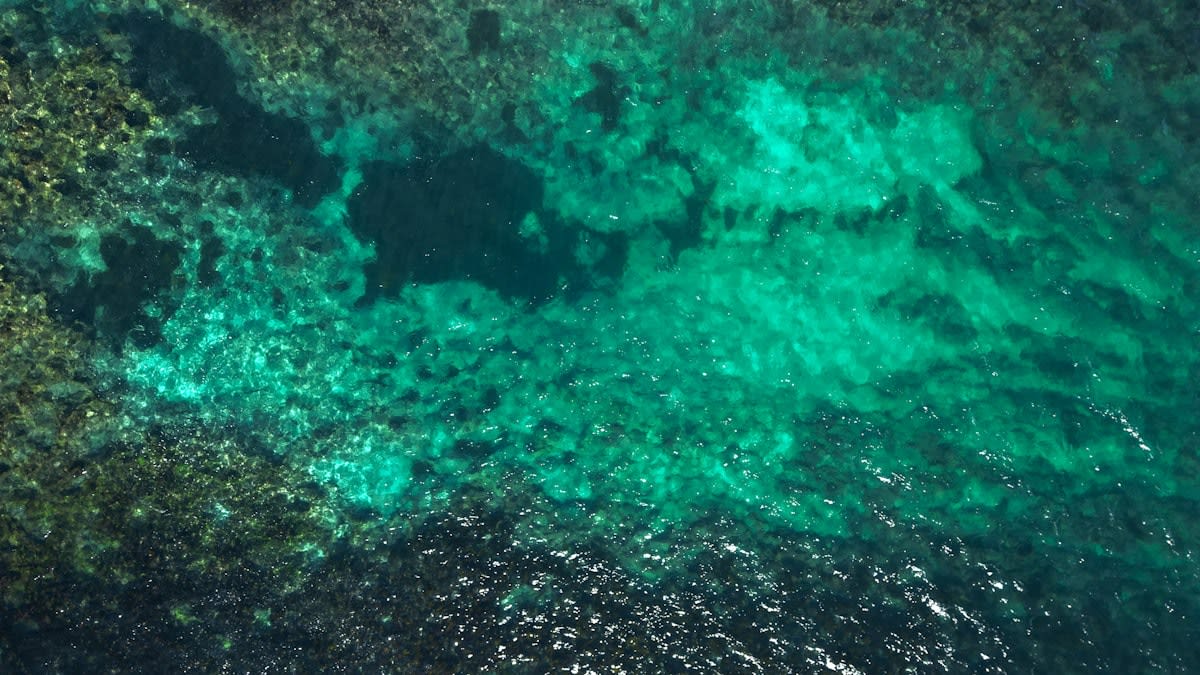
Oceanic sentinels provide another stark example. Corals are not merely beautiful structures; they are precision instruments for measuring ocean chemistry. The Intergovernmental Panel on Climate Change has noted that 70-90% of coral reefs could be lost if global warming reaches 1.5C (Source: IPCC, 2021). When corals bleach, they are sounding a biological alarm about the saturation state of aragonite and the thermal limits of the ocean. A sensor can tell you the water is warmer, but a coral tells you the water is no longer habitable.
Comparative Analysis: Sensor-Based vs. Bio-Indicator Monitoring
| Feature | Digital Sensor Networks | Biological Sentinel Species |
|---|---|---|
| Response Time | Lagged (requires threshold breach) | Immediate (physiological reaction) |
| Data Scope | Single-variable (e.g., Temp, pH) | Multi-variable (synergistic effects) |
| Cost of Deployment | High (hardware, power, maintenance) | Low (inherent to the ecosystem) |
| Signal Type | Quantitative/Linear | Qualitative/Systemic |
| Failure Mode | Hardware malfunction/Battery death | Population collapse (the signal itself) |
The table above highlights the strategic advantage of biological monitoring. While we need digital sensors for precise quantification, we need biological sentinels for systemic orientation. For instance, the decline of pollinator abundance—estimated at 25% in certain European regions (Source: IPBES, 2019)—is a far more comprehensive warning about agricultural resilience than a soil nitrogen sensor could ever provide.
From Crisis to Adaptation: The Opportunity
Instead of viewing the decline of sentinel species as a signal of inevitable collapse, we should view it as a roadmap for adaptation. If we can identify which species are reacting first, we can map the specific vulnerabilities of a region. This allows for a 'surgical' approach to resilience. Rather than blanket policies, we can implement targeted interventions in the exact zones where the biological alarms are ringing loudest.
This requires a move toward 'Biomimetic Monitoring'—a framework where we integrate biological observations into our digital models. Imagine a system where the sudden migration shift of a bird species in the Mekong Delta automatically triggers a high-resolution satellite sweep of the area to identify the cause. This creates a hybrid intelligence system that combines the precision of silicon with the sensitivity of life.
The goal is not to replace the sensor, but to let the organism tell the sensor where to look. By elevating the status of sentinel species from 'endangered animals' to 'critical infrastructure,' we change the economic calculus of conservation. Protecting a species is no longer just an ethical imperative; it is a strategic necessity for planetary survival.
Fact-Check & Accuracy Note
The key claims regarding amphibian extinction rates are sourced from the IUCN Red List (2023), and coral loss projections are attributed to the IPCC Special Report on the Ocean and Cryosphere (2021). The data on pollinator decline is sourced from the IPBES Global Assessment Report (2019). Ongoing debate exists regarding the 'noise' in biological data—specifically, how to distinguish between localized population fluctuations and systemic planetary shifts.