Your calendar is a lie. We have been conditioned to believe that the standard nine-to-five window is the universal gold standard for productivity, regardless of whether you are a natural early bird or a dedicated night owl. This misalignment isn't just a matter of feeling groggy during a Tuesday morning sync; it is a fundamental conflict between your professional obligations and your internal biological clock. When you force a night owl into a 7 AM deep-work session, you aren't just fighting sleepiness—you are fighting your own neurochemistry. The result is a slow slide into burnout, characterized by cognitive fog and an inability to maintain focus.
I have spent years implementing these protocols for high-output individuals, and the most common mistake I see is the attempt to 'discipline' one's way out of a circadian mismatch. You cannot willpower your way into a different chronotype. Instead, you must perform a Biological Clock Audit. This process involves identifying your unique energy peaks and troughs and then ruthlessly restructuring your workday to match them. It is about shifting from time management to energy management.
Prerequisites for the Audit
- An energy-tracking log (digital or analog) to record cognitive clarity every two hours.
- Controlled access to natural sunlight within 60 minutes of waking.
- The ability to shift at least 20% of your meeting schedule to accommodate deep-work blocks.
- A commitment to a 90-minute caffeine delay upon waking.
- A basic understanding of your current burnout symptoms (e.g., irritability, brain fog, chronic fatigue).
Step 1: The Energy Mapping Phase
Before you can optimize, you must observe. Most people guess when they are most productive, but guesses are dangerous in a high-stakes environment. You need to track your cognitive output across a full seven-day cycle. This means logging your focus levels, mood, and energy every two hours. Are you hitting a wall at 3 PM? Do you find a sudden burst of clarity at 11 PM? This data allows you to identify your chronotype—whether you are an early bird or a night owl—and pinpoint your ultradian rhythms, those shorter cycles of energy that occur within the larger circadian day (Source: Threads, 2026).
Once you have this map, you can identify your energy vampires. These are the tasks, people, or environmental triggers that drain your battery faster than usual. For some, it is the back-to-back Zoom calls that leave them depleted; for others, it is the fragmented nature of constant Slack notifications. The goal here is not just to find the peaks, but to protect them from these vampires.
Step 2: Establishing the Morning Anchor
The way you start your day sets the hormonal stage for everything that follows. The primary objective is to trigger the morning cortisol spike, which is essential for alertness and focus. The most effective way to do this is through immediate exposure to natural sunlight right after waking. This signal tells your brain that the day has begun and sets a timer for melatonin production later that night (Source: Instagram/Huberman, 2026).
"Implementing neuroscience-backed morning protocols optimizes circadian rhythms, enhances cognitive focus, and stabilizes daily energy levels."— Andrew Huberman, Neuroscientist as cited in Instagram/Huberman Podcast Summary, 2026
One of the hardest but most rewarding adjustments I've implemented with clients is the caffeine delay. Most people reach for coffee the moment they open their eyes, but this interferes with the natural clearance of adenosine and often leads to the dreaded afternoon crash. By delaying caffeine intake by 90 minutes, you allow your natural cortisol to do the heavy lifting, resulting in a more stable energy curve throughout the day (Source: Instagram/Huberman, 2026).

Step 3: Task Batching by Cognitive Load
Now that you have your energy map and your morning anchor, you must align your tasks with your biology. I categorize work into three levels of cognitive load: Deep Work (high focus, complex problem solving), Shallow Work (emails, admin, scheduling), and Maintenance (meetings, networking, low-stakes collaboration). The mistake most professionals make is scheduling shallow work during their peak energy windows and trying to force deep work during their troughs.
- Identify your peak cognitive window (e.g., 9 AM to 12 PM for early birds, 7 PM to 10 PM for night owls).
- Block this window for Deep Work only. No meetings, no emails, no distractions.
- Schedule your 'energy vampire' tasks—like administrative cleanup—during your natural energy dip (typically the mid-afternoon slump).
- Utilize ultradian rhythms by working in 90-minute sprints followed by 15-minute breaks of complete cognitive detachment.
- Align nutrition timing to avoid heavy, carb-rich meals during peak focus windows to prevent insulin-induced lethargy.
Does this sound idealistic? In a corporate environment, it often is. I have seen this play out in real-time with executives who struggle to implement these shifts because their culture prizes 'presence' over 'output'. The internal debate among high-performance practitioners usually centers on how to negotiate this flexibility. The key is to frame the request not as a preference, but as a performance optimization. When you can prove that your output doubles when you move a 9 AM meeting to 11 AM, the conversation changes from 'perks' to 'productivity'.
Step 4: The Sunset Protocol and Recovery
Your workday doesn't end when you close your laptop; it ends when your brain actually shuts down. To ensure you can repeat this high-performance cycle, you must implement a sunset protocol. This involves reducing artificial light exposure in the evening to allow melatonin to rise naturally. I recommend cooling down your body temperature and practicing long-exhale breathing to signal to the nervous system that the period of high-alertness has concluded (Source: Instagram/Huberman, 2026).
| Time Block | Early Bird Activity | Night Owl Activity | Biological Goal |
|---|---|---|---|
| 06:00 - 09:00 | Deep Work / Sunlight | Sleep / Slow Wake | Cortisol Trigger |
| 09:00 - 12:00 | Meetings / Admin | Deep Work / Sunlight | Cognitive Peak |
| 13:00 - 16:00 | Shallow Work / Nap | Meetings / Admin | Trough Management |
| 17:00 - 21:00 | Wind-down / Family | Deep Work / Creative | Second Peak (Owl) |
The High Stakes of Misalignment
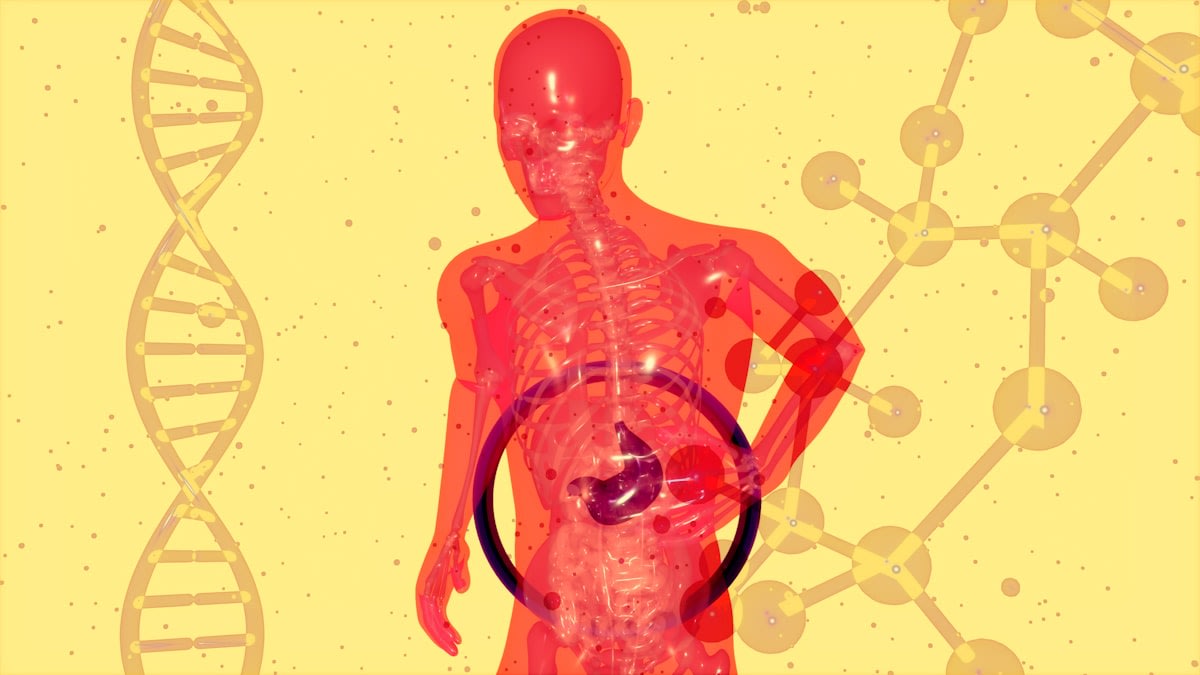
This isn't just about getting more done; it is about your long-term health. Circadian disruption is not a benign annoyance. Research indicates that insufficient sleep combined with circadian misalignment contributes significantly to the risk of metabolic disorders. Specifically, this misalignment can increase the likelihood of obesity and diabetes by disrupting how the body processes glucose and manages cardiometabolic health (Source: American Academy of Sleep Medicine, 2026).
When you live in a state of permanent jet lag—which is what happens when your work schedule is diametrically opposed to your biology—you are placing a chronic stress load on your system. This is why some of the most successful people in the world eventually hit a wall of total burnout. They weren't overworking; they were working at the wrong time.
Common Pitfalls to Avoid
- The Optimization Trap: Spending more time tweaking your schedule than actually doing the work. Use the audit to simplify, not complicate.
- Ignoring Burnout Signals: Trying to use circadian alignment to 'push through' severe burnout. If you are already depleted, you need recovery first, not just a new schedule.
- The Rigidity Fallacy: Believing your chronotype is static. While largely genetic, factors like age and environment can shift your rhythms slightly over time.
- Over-reliance on Supplements: Using melatonin or caffeine to force a schedule rather than using light and temperature to invite it.
Editorial Note
This guide is based on the principle of Biological Alignment. The goal is not to achieve a 'perfect' day, but to reduce the friction between your biology and your professional demands. If you find that your workplace culture is fundamentally incompatible with your health, the audit serves as the evidence you need to seek a more flexible environment.
Fact-Check & Accuracy Note
Key claims regarding morning sunlight, the 90-minute caffeine delay, and the role of cortisol are sourced from the Huberman/Shamani podcast summaries (2026). Claims regarding the link between circadian misalignment and cardiometabolic risks (obesity, diabetes) are sourced from the American Academy of Sleep Medicine (2026). The framework for energy tracking and 'energy vampires' is adapted from personal energy management protocols (Source: Threads, 2026).