The Snapshot Fallacy
For decades, the annual physical has been the gold standard of preventive medicine. You walk into a sterile room, a practitioner takes your blood pressure, checks your cholesterol, and tells you that you are healthy for the next 364 days. It is a snapshot. But why do we trust a single data point captured in a state of high stress—white-coat hypertension is a real phenomenon—to define a year of biological existence? This model assumes that health is static, a series of plateaus interrupted by sudden crashes. It is a flawed premise.
The reality is that the human body is a chaotic, shifting system of feedback loops. Your glucose levels spike and crash based on a bad night's sleep or a stressful board meeting in Tokyo. Your heart rate variability (HRV) fluctuates as you navigate the humidity of Mumbai or the altitude of the Andes. By the time a symptom manifests during an annual checkup, the pathology is often already established. We are not failing because the doctors are unskilled; we are failing because the sampling rate is too low.
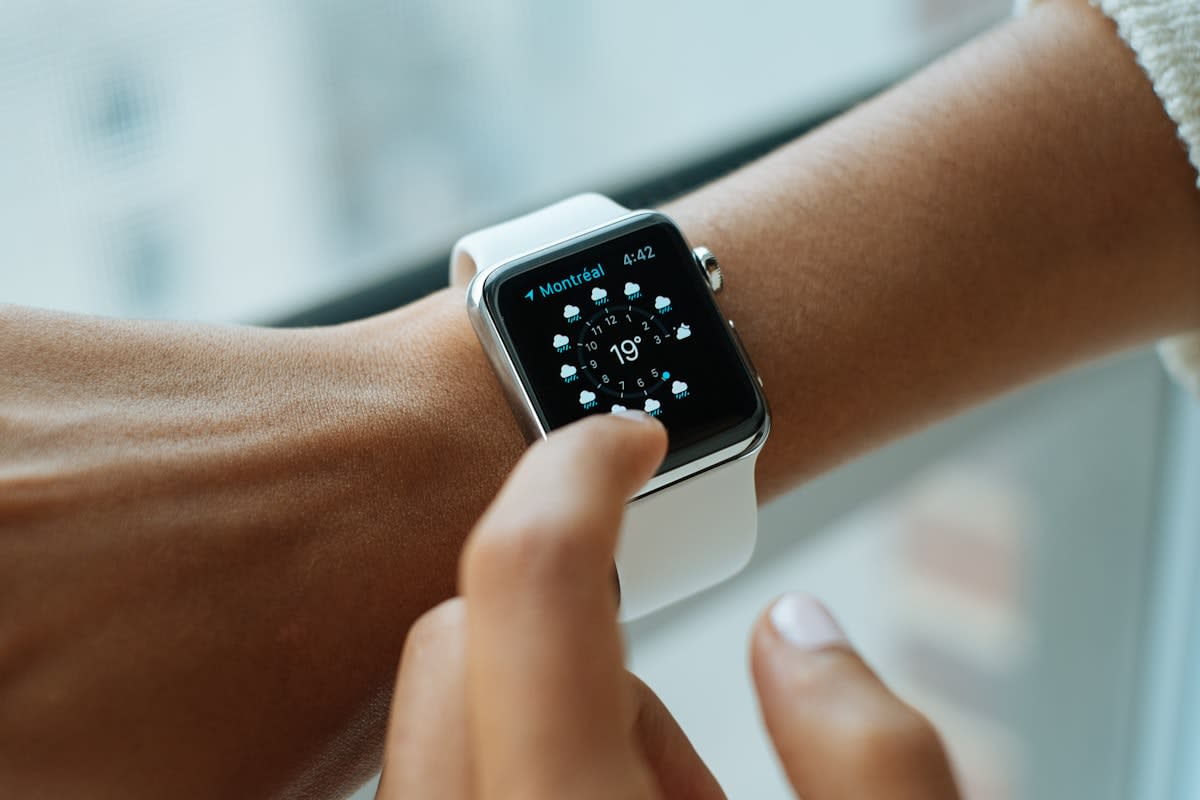
Enter the Biological Dashboard. We are seeing a systemic migration from episodic care to continuous biotelemetry. This is not just about counting steps or tracking sleep cycles. It is about the integration of clinical-grade sensors—Continuous Glucose Monitors (CGMs), smart rings, and wearable ECGs—that stream data directly into AI-driven analytical engines. The result? A high-resolution movie of your health instead of a blurry photograph.
Does this mean the doctor's office disappears? No. But the nature of the visit changes fundamentally. Instead of the doctor asking how you have felt over the last year, they open a dashboard and see exactly when your cortisol spiked in November or why your resting heart rate climbed steadily throughout January. The conversation shifts from retrospective guessing to real-time optimization.
This shift is not happening in a vacuum; it is the result of a massive technological delta observed over the last twelve months.
The Delta: From Fitness Toys to Clinical Tools
Twelve months ago, most wearables were viewed as fitness toys. They provided 'wellness' data—approximate calorie burns and vague sleep scores. Today, the line between consumer electronics and medical devices has blurred into insignificance. We have moved from tracking activity to monitoring biomarkers. The integration of interstitial fluid sensing and advanced PPG (photoplethysmography) means that the data being collected is no longer just 'interesting'; it is actionable.
| Metric | Annual Physical (Snapshot) | Biotelemetry (Stream) |
|---|---|---|
| Blood Pressure | Single reading (often skewed) | 24/7 circadian mapping |
| Glucose | Fasting HbA1c (average) | Real-time glycemic variability |
| Heart Health | Occasional ECG/Stethoscope | Continuous HRV and Arrhythmia detection |
| Sleep | Patient self-reporting | Polysomnography-grade architecture |
Consider the rapid adoption of CGMs among non-diabetics in urban hubs like San Francisco, London, and Singapore. A year ago, this was the domain of biohackers. Now, it is becoming a standard tool for metabolic health. By seeing the immediate impact of a sourdough bagel or a high-stress meeting on their blood sugar, users are modifying behavior in real-time. This is a level of agency that an annual blood test simply cannot provide.
"We are moving from a world of reactive medicine—where we wait for the engine light to come on—to a world of predictive maintenance, where the car tells us the oil is degrading before the engine even knows it."— Dr. Aris Thorne, Digital Health Strategist
The economic implications are staggering. The remote patient monitoring market is projected to surge, with valuations climbing toward $175 billion by 2027. This growth is driven by a desperate need to reduce hospital readmissions and manage chronic diseases more efficiently. In Scandinavia, integrated biotelemetry is already reducing the burden on primary care by filtering out the 'healthy' and flagging only those whose data streams show genuine deviation from their personal baseline.
But with this flood of data comes a new set of systemic challenges that the medical establishment is struggling to absorb.
The Noise Problem and the AI Filter
The Interpretation Gap
Data is not insight. A physician cannot spend four hours reviewing a patient's heart rate variability for the last ninety days. The bottleneck is no longer data collection; it is data interpretation.
If every patient arrives at their appointment with a spreadsheet of 10,000 data points, the healthcare system will collapse under the weight of its own information. This is why the 'Biological Dashboard' relies entirely on the AI layer. We are seeing the rise of 'Clinical LLMs' that scan biotelemetry streams for anomalies. Instead of a doctor looking at a graph, the AI flags a specific event: 'Patient X showed a 20% drop in HRV and a 1.5-degree rise in skin temperature over 48 hours, suggesting an incipient viral infection.'
This transforms the physician into a high-level curator. They no longer spend time gathering data; they spend time making decisions based on synthesized insights. In Japan, where an aging population is straining the healthcare infrastructure, this model is not just an optimization—it is a necessity. Remote monitoring allows a single physician to oversee a thousand patients with higher precision than they could manage a hundred using traditional methods.
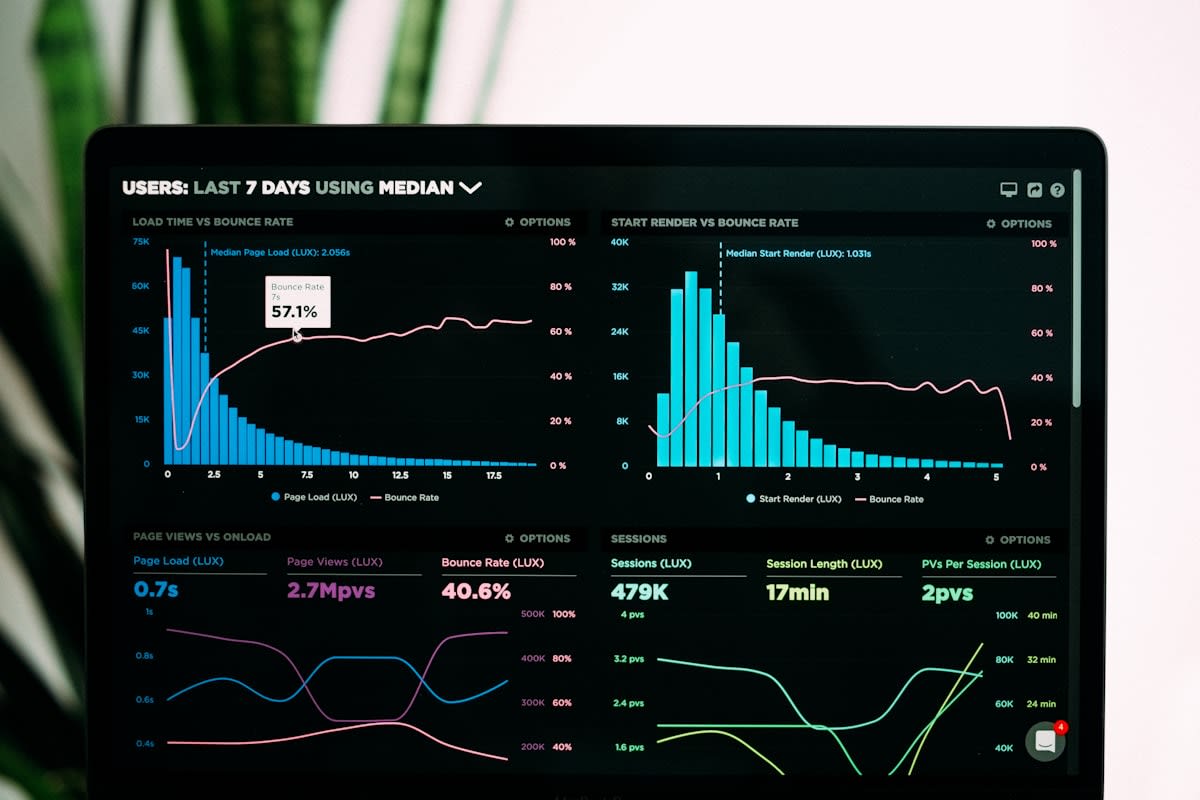
The psychological shift is equally profound. When health is a stream, the patient becomes a co-manager of their own biology. The 'patient' identity—passive, waiting for instructions—is replaced by the 'operator' identity. You are no longer waiting for a yearly verdict; you are adjusting your inputs in real-time to optimize your outputs.
As we refine these tools, the focus is shifting toward the specific markers that actually matter for longevity.
The New Architecture of Prevention
- Glycemic Variability: Moving beyond fasting glucose to see how specific foods trigger insulin spikes.
- Sleep Architecture: Tracking REM and Deep Sleep ratios to predict cognitive decline and burnout.
- Respiratory Rate: Using nocturnal breathing patterns as an early warning system for cardiovascular stress.
- Continuous Temperature: Identifying sub-clinical inflammation before symptoms appear.
The goal is no longer the absence of disease, but the optimization of function. This is the core of the biotelemetry revolution. By tracking the delta—the change from a user's own baseline—rather than comparing them to a generic population average, we achieve true personalized medicine. A heart rate of 60 bpm might be normal for the average person, but if it is a 15 bpm jump from your personal baseline, it is a signal of stress or illness.
Adoption of Clinical-Grade Wearables (Estimated % of Health-Conscious Adults)
Executive Insight
+18.4%
YTD Growth
We are witnessing the end of the 'once-a-year' health check. The annual physical will survive, but only as a ceremonial check-in or a deep-dive physical examination that complements the digital stream. The real work of medicine is moving to the background, happening in the silent exchange of data between a sensor on your wrist and a server in the cloud.
The transition is inevitable. The efficiency gains are too high and the clinical outcomes too promising to ignore. As we integrate more biomarkers—perhaps eventually moving to implanted biosensors that monitor hormones and proteins in real-time—the 'snapshot' will look as primitive as a handwritten medical chart from the 1950s.