Sai Krishna’s alleged custodial death case: More details stumble out
Source Entity
India Latest News: Top National Headlines Today & Breaking News | The Hindu
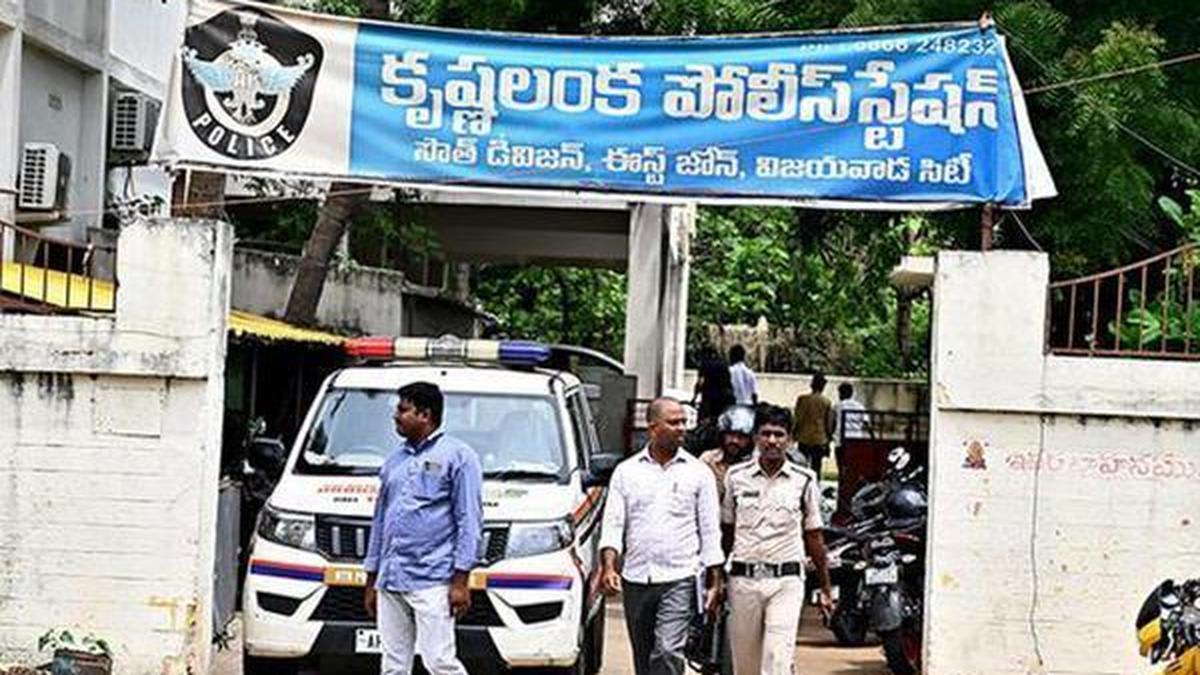
The SIT investigating Gade Sai Krishna's custodial death has arrested six suspects, revealing details of his interrogation and subsequent death. Evidence suggests police officials conspired to destroy remains to cover up the incident.
The Investigation into Gade Sai Krishna’s Custodial Death
The investigation into the alleged custodial death of Gade Sai Krishna has reached a critical juncture as the Special Investigation Team (SIT) intensifies its probe. The case, centered on the Krishnalanka police station, has seen the arrest of six individuals thus far, shedding light on a chilling sequence of events that began with the victim’s detention in early May 2026. The arrest of Gulivindala Suresh, identified as Accused No. 4 and a close associate of the then-Circle Inspector, marks a significant breakthrough in unraveling the chain of command and complicity involved.
The Sequence of Custody and Alleged Torture
According to findings presented by the SIT, the ordeal began on May 5, 2026, when task force officers picked up Sai Krishna in Markapuram. The victim was reportedly sought in connection with two non-bailable warrants. The narrative provided by the accused, specifically Gulivindala Suresh, confirms that Sai Krishna was subjected to interrogation at the Krishnalanka police station. The confession highlights a transition from official police custody to a private residence in Ranigari Thota, where the victim allegedly succumbed to his injuries on May 12, 2026.
Destruction of Evidence and Institutional Complicity
Perhaps the most damning aspect of this investigation is the alleged attempt to systematically erase evidence of the crime. The SIT reports that the then-Circle Inspector, S.S.V.V. Nagaraju (Accused No. 1), in collaboration with head constables Ashok Kumar and Nani, took direct action to hide the death. By allegedly cremating the body, these officers sought to bypass forensic scrutiny, an act that points to a profound breach of law enforcement ethics and a deliberate obstruction of justice.
Broader Implications for Law Enforcement
This case underscores the persistent and urgent challenges regarding custodial safety in India. When those tasked with upholding the law are accused of orchestrating a cover-up involving the destruction of a body, it erodes public trust in the entire judicial and policing framework. The involvement of a Circle Inspector and his subordinates suggests a top-down culture of impunity that the SIT is now tasked with dismantling through rigorous forensic and testimonial evidence.
Future Trends and Accountability
As the SIT continues its work, the focus will likely shift toward the administrative failures that allowed such actions to occur within the NTR Commissionerate. The legal proceedings against the six arrested individuals will serve as a litmus test for the accountability mechanisms currently in place. Future reforms may need to prioritize more stringent oversight of task force operations and non-bailable warrant executions to ensure that the rights of detainees are protected against extra-judicial abuses.
Conclusion
The death of Gade Sai Krishna is a sobering reminder of the dangers posed by unchecked power. With the SIT now in possession of confessions regarding the location of the victim and the subsequent disposal of his remains, the path to prosecution seems clearer. Justice in this matter is not only essential for the victim’s family but is a prerequisite for restoring the integrity of the regional police force.
Verification Required?