
Neurons are the new silicon. 3,333 real archive-prompt pairs now drive biological intervention models (Source: arXiv, 2026). This volume of data allows for the offline learning of prompt-conditioned interventions across cells, organoids, and biobots. The move toward controlling biology with language marks a change in how researchers interact with living systems. Instead of trial and error, they use a VLM judge to score archive points and optimize behavior in synthetic living machines (Source: arXiv, 2026).
The Rise of Living Data Centers
Singapore is currently hosting a Biological Data Center Prototype. This facility is the result of a partnership between the Yong Loo Lin School of Medicine (NUS Medicine), DayOne, and Cortical Labs (Source: The Health Care Blog, 2026). The core of this operation is the CL1 biological computing system, which replaces traditional silicon with living human neurons grown from stem cells. This hardware is designed to function as a sustainability-aligned alternative to power-hungry server farms. The goal is to apply this biological memory to drug discovery, humanoid robotics, and fraud detection (Source: The Health Care Blog, 2026).
"By growing living human neurons from stem cells and pairing them with rigorous engineering, we’re not only building a more efficient alternative to silicon; we’re creating a platform that can help us understand learning and adaptation at their biological source."— Professor Rickie Patani, Professor of Neuroscience at NUS Medicine
The advantage of the CL1 system lies in its ability to learn from sparse data. While traditional AI requires massive datasets to find patterns, biological computing adapts as conditions change (Source: The Health Care Blog, 2026). This capability makes it a potent tool for cybersecurity, where threats evolve faster than static models can be updated. The move from research to commercial application is happening now, as the prototype seeks real-world use cases. This change in infrastructure suggests that the future of memory may be organic rather than metallic.
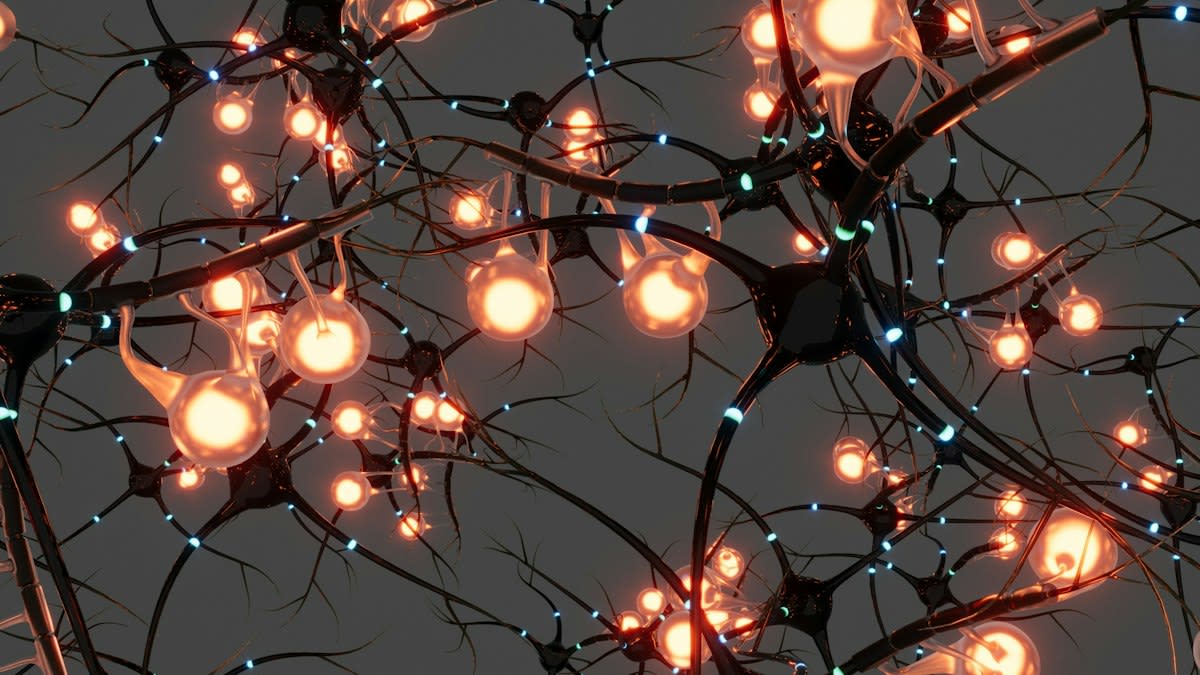
The transition to biological hardware is not without friction. In the zinc-heavy environments of these labs, the reality is far from the clean promises of brochures. Researchers deal with oil-stained monitors and brine-soaked samples while trying to keep stem-cell-derived neurons alive. There is a constant tension between the predictability of a chip and the volatility of a living cell. The debate in these corridors is often about the ownership of the biological memory and the risk of cellular decay.
Genomic Mobility and the BC200 Gene
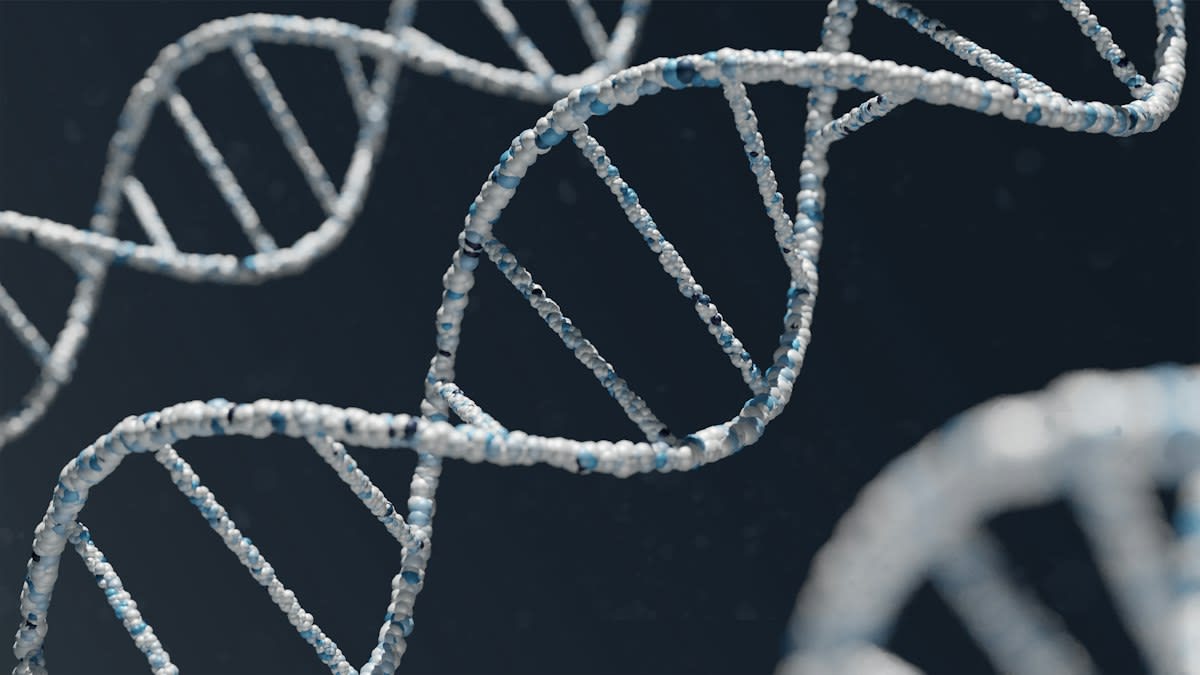
Cornell University has identified a specific genetic element called BC200 that functions as a mobile memory unit (Source: ScienceDaily, 2026). This gene, primarily found in neurons, originates from a transposon—a DNA sequence that can move its position within the genome. This ability allows the gene to merge into new locations, potentially altering the function of other genes. Recent findings show that BC200 has been discovered in a poxvirus that infects human skin cells (Source: ScienceDaily, 2026).
The presence of BC200 in germ cells, including sperm and egg cells, introduces a hereditary component to this genomic mobility (Source: ScienceDaily, 2026). This means that new insertions in the genome can be passed to future generations, creating a living archive of genetic movements. While these transposons can disrupt gene function, they also provide a source of material for new, beneficial functions over evolutionary time. This suggests that the human genome is not a static blueprint but a dynamic database that rewrites itself.
| Feature | Silicon Computing | Biological Computing (CL1) |
|---|---|---|
| Data Requirement | High (Big Data) | Low (Sparse Data) |
| Adaptability | Fixed Logic | Dynamic Adaptation |
| Sustainability | High Energy Consumption | Sustainability-Aligned |
| Primary Material | Silicon/Metal | Human Stem-Cell Neurons |
This biological flexibility is being mirrored by AI efforts to decode the genome. Anthropic recently utilized its Claude AI to sort through vast amounts of biological data to find a new enzyme system (Source: The Atlantic, 2026). However, the discovery has been met with skepticism. A research team at the University of Copenhagen alleged that the results were stolen from their own interactions with the AI (Source: The Atlantic, 2026). This conflict highlights the danger of relying on AI to identify novelty in biological memory.
The controversy surrounding Anthropic's biology lab demonstrates a key failure in current AI-bio interactions. While Claude can process data faster than any human, the actual validity of its findings remains uncertain (Source: The Atlantic, 2026). Scientists like Fyodor Urnov have noted that the jury is still out on whether the identified sequence is even a functional enzyme. This gap between data processing and biological verification is where the most significant risks reside.
The Ancient Archive: Aurochs DNA
Biological memory extends beyond living neurons into the deep past. An international team recently analyzed ancient DNA from aurochs bones found in bogs and settlement sites in southern Sweden and Denmark (Source: Archaeology Mag, 2026). By matching this DNA against climate and human activity records, they identified a genetic bottleneck. The aurochs, which finally died out in Poland in the 17th century, left a genomic trail that reveals a decline spanning 8,000 years (Source: Archaeology Mag, 2026).
This study shows that DNA serves as a permanent, if fragmented, archive of environmental stress and human impact. The aurochs' move from a refuge in Western Europe to Scandinavia is etched into their genetic code. This allows scientists to reconstruct past ecosystems with a precision that fossil records alone cannot provide. The aurochs' extinction is a textbook case of how genetic diversity collapses under pressure (Source: Archaeology Mag, 2026).
Failure Points
- Genomic Instability: The BC200 gene's ability to move through the genome can disrupt essential gene functions, leading to unpredictable mutations (Source: ScienceDaily, 2026).
- AI Hallucinations: AI tools like Claude may identify biological patterns that are either non-functional or plagiarized from previous user interactions (Source: The Atlantic, 2026).
- Biological Decay: The CL1 system relies on living neurons, which are subject to biological death and environmental sensitivity, unlike stable silicon (Source: The Health Care Blog, 2026).
- Data Ownership: The clash between the University of Copenhagen and Anthropic reveals a lack of clear provenance for AI-discovered biological assets (Source: The Atlantic, 2026).
The most pressing failure point is the unpredictability of transposons like BC200. When a gene moves, it does not always land in a safe harbor. If it incorporates into a critical regulatory sequence, the result can be catastrophic for the cell. This biological randomness is the opposite of the precision required for computing. Bridging this gap requires a level of control that current bio-engineering has not yet mastered.
Fact-Check & Accuracy Note
This report is based on data from October 2026. All biological computing claims are attributed to the prototype phase of the CL1 system. Genomic mobility data regarding BC200 is based on Cornell University findings. The conflict regarding AI enzyme discovery is an ongoing dispute between Anthropic and the University of Copenhagen.