Why Mumbai police held back on ECI protests while Delhi cracked down
Source Entity
Shubhangi Khapre
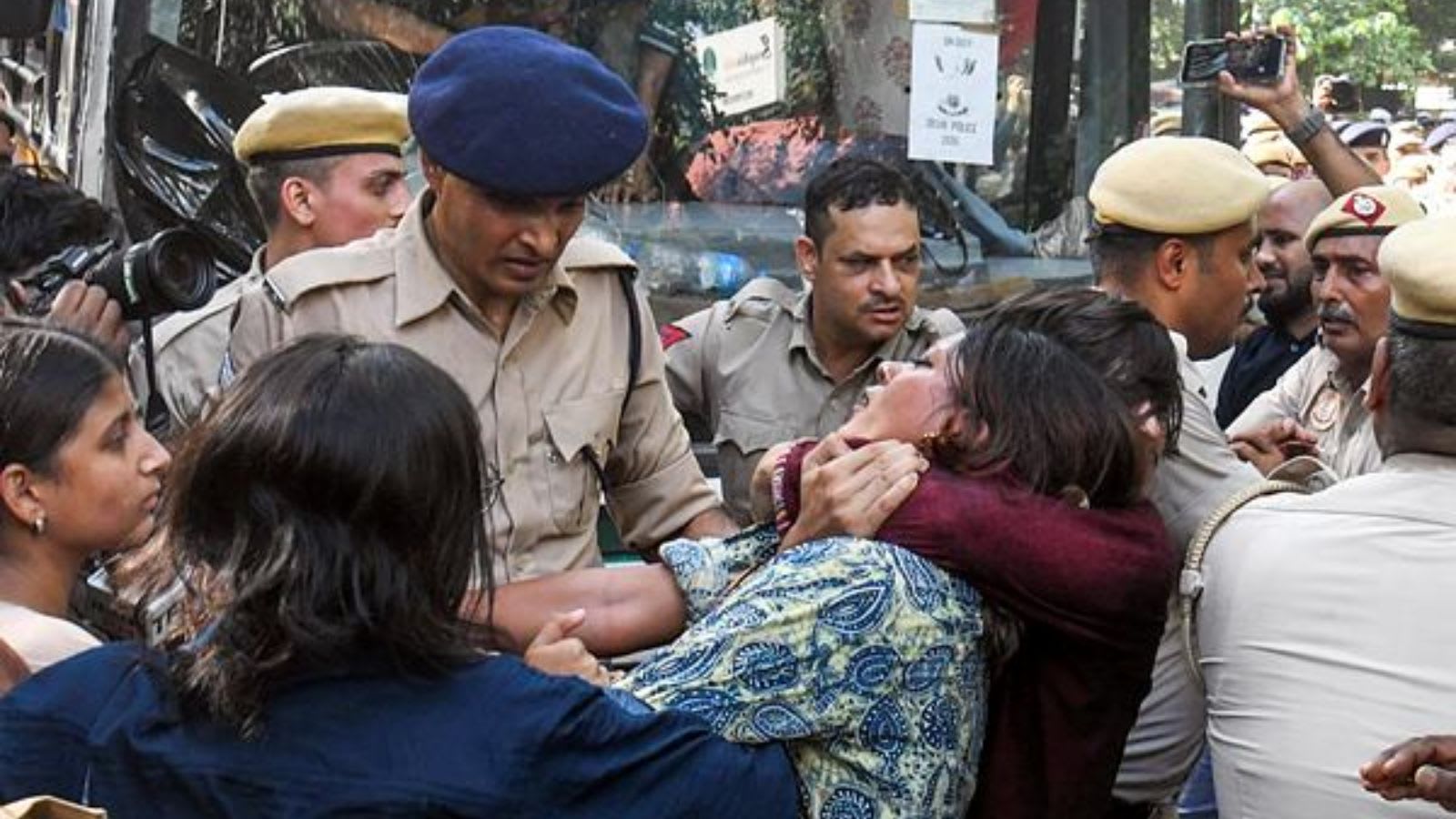
The Cockroach Janta Party (CJP), led by founder Abhijeet Dipke, has launched a nationwide protest demanding the resignation of CEC Gyanesh Kumar. The movement cites alleged irregularities in electoral roll deletions and seeks systemic reforms in the Election Commission's appointment process.
The Rise of the Cockroach Janta Party: A Call for Electoral Accountability
On October 1, 2026, the Cockroach Janta Party (CJP), led by founder Abhijeet Dipke, announced a significant escalation in their political agitation against the Election Commission of India. Addressing a press conference at the Mumbai Press Club, Dipke outlined a nationwide protest strategy—the "Jail Bharo Andolan"—set to commence on October 2 at Mumbai’s Shivaji Park. This movement is a direct response to an investigation into internal rifts within the poll body regarding Special Intensive Revision (SIR) voter deletions, which the CJP claims have disenfranchised a massive segment of the electorate.
Core Demands and the Call for Resignation
The CJP’s agitation is anchored by three primary demands: the immediate resignation of Chief Election Commissioner (CEC) Gyanesh Kumar, the freezing of the 2025 electoral roll, and the establishment of a transparent, independent mechanism for future Election Commissioner appointments that includes civil society participation. Dipke has been vocal in his criticism, labeling the current administration of the poll body as compromised and alleging that the CEC has functioned as an instrument for political interests, specifically targeting the legitimacy of current electoral processes.
Escalation to a Nationwide Movement
The protest, which begins on Gandhi Jayanti in Mumbai, is designed to gain momentum across the country. According to the leadership, the movement will expand to Goa, Bengaluru, and Kolkata, among other key cities, before culminating in a major sit-in at Jantar Mantar in New Delhi. By choosing these strategic urban centers, the CJP aims to mobilize public sentiment against what they perceive as systemic irregularities in voter registration and maintenance, specifically highlighting the controversial deletion of approximately 13 crore entries from the electoral records.
Political Implications and Rhetoric
The rhetoric employed by the CJP leadership reflects a deepening distrust in the independence of constitutional bodies. By directly linking the CEC’s tenure to the political fortunes of Prime Minister Narendra Modi and Home Minister Amit Shah, the CJP is attempting to frame the administrative actions of the Election Commission as a central issue of national political accountability. Dipke has stated that if the demand for CEC Kumar’s resignation is not met, the agitation will widen its scope to seek the resignation of the Prime Minister himself, signaling a direct challenge to the ruling establishment.
The Future of Electoral Transparency
This movement highlights a growing trend of civil society organizations taking a more confrontational stance against state institutions. The demand for an independent appointment process for Election Commissioners is not new, but the intensity of the CJP's "Jail Bharo" approach suggests a shift toward more radical forms of political expression. The outcome of these protests will likely hinge on the CJP's ability to sustain public interest and navigate the potential legal repercussions of their "Jail Bharo" (fill the jails) strategy as they move toward the national capital.
Conclusion
The situation remains fluid as the CJP moves forward with its planned demonstrations. By focusing on the integrity of the 2025 electoral rolls and the transparency of the appointment process, the CJP has positioned itself as a vocal critic of the current electoral administration. Whether this movement will force a shift in the government’s stance or lead to a broader national debate on electoral reform remains to be seen as the protests unfold across India throughout October.
Multiple Citing Sources