Raja Krishnamoorthi, Adam Smith introduce new bills to help immigrant doctors, nurses; here's what they proposed
Source Entity
Latest News: Todays Latest News Headlines from India & World | Hindustan Times | Hindustan Times
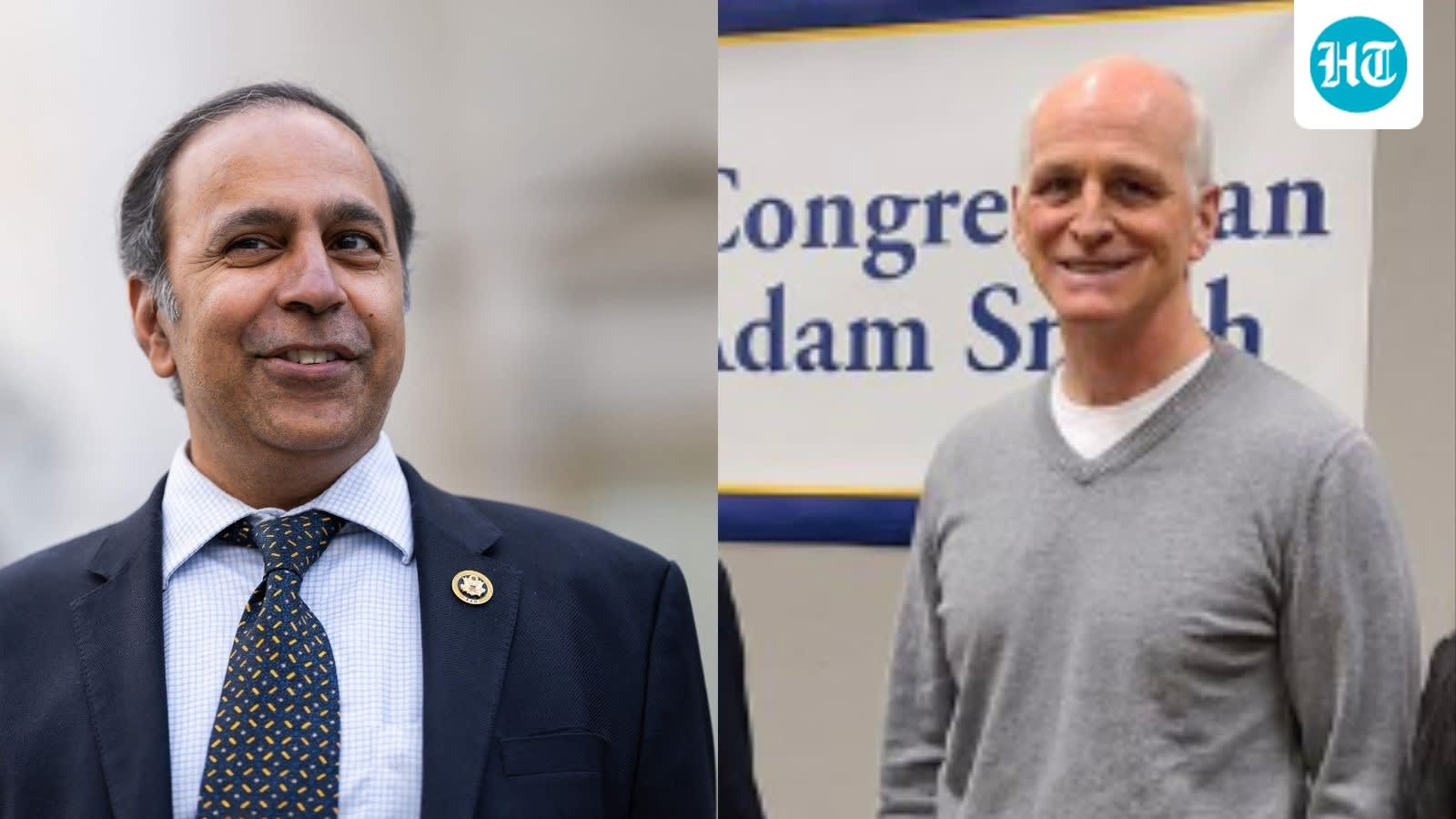
Congressmen Raja Krishnamoorthi and Adam Smith have introduced two legislative bills to help internationally trained healthcare professionals overcome U.S. licensing barriers. The initiative aims to alleviate critical nationwide shortages of doctors and nurses by integrating qualified immigrants into the workforce.
Addressing the U.S. Healthcare Workforce Crisis
On October 1, U.S. Congressmen Raja Krishnamoorthi and Adam Smith introduced a significant legislative package aimed at streamlining the integration of internationally trained healthcare professionals into the American medical system. The two specific bills—the Immigrants in Nursing and Allied Health Act and the Internationally Trained Physicians Assistance Act—are designed to dismantle the complex, often prohibitive licensing and training barriers that currently prevent qualified immigrant clinicians from practicing in the United States.
The Need for Legislative Intervention
The American healthcare system is currently grappling with a severe, long-term workforce shortage that predates the COVID-19 pandemic but was significantly exacerbated by it. As the population ages and the demand for specialized care increases, the existing pool of domestic providers is proving insufficient to meet national health needs. By targeting the bureaucratic hurdles faced by immigrant doctors and nurses, these bills seek to tap into a reservoir of high-skilled talent already present or willing to enter the country, effectively bolstering the nation's medical capacity.
Breaking Down Barriers to Entry
Many internationally trained physicians and nurses face a 'brain waste' phenomenon, where their professional credentials are not recognized by U.S. state licensing boards, forcing them into non-medical roles. The proposed legislation focuses on creating clearer pathways for credential verification and clinical training. By providing structured assistance, the bills aim to harmonize the transition for these professionals, ensuring that their pre-existing expertise can be utilized safely and efficiently within the U.S. healthcare framework.
Philosophical and Economic Implications
Congressman Krishnamoorthi has emphasized that skilled professionals deserve the opportunity to utilize their expertise to care for patients, a sentiment that highlights the dual nature of this legislation: it is both a humanitarian effort to support skilled immigrants and a pragmatic economic strategy to address domestic shortages. By integrating these professionals, the U.S. can potentially reduce wait times for patients and alleviate the burnout currently plaguing domestic healthcare workers who are stretched thin across the country.
Future Trends and Outlook
If passed, these bills could set a precedent for how the United States manages professional migration in the healthcare sector. Future trends suggest that as the global competition for high-skilled medical talent intensifies, countries that offer more accessible pathways for credential recognition will hold a competitive advantage. This legislative move signals a shift toward a more proactive, policy-driven approach to solving systemic workforce deficits through international cooperation and streamlined domestic regulatory processes.
Conclusion
The introduction of these bills represents a critical step toward resolving one of the most pressing infrastructure challenges in the United States. By focusing on the removal of administrative barriers for immigrant healthcare workers, Krishnamoorthi and Smith are addressing both the immediate need for personnel and the long-term sustainability of the American medical system. The success of this legislation will depend on its ability to navigate the complex landscape of state-level licensing requirements and federal immigration policy.
Verification Required?